
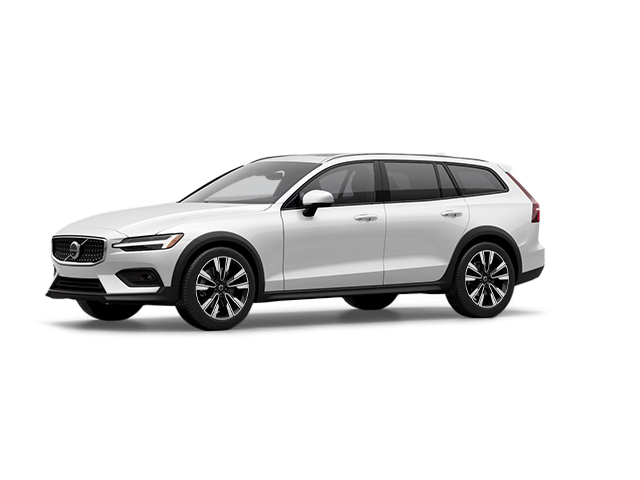
Photo for illustrative purposes only.
Find out moreVolvo Cars Hamilton
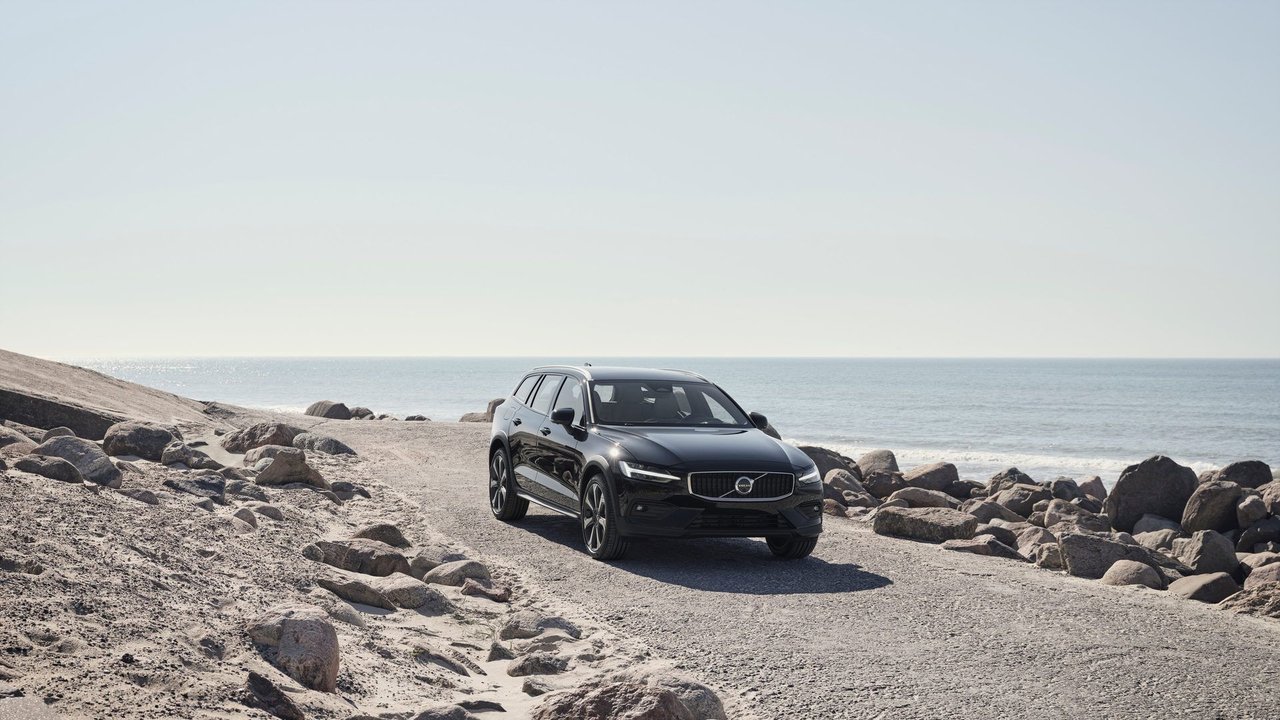
Choosing between two Volvo body styles that share the same engine is a different decision than most shoppers expect. The 2026 V60 Cross Country and XC60 both run the same B5 AWD mild-hybrid powertrain, so the real question for Ontario drivers isn’t which one is faster. It’s which shape fits your daily routine, your parking spot, and your weekend plans.
This comparison walks through where the wagon and the SUV actually differ: ground clearance, cargo shape, front-seat space, and how each rides on a daily commute versus a rougher back road.
|
Spec |
V60 Cross Country (B5 AWD) |
XC60 (B5 AWD) |
|
Engine |
2.0L turbo I4 mild hybrid |
2.0L turbo I4 mild hybrid |
|
Horsepower |
247 hp |
247 hp |
|
Torque |
258 lb-ft |
266 lb-ft |
|
0-100 km/h |
6.9 s |
6.9 s |
|
Ground clearance |
197 mm |
209 mm |
|
Approach / departure / breakover angle |
17.0° / 22.4° / 18.4° |
21.2° / 23.4° / 20.8° |
|
Cargo behind rear seats |
519 L |
483 L |
|
Cargo, seats folded |
888 L |
965 L |
|
Front legroom |
1074 mm |
1055 mm |
|
Rear legroom |
895 mm |
965 mm |
|
Curb weight |
1860 kg |
1883 kg |
Both the V60 Cross Country and XC60 use the same turbocharged 2.0L I4 mild hybrid, paired with an 8-speed automatic and AWD. Output is identical at 247 hp, and both reach 100 km/h in 6.9 seconds.
Torque splits slightly: the XC60 carries 266 lb-ft against the V60 Cross Country’s 258 lb-ft. On the road, that gap won’t change how either one feels day to day. For drivers cross-shopping these two, powertrain is not the deciding factor. Body style is.

The XC60 sits higher, at 209 mm of ground clearance versus 197 mm for the V60 Cross Country. Its approach, departure, and breakover angles are also larger across the board, which matters on a rutted cottage road or an unplowed lot.
For a driver who splits time between paved commutes and rougher gravel routes, that extra clearance and the steeper angles give the XC60 more margin before something underneath makes contact.
The V60 Cross Country’s lower stance works the other way. It settles into a smoother highway ride and slips into tighter parking spots more easily, since there’s less body to manage at low speed.
Cargo capacity doesn’t move in the same direction depending on how you measure it. With the rear seats up, the V60 Cross Country holds 519 L behind the seats, ahead of the XC60’s 483 L. That’s the number that matters for daily errands and grocery runs.
Fold the seats down and the totals flip: the XC60 reaches 965 L versus 888 L for the wagon. For anyone who occasionally hauls something large, like flat-pack furniture, the SUV’s bigger maximum volume and taller tailgate opening make the loading easier.
The wagon’s lower tailgate height and longer floor make it a better fit for bulky but not-too-tall gear, think totes, coolers, or sports equipment loaded low and slid in flat.
Up front, the V60 Cross Country offers 1074 mm of legroom compared to 1055 mm in the XC60, a small but real edge for the driver and front passenger on longer drives.
The back seat tells a different story. The XC60 provides 965 mm of rear legroom against 895 mm in the wagon, which adds up for taller passengers or a growing family needing more knee room in the second row.
Both models offer ventilated Nappa leather upholstery and power lumbar support on higher trims, along with a conventional centre console rather than a floating design. Neither shares the layout found on Volvo’s EX30 or EX90.
On Plus and Ultra trims, both carry Pilot Assist, a 360-degree camera, and BLIS with Cross Traffic Alert. Google built-in puts maps, media, and phone on the home screen, with a contextual bar that surfaces the most relevant app for the situation, including outside camera views at low speed.
Head-up display, four-zone climate, and premium audio upgrades vary by trim in both lineups, so the equipment gap between a base and top trim matters more than the gap between the two body styles.
If your week is mostly pavement, tight parking, and everyday hauling, the V60 Cross Country’s lower stance and larger seats-up cargo space work in your favour. The extra front legroom is a bonus on long highway stretches.
If your routine includes gravel roads, a cottage laneway, or you simply want easier rear-seat access for car seats or taller passengers, the XC60’s higher ground clearance and steeper approach angles change the equation. Its bigger maximum cargo volume also helps when you’re loading something large.
For a family that wants the same B5 AWD performance in either shape, the decision comes down to which trade-off fits your driveway, your commute, and what you carry most often, not which vehicle is quicker or more powerful, because on paper they’re nearly the same.
Both the V60 Cross Country and XC60 run the same B5 AWD mild hybrid powertrain, so the choice between them rests on ground clearance, cargo shape, and cabin space rather than performance. Each body style suits a different kind of Ontario driving.
Visit Volvo Cars Hamilton in Hamilton to sit in both models, compare the cargo areas in person, and find the body style that matches how you actually drive.
Photo for illustrative purposes only.
Find out more
How to Prepare Your Volvo for Fall and Winter
Cooler mornings and shorter days are the first signs that driving conditions are about to change. A little preparation in the fall makes for calm,...
Read more
How to Choose Between the 2026 Volvo XC60 Plug-In Hybrid and the 2027 Volvo EX60
Volvo builds two mid-size SUVs that let you drive on electricity, and each one does it in its own way. The 2026 XC60 T8 plug-in hybrid pairs a gas...
Read more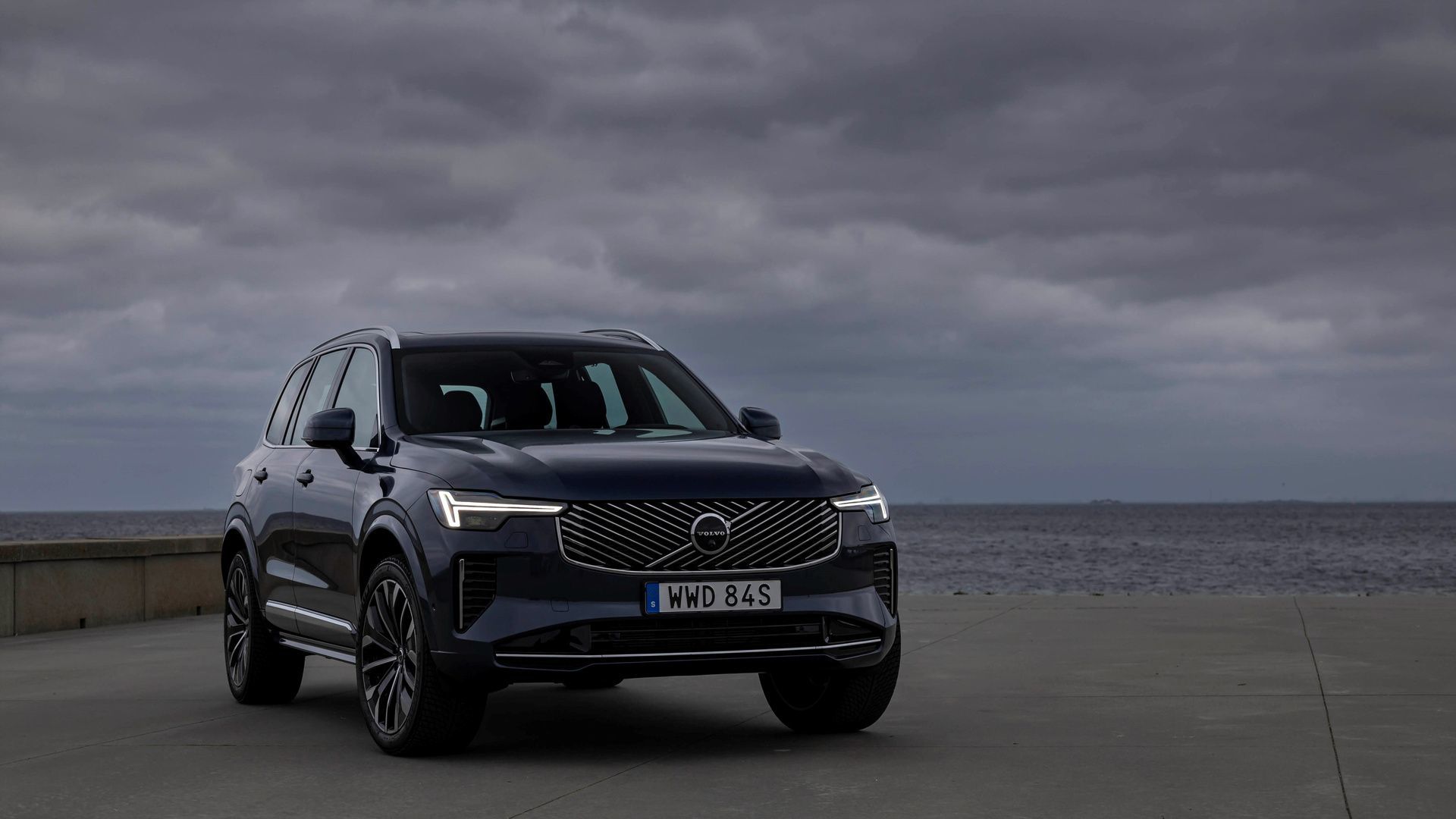
How 2027 Volvo Vehicles Help Prevent and Mitigate Collisions with Large Animals
A deer at the edge of the road at dusk. A moose standing in the middle of a dark highway. Most Canadian drivers have had a close call like this, or...
Read morePowered and developed by
