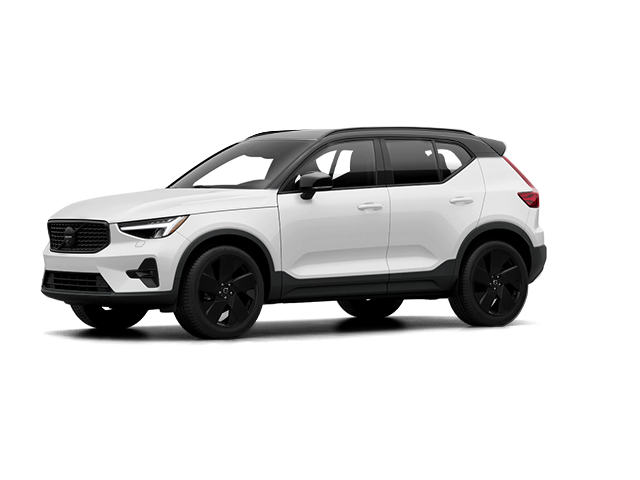
Photo for illustrative purposes only.
Find out moreVolvo Cars Hamilton

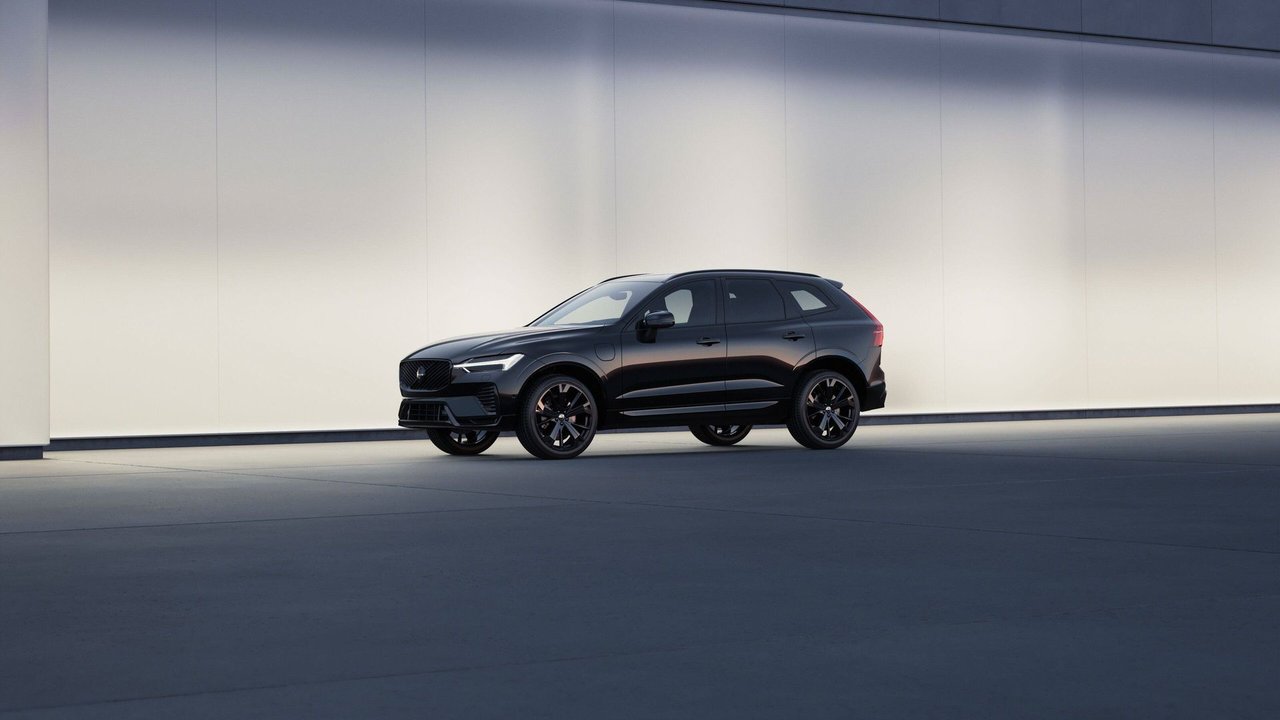
The 2026 Volvo XC40 B5 AWD and XC60 B5 AWD share the same turbocharged 2.0-litre 4-cylinder mild hybrid engine delivering 247 horsepower, identical all-wheel-drive systems, and Volvo's complete suite of safety and technology features. Both vehicles recorded strong sales in Canada during 2025, with the XC60 leading as Volvo's top-selling model at 4,731 units and the XC40 contributing 3,974 units to the brand's record year. Despite this common mechanical foundation, these two SUVs differ significantly in dimensions, interior space, cargo capacity, and driving characteristics.
For drivers in Hamilton and across Ontario, the decision between XC40 and XC60 comes down to size requirements rather than quality or capability differences. Both deliver Scandinavian refinement, Google built-in technology, and Volvo's safety heritage. The choice depends on your parking constraints, family size, cargo needs, and personal preference for compact maneuverability versus mid-size spaciousness.
At a Glance: XC40 B5 vs. XC60 B5
|
Specification |
XC40 B5 AWD |
XC60 B5 AWD |
|---|---|---|
|
Engine |
2.0 L 4-cylinder turbocharged + 48V mild hybrid |
2.0 L 4-cylinder turbocharged + 48V mild hybrid |
|
Horsepower |
247 hp |
247 hp |
|
Torque |
258 lb-ft |
266 lb-ft |
|
0-100 km/h |
6.4 seconds |
6.9 seconds |
|
Fuel Economy (Combined) |
9.1 L/100 km |
9.0 L/100 km |
|
Length |
4,440 mm |
4,708 mm |
|
Wheelbase |
2,702 mm |
2,865 mm |
|
Cargo (seats up) |
569 L |
613 L |
|
Cargo (seats folded) |
1,319 L |
1,410 L |
|
Towing Capacity |
1,600 kg |
1,580 kg |
|
Ground Clearance |
205 mm |
209 mm |
|
Fuel Tank |
54 L |
71 L |
|
Curb Weight |
1,724-1,777 kg |
1,885-1,920 kg |
Size and Maneuverability: The Urban Advantage of the XC40
The XC40 measures 4,440 millimetres in length compared to the XC60's 4,708 millimetres—a difference of 268 millimetres, or approximately 10.5 inches. This dimensional gap affects more than just parking space requirements. The XC40's compact footprint suits downtown Hamilton street parking, residential driveways in older neighborhoods, and the tight parking structures common in shopping centres and office buildings.
Despite the size difference, both vehicles share an identical 11.4-metre curb-to-curb turning circle. This means the XC40 doesn't turn any tighter than the XC60, but its shorter overall length makes it easier to fit into parallel parking spaces and navigate through narrow areas where every centimetre matters.
The XC40's width of 1,863 millimetres (body) versus the XC60's 1,902 millimetres creates less difference in practical terms—both vehicles fit comfortably in standard parking spaces. The more noticeable distinction appears in length when parking in your garage at home or maneuvering in tight urban environments.
For Hamilton drivers who frequently park downtown near City Hall, navigate the Locke Street shopping district, or deal with the parking structures at Lime Ridge Mall, the XC40's more compact dimensions provide daily convenience. The XC60 feels more substantial on Highway 403 or the QEW but requires more conscious attention to parking space length.
Interior Space and Passenger Comfort
Both vehicles offer identical front legroom at 1,040 millimetres, ensuring driver and front passenger comfort regardless of height. The difference emerges in the rear seats, where the XC60 provides 965 millimetres of legroom compared to the XC40's 917 millimetres. This 48-millimetre gap becomes significant for passengers over six feet tall or when installing rear-facing child seats that push front seats forward.
Headroom with the panoramic sunroof measures 955 millimetres front and 974 millimetres rear in the XC40, while the XC60 offers 966 millimetres front and 966 millimetres rear. Neither vehicle feels cramped for headroom, even with taller occupants, though the XC40 provides slightly more rear headroom despite its smaller overall size.
The XC60's longer 2,865-millimetre wheelbase versus the XC40's 2,702-millimetre wheelbase translates to a smoother ride quality on highway drives. The additional wheelbase length allows the suspension to better absorb road irregularities, making the XC60 more comfortable on longer trips between cities or during weekend drives to cottage country north of Hamilton.
Shoulder room and hip room measurements remain similar between both vehicles, with the XC40 offering 1,440 millimetres front shoulder width and 1,429 millimetres rear, while the XC60 provides 1,478 millimetres front and 1,430 millimetres rear. The XC60's slightly wider cabin is perceptible but not dramatic in daily use.
For families with young children, both vehicles accommodate car seats without issue. Families with teenagers or those who regularly transport adult passengers in the rear seats will appreciate the XC60's additional rear legroom, particularly on trips exceeding 30 minutes.
Cargo Capacity and Practical Utility

The XC40 provides 569 litres of cargo space with the rear seats upright, expanding to 1,319 litres with seats folded. The XC60 offers 613 litres with seats up and 1,410 litres with seats folded. The 44-litre difference with seats up represents roughly one large suitcase—enough to be noticeable during weekly grocery shopping or weekend trips, but not dramatically limiting for most daily activities.
With seats folded, the 91-litre cargo volume difference between the two vehicles becomes more significant. This additional space in the XC60 matters when transporting larger items like furniture, sports equipment, or luggage for extended trips. The XC40 handles typical family cargo needs without difficulty, but the XC60 provides extra capacity that proves useful several times per year for most households.
The cargo floor height differs notably between the two models. The XC40's floor sits at 755 millimetres from the ground, while the XC60's cargo floor measures 616 millimetres. This 139-millimetre difference means lifting heavy items into the XC60 requires less effort—bags of salt softener, cases of beverages, or boxes of hardwood flooring all load more easily into the lower cargo area.
Towing capacity remains nearly identical: 1,600 kilograms for the XC40 and 1,580 kilograms for the XC60. Both vehicles handle small trailers, lightweight boats, or utility trailers without issue. The minimal difference in towing ratings means this specification doesn't drive the decision between models.
Both SUVs include a power tailgate that opens and closes via the key fob or buttons on the tailgate and dashboard. The tailgate can be programmed to open to a specific height, useful for low-clearance garages or parkades.
Performance and Driving Characteristics
The XC40 accelerates from 0 to 100 km/h in 6.4 seconds, while the XC60 requires 6.9 seconds for the same sprint. This half-second difference results from the XC40's lighter weight—1,724 to 1,777 kilograms compared to the XC60's 1,885 to 1,920 kilograms. Despite identical 247-horsepower engines, the XC40 feels more responsive during city driving and highway merging.
The slight torque advantage of the XC60's engine (266 lb-ft versus 258 lb-ft in the XC40) doesn't overcome the weight difference in acceleration testing, though both vehicles provide adequate power for all normal driving situations. The 48-volt mild hybrid system in both models recovers energy during braking and stores it in a small lithium-ion battery, then uses that energy to assist the engine during acceleration and smooth the stop-start system operation.
Fuel economy differs by a negligible margin: 9.1 L/100 km combined for the XC40 versus 9.0 L/100 km for the XC60. This single-decimal difference translates to approximately the same fuel costs over a year of typical driving. City fuel economy sits at 10.1 L/100 km for the XC40 and 10.0 L/100 km for the XC60, while highway consumption measures 7.8 L/100 km for both vehicles.
The XC40's lighter weight and shorter wheelbase create a more agile feeling in urban driving. Quick direction changes, tight parking lot navigation, and city street maneuvering all feel slightly more nimble in the XC40. The XC60 counters with better highway stability and a more planted feel at higher speeds on the QEW or Highway 6 heading toward Guelph.
Ground clearance measures 205 millimetres for the XC40 and 209 millimetres for the XC60—both provide adequate clearance for winter driving in Ontario, including unplowed parking lots and snow-covered driveways. The all-wheel-drive system in both vehicles operates identically, distributing power between front and rear wheels based on traction conditions.
Technology and Safety Features
Core technology remains identical between XC40 B5 and XC60 B5 variants. Both include Google built-in, integrating Google Maps navigation with real-time traffic updates, Google Assistant voice control, and Google Play for in-vehicle app installation. The Digital Services Package provides four years of included data connectivity from the retail delivery date.
Pilot Assist adaptive cruise control with lane-centering assistance comes standard on both models, as do blind spot information system with steering assist, cross-traffic alert with autobrake, lane keeping aid, and collision avoidance with automatic emergency braking. The safety equipment and driver assistance technology don't differ between the two vehicles—Volvo applies its safety philosophy consistently across the SUV lineup.
The XC60 received an updated 11.2-inch central touchscreen for the 2026 model year, featuring 21 percent higher pixel density than previous displays and running the new Volvo UX interface. The XC40 continues with its existing 9-inch display and interface. This represents the most significant technology difference between the two vehicles, though both systems provide the same core functionality and Google integration.
Optional equipment availability varies by trim level rather than base model. Head-up displays, premium audio systems from Harman Kardon or Bowers & Wilkins, ventilated front seats, and advanced air suspension options can be specified on higher trim levels of both vehicles, though specific package configurations differ between XC40 and XC60 trims.
Which SUV Fits Your Driving Life?
The decision between XC40 and XC60 depends on your specific circumstances rather than one vehicle being objectively better than the other. Consider these factors based on your daily driving patterns and household needs.
Choose the XC40 if your driving life centers on urban and suburban Hamilton, where parking space limitations appear regularly. If your household consists of two to four people with no regular need for maximum rear seat legroom, the XC40 provides everything you need in a more manageable size. Drivers who value nimble handling and easier maneuverability in tight parking lots will prefer the XC40's compact dimensions. The same Volvo safety systems, Google built-in technology, and turbocharged mild hybrid powertrain come in a package that fits standard garages and tight driveways without requiring careful measurement.
Choose the XC60 if you regularly transport adult passengers or older teenagers who need the extra 48 millimetres of rear legroom for comfortable travel. The XC60 suits drivers who take frequent highway trips where the longer wheelbase improves ride comfort and the larger fuel tank extends range between fill-ups. If you prioritize maximum cargo space for road trips, cottage visits, or large purchases from home improvement stores, the XC60's additional 91 litres with seats folded becomes useful several times per year. The more substantial road presence and planted highway stability appeal to drivers who value that character. You'll need adequate parking space both at home and at regular destinations, but if space isn't a constraint, the XC60 provides more room without sacrificing efficiency or technology.
Neither choice means compromising on Scandinavian build quality, comprehensive safety systems, or the efficiency of Volvo's electrified powertrain technology. The decision comes down to size requirements and personal preferences for vehicle character.
Making Your Decision at Volvo Cars Hamilton
Test driving both vehicles provides clarity that specifications alone cannot deliver. Sit in the driver's seat of each SUV and adjust the seat to your preferred position, then move to the rear seat to experience the legroom difference firsthand. Load your typical cargo—whether weekly groceries, sports equipment, or luggage—into each vehicle's cargo area to see which capacity suits your needs.
Drive both the XC40 and XC60 on your regular routes through Hamilton. Navigate the parking situation at your workplace or frequent shopping destinations. Take both vehicles on Highway 403 to experience the difference in highway stability and ride quality. The answer to which SUV fits your life better becomes clear when you experience both in the conditions you face daily.
Visit our sales team at Volvo Cars Hamilton in Hamilton to compare the XC40 and XC60 side-by-side and determine which model best suits your driving needs.
Photo for illustrative purposes only.
Find out more
How to Prepare Your Volvo for Fall and Winter
Cooler mornings and shorter days are the first signs that driving conditions are about to change. A little preparation in the fall makes for calm,...
Read more
How to Choose Between the 2026 Volvo XC60 Plug-In Hybrid and the 2027 Volvo EX60
Volvo builds two mid-size SUVs that let you drive on electricity, and each one does it in its own way. The 2026 XC60 T8 plug-in hybrid pairs a gas...
Read more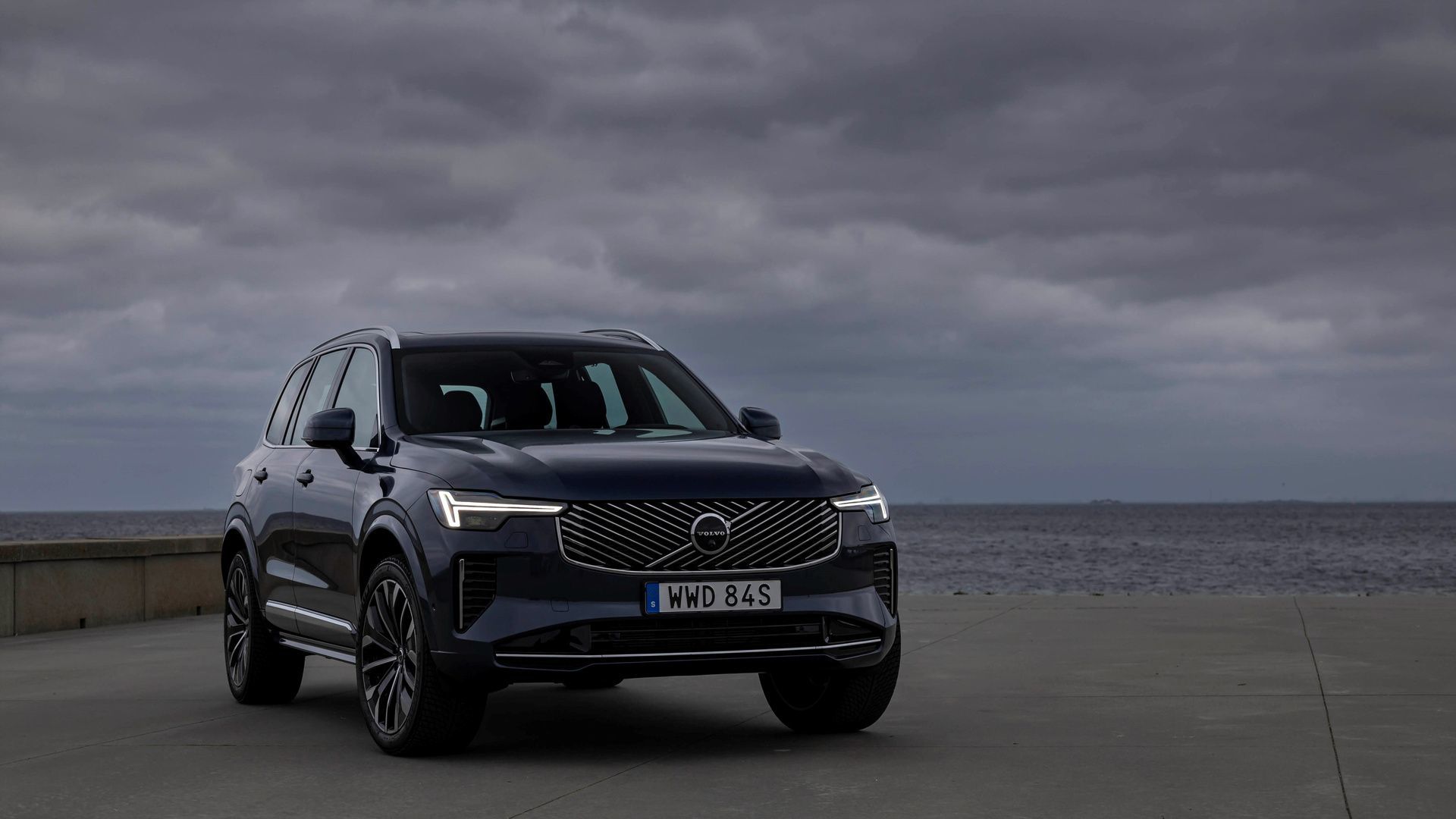
How 2027 Volvo Vehicles Help Prevent and Mitigate Collisions with Large Animals
A deer at the edge of the road at dusk. A moose standing in the middle of a dark highway. Most Canadian drivers have had a close call like this, or...
Read morePowered and developed by
