Photo for illustrative purposes only.
Find out moreVolvo Cars Hamilton

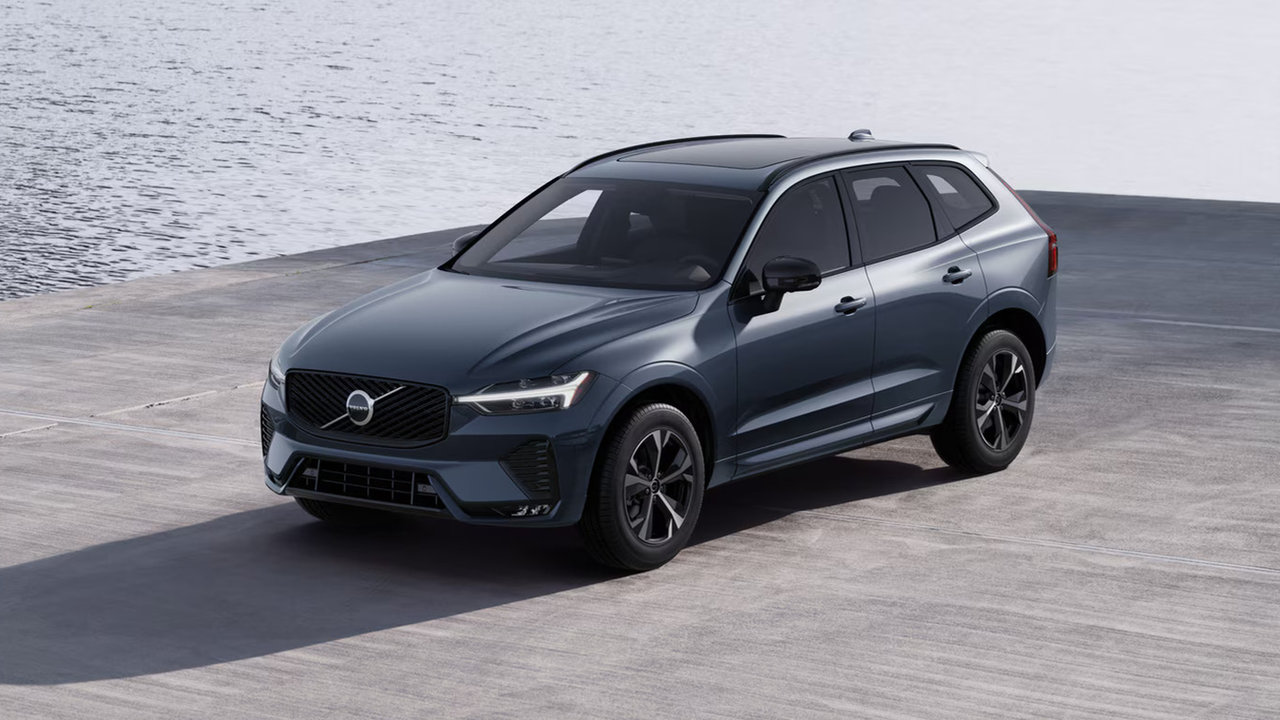
Volvo's two most popular SUVs in Canada share a design philosophy, a technology platform, and even some powertrain options — but they serve different households. The XC60 is a five-seat compact luxury SUV built for daily driving efficiency, while the XC90 is a seven-seat midsize luxury SUV designed for families who need a third row and heavier towing. Both received notable technology upgrades for 2026, including a new 11.2-inch touchscreen display and the refreshed Volvo Car UX infotainment system.
For families in Hamilton deciding between the two, the question is less about which vehicle is "better" and more about which one matches the way you actually use a car — on weekday commutes along the LINC, weekend trips to cottage country, and everything in between.
At a Glance: XC60 vs. XC90
|
Specification |
2026 XC60 B5 AWD |
2026 XC60 T8 PHEV |
2026 XC90 B6 AWD |
2026 XC90 T8 PHEV |
|---|---|---|---|---|
|
Engine |
2.0 L turbo 4-cyl., 48V MHEV |
2.0 L turbo 4-cyl., PHEV |
2.0 L turbo + supercharged 4-cyl., 48V MHEV |
2.0 L turbo 4-cyl., PHEV |
|
Horsepower |
247 hp |
455 hp |
295 hp |
455 hp |
|
Torque |
258 lb-ft |
523 lb-ft |
310 lb-ft |
523 lb-ft |
|
0–100 km/h |
6.9 sec |
4.8 sec |
6.7 sec |
5.3 sec |
|
Fuel economy (combined) |
9.0 L/100 km |
3.5 Le/100 km |
10.4 L/100 km |
3.8 Le/100 km |
|
Electric range (PHEV) |
— |
58 km |
— |
53 km |
|
Seating |
5 |
5 |
6 or 7 |
6 or 7 |
|
Cargo (seats up) |
468–483 L |
468–483 L |
262–302 L (3rd row up) |
262–302 L (3rd row up) |
|
Cargo (max, seats folded) |
1,395–1,410 L |
1,395–1,410 L |
1,816–1,856 L |
1,816–1,856 L |
|
Max braked towing |
1,580 kg |
1,580 kg |
900 kg |
900 kg |
|
Length |
4,708 mm |
4,708 mm |
4,953 mm |
4,953 mm |
|
Ground clearance |
200–209 mm |
200–209 mm |
223 mm |
223 mm |
Powertrain Options and Efficiency

Both the XC60 and XC90 offer two powertrain choices. The entry-level mild-hybrid option pairs a 2.0-litre turbocharged 4-cylinder engine with a 48-volt starter-generator that recovers braking energy to reduce fuel use. In the XC60, this B5 configuration produces 247 horsepower and 258 lb-ft of torque, returning 9.0 L/100 km combined. The XC90's B6 variant adds a supercharger to the same displacement, raising output to 295 horsepower and 310 lb-ft of torque, with combined fuel consumption of 10.4 L/100 km.
For drivers who want plug-in capability, both models offer the T8 Recharge powertrain. This configuration pairs the turbocharged engine with an electric motor and a lithium-ion battery, producing a combined 455 horsepower and 523 lb-ft of torque across both SUVs. The XC60 T8 delivers up to 58 km of pure electric range, while the XC90 T8 provides up to 53 km. For Hamilton commuters who travel 30 to 40 km each way into the city core or along the QEW to Burlington, either PHEV can handle the daily commute on electric power alone and switch to gasoline for longer weekend drives.
Interior Space and Third-Row Practicality
This is where the decision becomes most straightforward. The XC60 seats five and offers 468 to 483 litres of cargo space behind the second row, expanding to 1,395 to 1,410 litres with the rear seats folded. For a family of four with sports equipment, groceries, and the occasional IKEA run, the XC60 handles the job without excess.
The XC90 adds a third row, bringing total seating capacity to six or seven depending on the second-row configuration. With all three rows in use, cargo space drops to 262 to 302 litres — enough for a few bags but not much more. Fold the third row flat and you get 640 to 680 litres; fold both the second and third rows and maximum cargo volume reaches 1,816 to 1,856 litres.
The third row in the XC90 is sized for children and shorter passengers, with 923 mm of headroom and 811 mm of legroom. It is not a substitute for a full-size three-row vehicle, but it provides practical flexibility for carpooling, grandparents visiting, or families with three children who need individual seats.
Technology and the 2026 Digital Upgrade
Both the XC60 and XC90 received the same core technology upgrades for 2026, making the digital experience consistent regardless of which model you choose.
The centrepiece is a new free-standing 11.2-inch touchscreen display with 21 percent higher pixel density than the previous 9-inch unit. Powered by the latest Snapdragon Cockpit Platform, the screen is faster and more responsive. The updated Volvo Car UX — rolled out via over-the-air update starting March 2026 — puts the most-used apps (maps, media, phone) on the home screen and introduces a contextual bar that adapts based on driving speed and recent activity.
Google built-in is standard on both models, with Google Maps, Google Assistant, and Google Play included. Apple CarPlay is also standard. Both vehicles are also in line to receive the Google Gemini AI assistant, planned for Canadian availability later in 2026, which will bring natural-language voice interaction to models dating back to 2020.
Interior material choices differ by model. The 2026 XC60 introduces sustainable options like Quilted Nordico and Navy Herringbone Weave, while the XC90 expands its Ultra package with ventilated Nappa leather, a head-up display, and the 1,400-watt Bowers & Wilkins premium sound system.
Towing and Ground Clearance
If you plan to tow, the XC60 has a higher rated braked towing capacity at 1,580 kg — enough for a small boat or enclosed utility trailer. The XC90's braked towing capacity is lower at 900 kg, which limits it to lighter loads such as a cargo trailer or a small watercraft.
Ground clearance favours the XC90, which sits at 223 mm in its standard suspension configuration (up to 252 mm with optional air suspension). The XC60 sits at 200 to 209 mm depending on powertrain. Both are capable on gravel cottage roads and through Hamilton's winter conditions, but the XC90 provides a bit more clearance for deeper ruts or unplowed surfaces.
Which Model Is Right for You?
The decision between the XC60 and XC90 comes down to two primary factors: how many passengers you carry regularly and how much cargo you need on a typical day.
If your household has four or fewer people, the XC60 provides the right amount of space without the extra length and fuel consumption of a larger vehicle. Its higher towing capacity is a bonus for families who pull a small trailer. The T8 PHEV variant is particularly well-suited for Hamilton commuters who can charge at home overnight and drive electrically for most daily trips.
If you regularly carry five or more passengers — or if the flexibility of a fold-flat third row matters for your weekend routine — the XC90 is the right fit. Its additional length and cabin volume make it the natural choice for larger families, and the T8 Recharge powertrain keeps the daily commute in EV mode.
Both models share the same safety architecture, the same 2026 infotainment upgrades, and the same build quality. The choice is about fit, not compromise.
Experience Both at Volvo Cars Hamilton
The most effective way to decide between the XC60 and XC90 is to drive them back-to-back. The team at Volvo Cars Hamilton in Hamilton can walk you through the powertrain options, demonstrate the new 11.2-inch display, and help you determine which size and configuration works for your family. Book your test drive today.
Photo for illustrative purposes only.
Find out more
The First Details About the Extended-Range 2028 Volvo XC60 and XC90 PHEVs
Volvo has stretched the electric range on two of its plug-in hybrid SUVs, and both the XC60 and XC90 now share the same updated powertrain...
Read more
Natural Resources Canada Increases Its Range Rating for the 2027 Volvo EX60 to 531 km
Range numbers matter when you are thinking about going electric, and the Volvo EX60 just picked up some good news on that front. Natural Resources...
Read more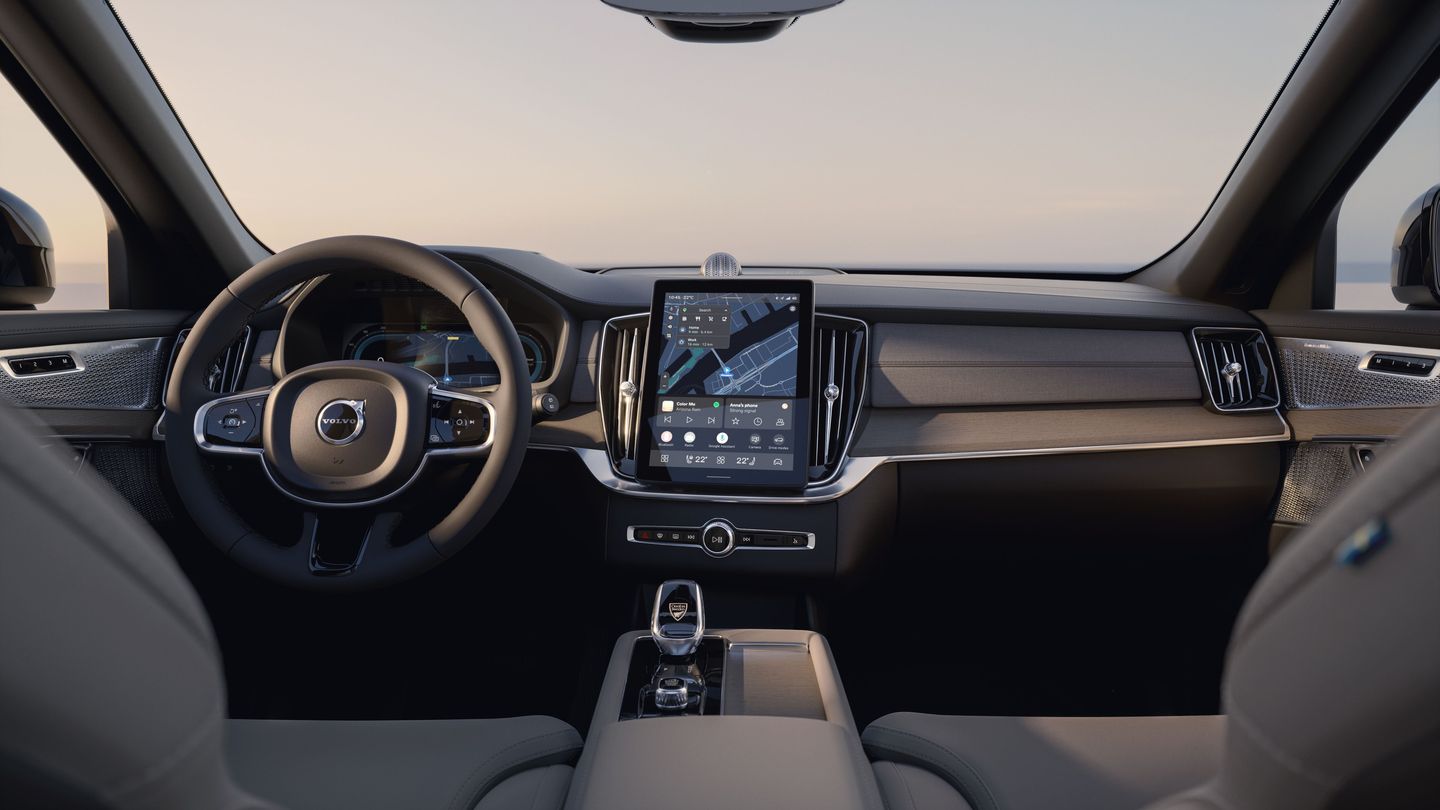
What Can the Volvo Cars App Do for You?
If you drive a Volvo, there is a good chance you have seen the Volvo Cars app on your phone but never dug into everything it can do. It is built to...
Read morePowered and developed by
