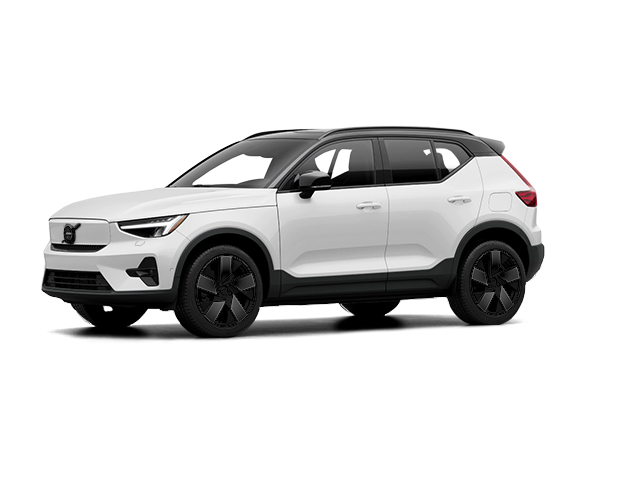
Photo for illustrative purposes only.
Find out moreVolvo Cars Hamilton

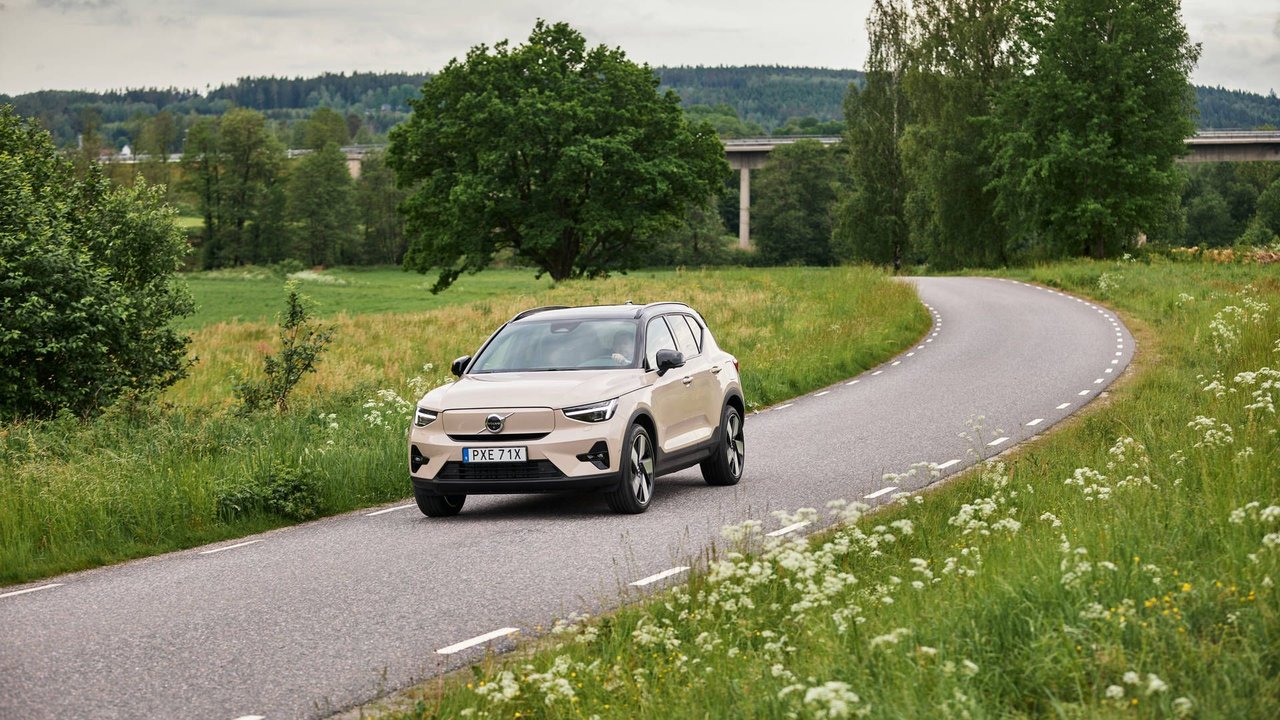
Choosing a fully electric vehicle in Ontario raises a specific set of questions that don't always get answered in a product brochure. How far can it actually drive in January? Can a standard home electrical panel handle overnight charging? Where do you charge on a road trip from Hamilton to Ottawa? The 2026 Volvo EX40 is designed to answer each of these questions, and the details hold up well under scrutiny.
The EX40 is a compact electric SUV available in two configurations: a single-motor rear-wheel-drive model with 476 km of EPA-rated range, and a twin-motor all-wheel-drive model with 418 km of range and 402 horsepower. For Ontario drivers evaluating whether an EV fits their daily pattern — and their four-season climate — the EX40 provides both the range and the drivetrain to make the case.
Range by the Numbers: What the EPA Figures Mean in Practice
The 2026 EX40 Single Motor Extended Range carries an 82-kWh battery (79 kWh usable) and delivers an EPA-rated range of 476 km. The Twin Motor AWD variant uses the same battery but splits power between two electric motors, which increases performance and traction at the cost of some efficiency — 418 km of rated range.
In real-world Ontario driving, range varies with temperature, speed, and heating use. Cold weather reduces battery efficiency, and drivers in Hamilton should expect winter range to drop by roughly 20 to 30 percent on the coldest days. Even at the lower end, a winter-adjusted range of approximately 290 to 335 km from the Twin Motor variant covers the vast majority of daily driving patterns — including a round-trip commute from Hamilton to downtown Toronto (approximately 140 km) with capacity to spare.
The EX40's energy consumption figures reinforce its efficiency. The Single Motor variant consumes 2.2 kWh/100 km combined (EPA), while the Twin Motor sits at 2.5 kWh/100 km — figures that keep operating costs well below those of a gasoline-powered SUV in the same size class.
Charging at Home: What Hamilton Homeowners Need to Know
Most EV charging happens at home, overnight, while the vehicle is parked. The EX40 supports Level 1 charging (a standard 120V household outlet) and Level 2 charging (a 240V dedicated circuit, the same type used for a dryer or oven).
On a Level 1 outlet, charging is slow — practical only as a backup. A Level 2 setup is the standard recommendation. At 48 amps on a 240V circuit, the EX40 charges from near-empty to full in approximately 8 hours. At 32 amps, that extends to roughly 13 hours. At 16 amps, it takes approximately 25 hours. For most Hamilton homeowners, a 48-amp or 32-amp Level 2 charger installed in the garage provides a full battery every morning with time to spare.
Installation of a Level 2 home charger typically requires a licensed electrician and costs between $1,000 and $2,500 depending on the panel capacity and the distance from the panel to the charging location. Homes built before 1980 may need a panel upgrade, which adds to the cost. It is worth confirming panel capacity before purchasing.
|
Charging Method |
Amperage |
Approximate Charge Time (10%–100%) |
|---|---|---|
|
Level 1 (120V) |
12A |
40+ hours |
|
Level 2 (240V) |
16A |
~25 hours |
|
Level 2 (240V) |
32A |
~13 hours |
|
Level 2 (240V) |
48A |
~8 hours |
|
DC Fast Charge (200 kW) |
— |
~28 minutes (10%–80%) |
DC Fast Charging and the NACS Adapter

For road trips and longer drives, the EX40 supports DC fast charging at up to 200 kW. At that rate, a 10-to-80-percent charge takes approximately 28 minutes — enough time for a coffee stop on the 401 between Hamilton and Kingston.
A major development for 2026 is Volvo's rollout of the NACS (North American Charging Standard) adapter, which gives EX40 owners access to over 18,000 Tesla Supercharger stations across Canada and the United States. This effectively expands the available fast-charging network far beyond the CCS stations that the EX40 natively uses. For Hamilton drivers heading to Muskoka, Ottawa, or the Maritimes, the Supercharger network fills coverage gaps that previously made long-distance EV travel less predictable.
The adapter is a practical addition. Tesla Superchargers are widely regarded as the most reliable public charging network in North America, and access to them removes one of the most common concerns Ontario buyers raise about EV ownership.
AWD and Cold-Weather Driving in Ontario
The EX40 Twin Motor variant sends power to all four wheels through two independent electric motors — one on the front axle (110 kW) and one on the rear (190 kW). Electric all-wheel-drive systems respond faster than mechanical AWD systems because there is no transfer case or driveshaft to engage. Torque is distributed electronically, which means traction adjustments happen in milliseconds rather than fractions of a second.
For Hamilton drivers who navigate snowy intersections on the Mountain, icy stretches of Highway 6, or slush-covered parking lots through the winter months, this kind of instant torque delivery adds a layer of confidence that is difficult to replicate with a traditional powertrain.
The EX40 also sits at 175 mm of ground clearance — lower than a traditional crossover but sufficient for Ontario road conditions, including unpaved cottage roads and the occasional snowbank-lined street. A 450 mm wading depth provides additional assurance during spring thaw flooding.
Interior Space and Daily Practicality
The EX40 measures 4,440 mm in length — comparable to many compact SUVs — and provides a wheelbase of 2,702 mm that translates to reasonable rear-seat legroom (917 mm) for adult passengers. The cargo area holds 578 litres behind the second row and expands to 1,328 litres with the seats folded. A 21-litre frunk provides additional storage for charging cables or small items.
Google built-in is standard, with Google Maps, Google Assistant, and Google Play integrated directly into the infotainment system. Apple CarPlay is also included. The vehicle is eligible for the Google Gemini AI assistant update, planned for Canadian delivery later in 2026.
Safety features include Pilot Assist for semi-automated highway driving, blind spot information (BLIS), cross traffic alert with autobrake, and a full suite of collision avoidance technologies.
Which EX40 Configuration Is Right for You?
The choice between the Single Motor and Twin Motor variants depends on priorities. The Single Motor ER delivers longer range (476 vs. 418 km) and lower energy consumption, making it the better choice for drivers who prioritize efficiency and do most of their driving on paved roads. The Twin Motor adds all-wheel drive, 402 horsepower, and a 4.8-second 0-to-100-km/h time, making it the stronger fit for Ontario's winter conditions and drivers who value confident acceleration.
Both variants share the same battery, the same interior, and the same technology package. The decision comes down to range versus traction — and in Ontario, where winters are long and roads are unpredictable, many buyers will find that AWD is worth the trade-off.
Experience the EX40 at Volvo Cars Hamilton
The EX40 is a vehicle that answers the practical questions of EV ownership in Ontario with specific, verifiable numbers. If you are evaluating whether an electric SUV fits your driving pattern, the team at Volvo Cars Hamilton in Hamilton can walk you through the charging options, demonstrate the AWD system, and help you compare the Single Motor and Twin Motor variants side by side. Book your test drive today.
Photo for illustrative purposes only.
Find out more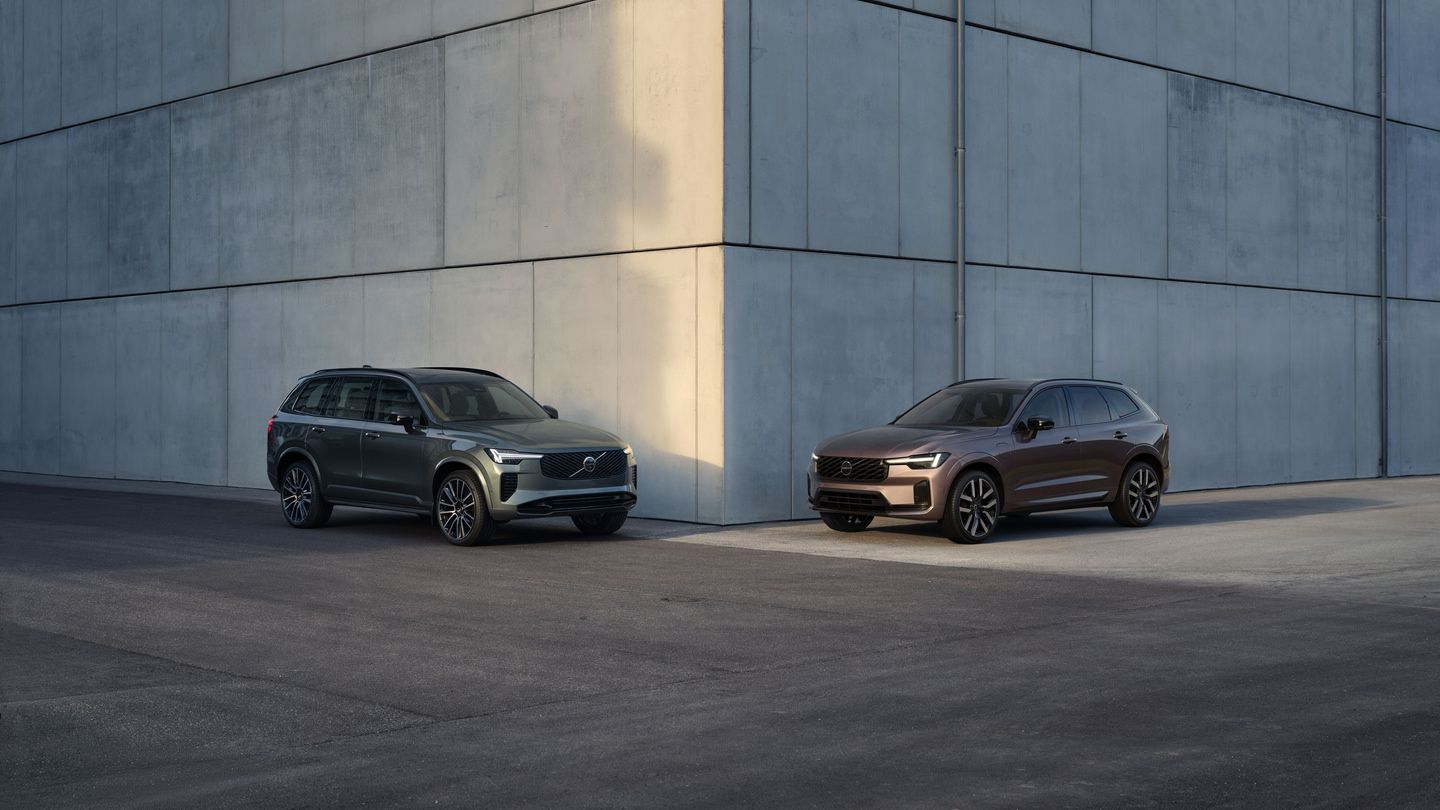
The First Details About the Extended-Range 2028 Volvo XC60 and XC90 PHEVs
Volvo has stretched the electric range on two of its plug-in hybrid SUVs, and both the XC60 and XC90 now share the same updated powertrain...
Read more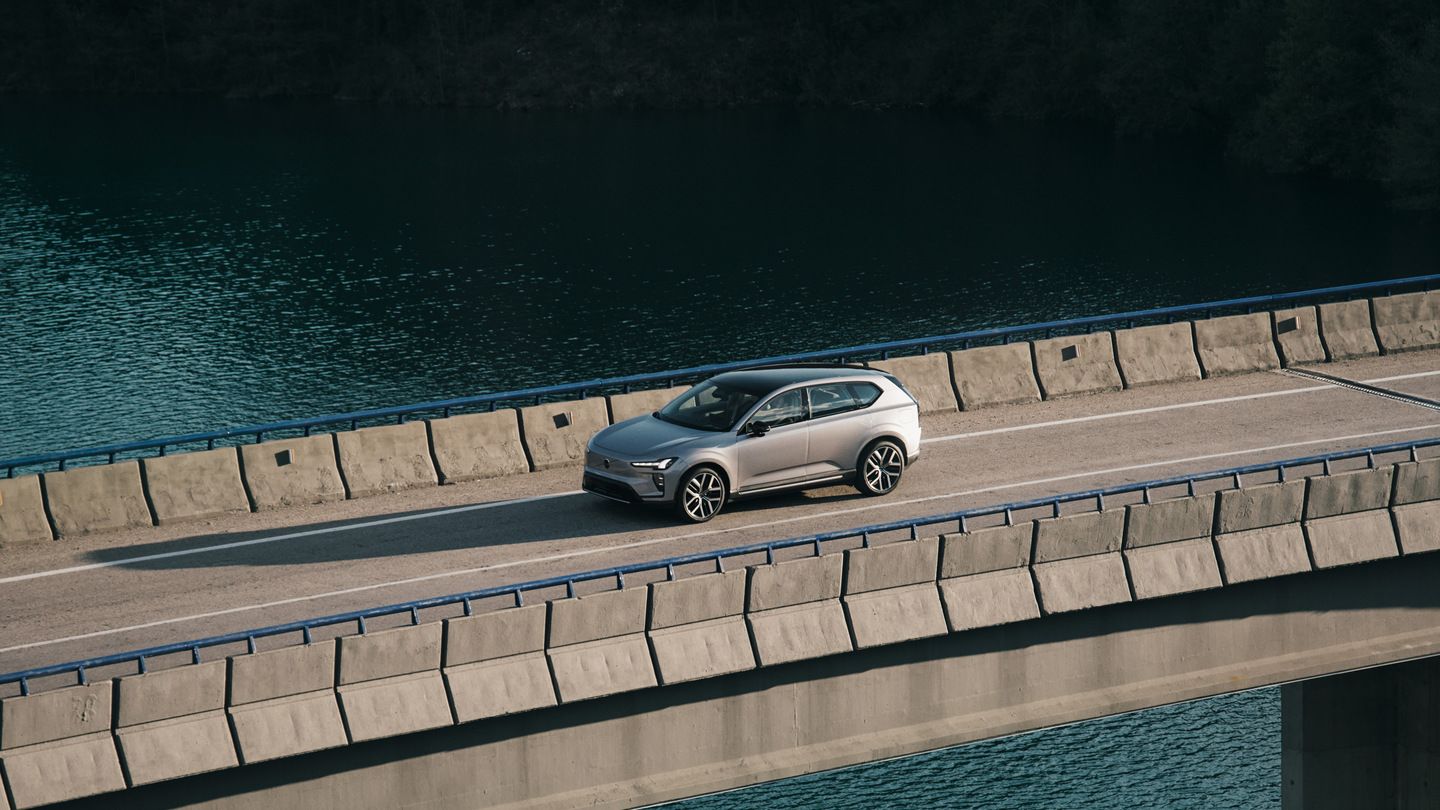
Natural Resources Canada Increases Its Range Rating for the 2027 Volvo EX60 to 531 km
Range numbers matter when you are thinking about going electric, and the Volvo EX60 just picked up some good news on that front. Natural Resources...
Read more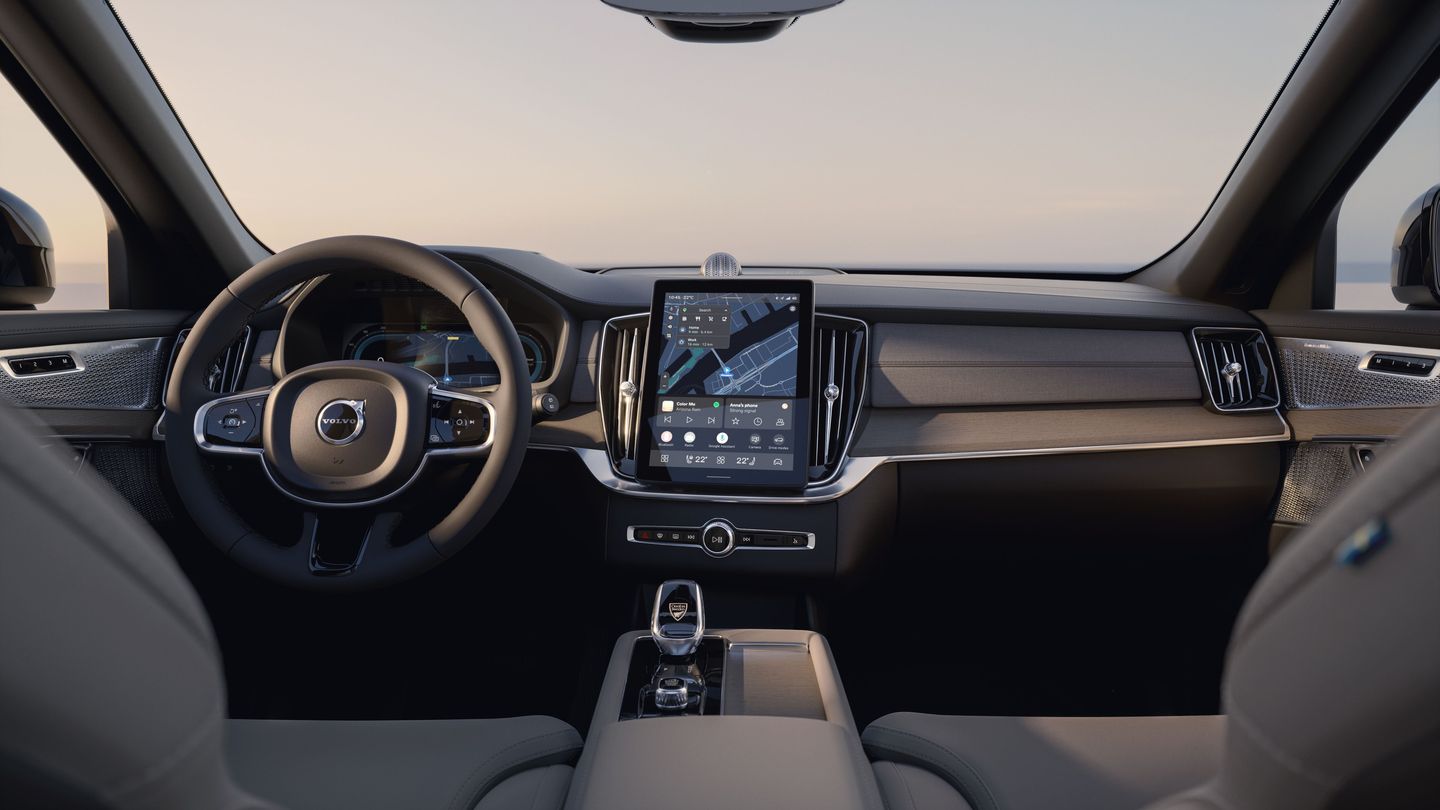
What Can the Volvo Cars App Do for You?
If you drive a Volvo, there is a good chance you have seen the Volvo Cars app on your phone but never dug into everything it can do. It is built to...
Read morePowered and developed by
