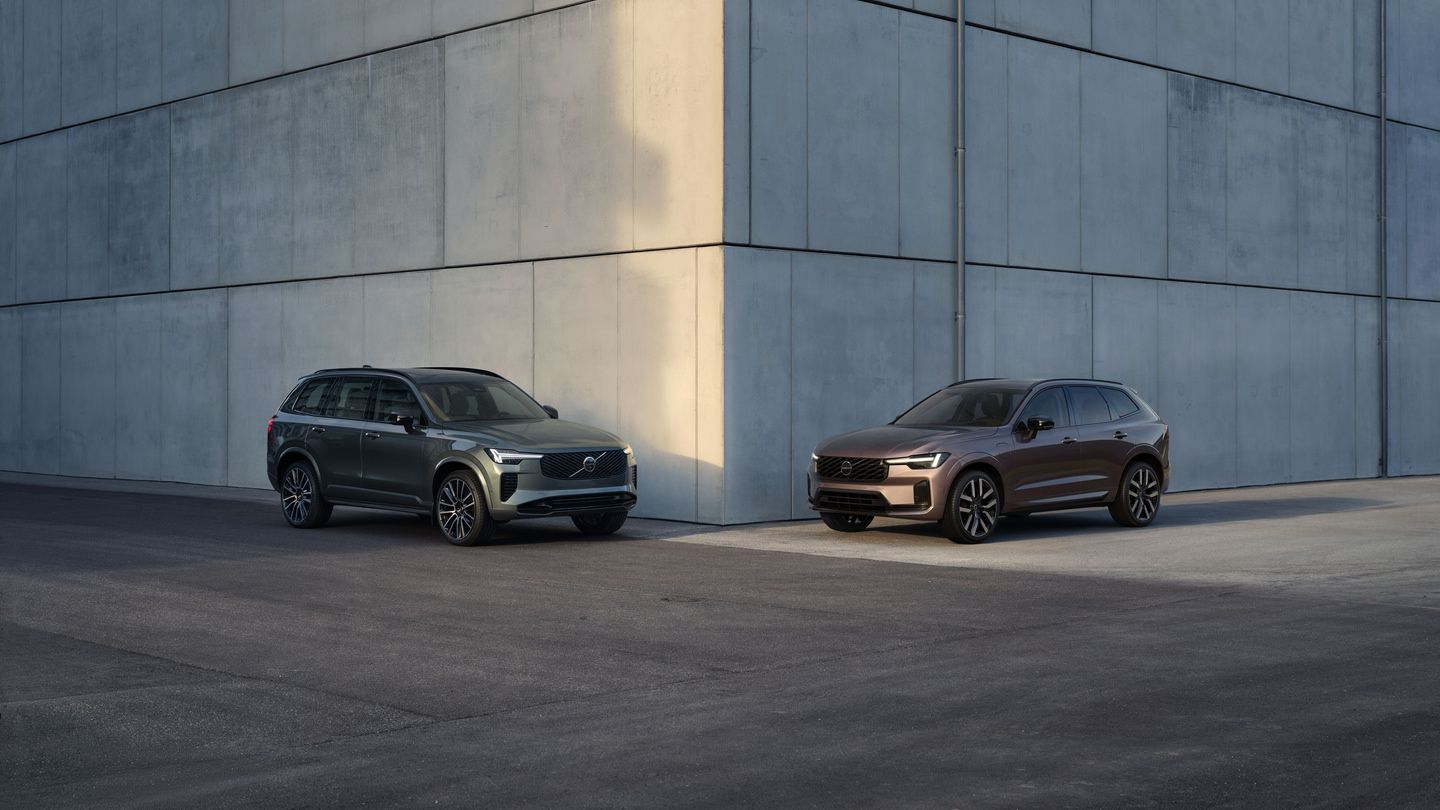
The First Details About the Extended-Range 2028 Volvo XC60 and XC90 PHEVs
Volvo has stretched the electric range on two of its plug-in hybrid SUVs, and both the XC60 and XC90 now share the same updated powertrain...
Read moreVolvo Cars Hamilton

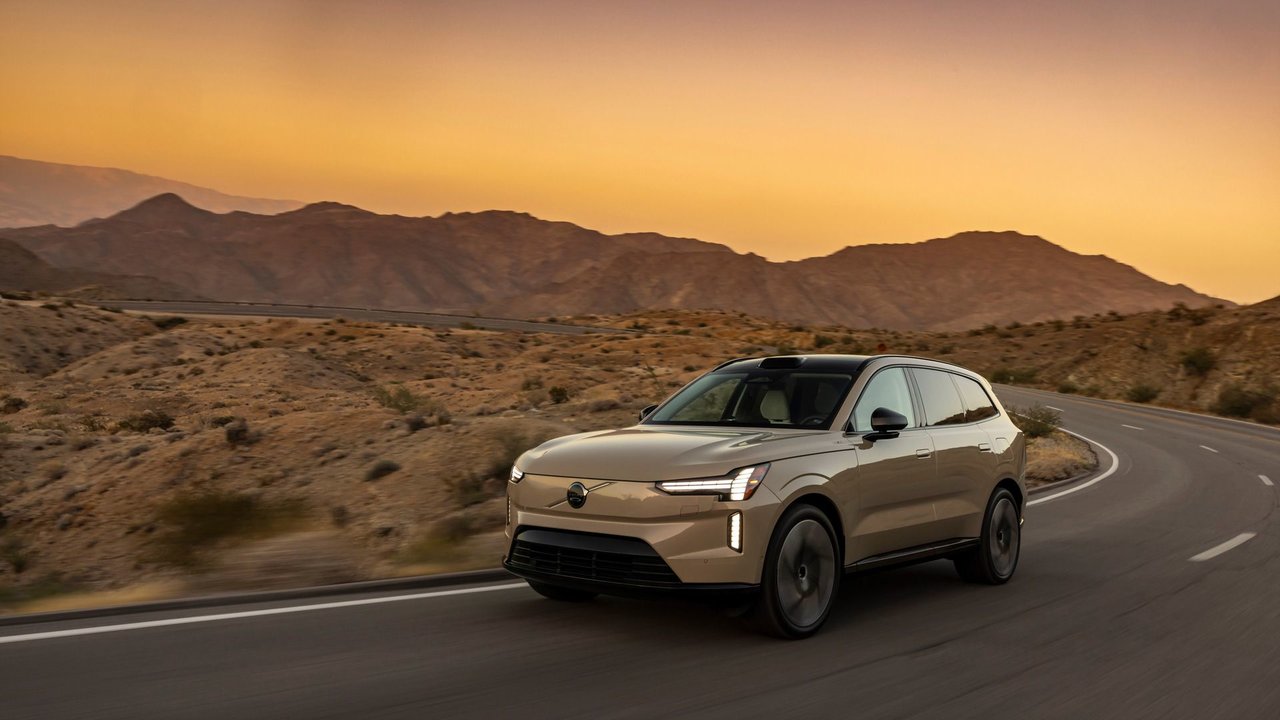
The 2025 Volvo EX90 represents Volvo's first fully electric seven-seat SUV, combining a 111 kWh battery pack with dual electric motors to deliver extended range and substantial power output. For Ontario families considering the transition to electric vehicles, the EX90 provides seating capacity and cargo space comparable to the conventional XC90 while eliminating tailpipe emissions entirely.
This flagship electric SUV introduces advanced sensor technology including lidar, designed to support enhanced safety systems and future driver assistance capabilities. The EX90's architecture places it at the forefront of Volvo's electrification strategy, offering families a fully electric alternative to traditional seven-seat SUVs.
Electric Powertrain: Twin Motor Configuration
The EX90 uses two permanent magnet synchronous motors—one mounted at the front axle and one at the rear—creating an electric all-wheel drive system.
Power Output and Performance
The Twin Motor Performance variant produces 510 horsepower (241.4 hp front + 268.2 hp rear) and 671 lb-ft of torque (490 Nm + 420 Nm). This output enables acceleration from 0-100 km/h in 4.9 seconds, making the EX90 among the quickest vehicles Volvo produces.
Top speed limits electronically to 180 km/h, consistent with Volvo's broader speed limitation policy. The dual-motor configuration allows torque vectoring between front and rear axles, optimizing traction on varying road surfaces common in Ontario's seasonal conditions.
Battery Capacity and Chemistry
The 111 kWh battery pack (107 kWh usable capacity) uses lithium-ion cell chemistry optimized for energy density and charging speed. Volvo positions the battery low in the vehicle floor, maintaining a low centre of gravity that benefits handling dynamics while preserving interior space.
The battery management system monitors cell temperatures and charge levels, adjusting cooling and power distribution to maintain optimal operating conditions during extreme cold or heat. This thermal management becomes particularly relevant during Ontario winters, when battery performance typically degrades in unmanaged systems.
Driving Range and Efficiency
EPA-rated range varies based on wheel selection:
|
Wheel Size |
Estimated Range |
|---|---|
|
21-inch wheels |
495 km |
|
20-inch or 22-inch wheels |
476 km |
The 19 km difference between wheel sizes results from the aerodynamic and rolling resistance effects of larger diameter wheels. Families prioritizing maximum range should consider the 21-inch wheel option, while those preferring the visual impact of larger wheels accept the modest range reduction.
Real-world range varies based on:
Ontario drivers should expect range reductions of 20-30 percent during winter months, when cabin heating and cold battery temperatures increase energy consumption.
Charging Capabilities
The EX90 supports DC fast charging up to 250 kW, enabling rapid charging sessions at compatible public charging stations.
Charging Times
DC Fast Charging (250 kW):
AC Level 2 Charging (various amperages):
Most EX90 owners install Level 2 charging stations at home, typically using 32-amp or 48-amp connections. These installations provide overnight charging that fully replenishes the battery during off-peak electricity hours, when Ontario's time-of-use rates offer lower costs.
Dimensions and Interior Space
The EX90's exterior dimensions position it as Volvo's largest SUV, exceeding even the XC90 in overall size.
Exterior Measurements
The 2,985 mm wheelbase creates substantial interior space across all three seating rows. Ground clearance of 216 mm provides adequate clearance for rough roads and deep snow while maintaining a manageable step-in height.
Seating Configurations
Available in both six-seat and seven-seat configurations, the EX90 offers flexibility for different family sizes:
Seven-seat configuration: Three rows with 2-3-2 seating arrangement Six-seat configuration: Second-row captain's chairs for easier third-row access
Interior Room Measurements
|
Row |
Legroom |
Headroom |
Shoulder Width |
|---|---|---|---|
|
First |
1,039 mm |
1,075 mm |
1,475 mm |
|
Second |
926 mm |
1,056 mm |
1,467 mm |
|
Third |
811 mm |
909 mm |
1,186 mm |
The third row provides adequate space for children and shorter adults on trips of moderate duration. Second-row legroom of 926 mm accommodates adult passengers comfortably for extended journeys.
Cargo Capacity
Cargo volume varies significantly based on seating position and configuration.
Seven-Seat Configuration
Six-Seat Configuration
The reduction in maximum cargo volume for the six-seat variant results from the centre console extending between the second-row captain's chairs. Families who frequently carry large cargo loads should consider the seven-seat configuration for its additional 139 litres of maximum capacity.
Additional under-floor storage provides 72 litres of separate compartments for charging cables, emergency equipment, and smaller items. A front trunk (frunk) adds 49 litres of weather-protected storage for items that benefit from separation from the main cargo area.
Lidar and Sensor Array
The EX90 introduces lidar technology to Volvo's sensor suite, supplementing the camera and radar systems used in previous models.
Sensor Configuration
The lidar unit, supplied by Luminar, uses laser pulses to create detailed three-dimensional maps of the environment surrounding the vehicle. This technology detects objects at distances exceeding camera and radar capabilities, providing earlier warnings and more precise object classification.
Safety Applications

The sensor array feeds data to the core computing system, which processes inputs to support:
The computing architecture uses NVIDIA DRIVE platforms (Xavier and Orin processors) to handle the substantial data processing requirements of lidar-based systems.
Core Computing and Software Updates
Unlike traditional vehicles with distributed electronic control units, the EX90 centralizes computing power in a core system that manages most vehicle functions. This architecture enables over-the-air software updates that can add features, improve existing functionality, and address issues without requiring dealership visits.
Volvo delivers software updates through the vehicle's cellular connection, installing them when the vehicle is parked. Updates can enhance:
Interior Technology and Displays
The EX90's interior features a 14.5-inch central touchscreen running Google built-in services. This display handles climate control, media functions, vehicle settings, and navigation through Google Maps.
A second 9-inch touchscreen provides front passenger entertainment and information access. The digital driver display shows speed, range, navigation instructions, and driver assistance status.
Google Integration
Volvo includes four years of included data service covering all navigation, voice assistance, and application requirements.
Climate Control and Air Quality
The four-zone climate system allows independent temperature settings for driver, front passenger, and both sides of the second row. Heated and ventilated front seats provide comfort across seasonal temperature extremes.
An advanced air quality system filters incoming air, removing up to 95 percent of PM 2.5 particulates. The system includes a pollen filter and monitors external air quality, increasing filtration when needed. Through the Volvo Cars app, drivers can activate remote cabin pre-cleaning to cycle fresh air through the interior before entry.
Audio System
The EX90 offers the Bowers & Wilkins High Fidelity audio system featuring:
The system integrates speakers into headrests, doors, dashboard, and roof lining to create three-dimensional sound imaging for all seating positions.
Weight and Towing
Curb weight ranges from 2,733 kg to 2,748 kg depending on seating configuration (six vs. seven seats). This substantial weight results from the 111 kWh battery pack and seven-seat structure.
Maximum towing capacity reaches 2,200 kg when properly equipped, sufficient for boat trailers, camping trailers, and utility trailers. The electric powertrain provides ample torque for confident towing, though range decreases significantly when pulling heavy loads.
Charging Infrastructure Considerations
Success with the EX90 depends partly on access to appropriate charging infrastructure.
Home Charging Requirements
Most EX90 owners install Level 2 charging stations at home. Installation requires:
Home charging costs approximately $1,500-$3,000 installed, depending on distance from electrical panel and local labour rates.
Public Charging Network
Ontario's public charging network includes:
Planning longer trips requires identifying charging station locations along routes and accounting for charging time in journey planning.
Key Specifications Summary
|
Specification |
Value |
|---|---|
|
Battery capacity |
111 kWh (107 kWh usable) |
|
Motors |
Dual permanent magnet |
|
Total power |
510 hp |
|
Total torque |
671 lb-ft |
|
0-100 km/h |
4.9 seconds |
|
Range (21" wheels) |
495 km |
|
DC fast charging |
250 kW (10-80% in ~30 min) |
|
Seating capacity |
6 or 7 passengers |
|
Cargo (max) |
1,288 L (7-seat) |
|
Towing capacity |
2,200 kg |
Learn More at Volvo Cars Hamilton
The 2025 Volvo EX90 extends Volvo's electric vehicle lineup to families requiring seven-seat capacity. Visit Volvo Cars Hamilton to explore the EX90's interior space, understand the lidar sensor system, and discuss charging infrastructure requirements for your specific driving patterns in the Hamilton area. Our team can explain how the EX90's electric range integrates into typical family schedules and weekend travel throughout Ontario.
The First Details About the Extended-Range 2028 Volvo XC60 and XC90 PHEVs
Volvo has stretched the electric range on two of its plug-in hybrid SUVs, and both the XC60 and XC90 now share the same updated powertrain...
Read more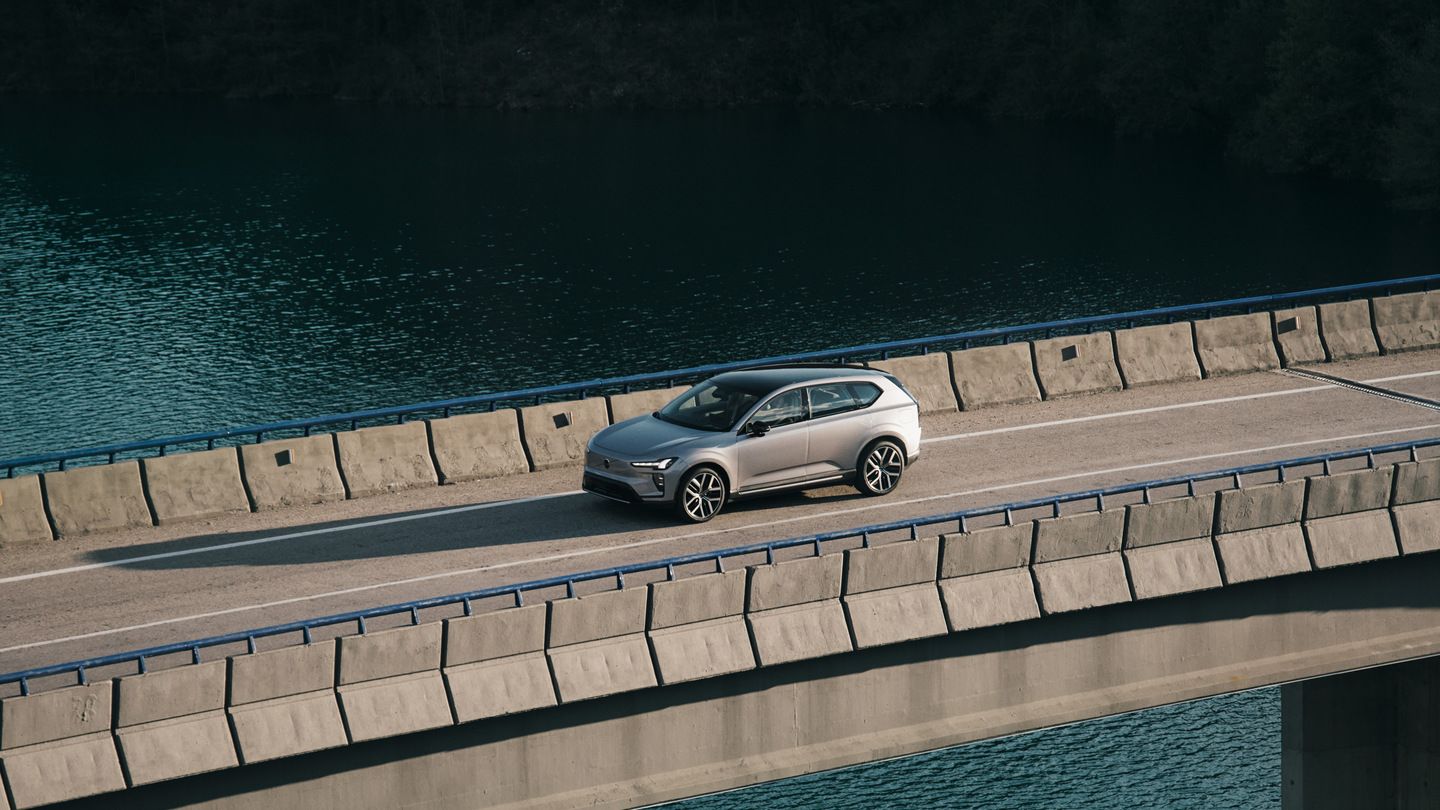
Natural Resources Canada Increases Its Range Rating for the 2027 Volvo EX60 to 531 km
Range numbers matter when you are thinking about going electric, and the Volvo EX60 just picked up some good news on that front. Natural Resources...
Read more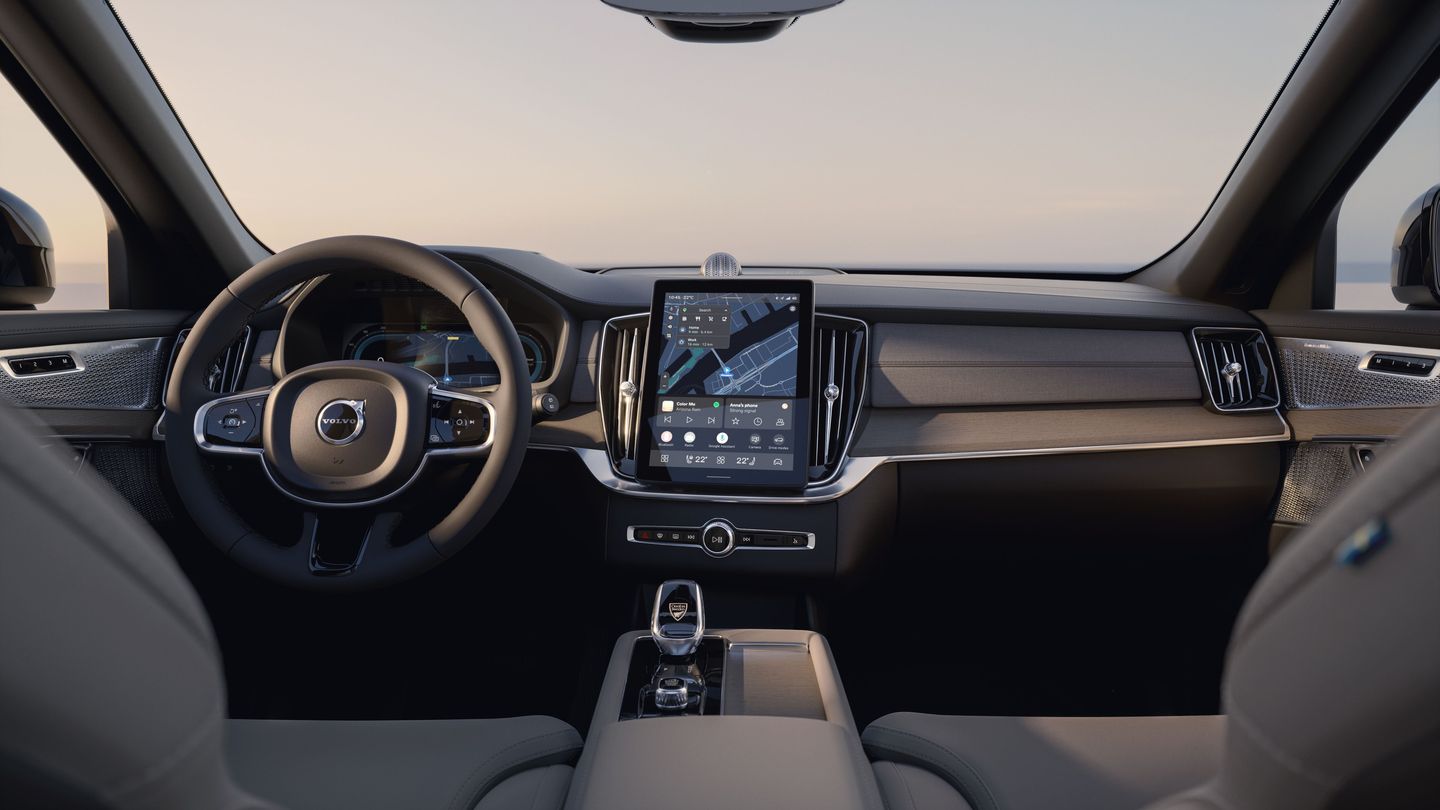
What Can the Volvo Cars App Do for You?
If you drive a Volvo, there is a good chance you have seen the Volvo Cars app on your phone but never dug into everything it can do. It is built to...
Read morePowered and developed by
