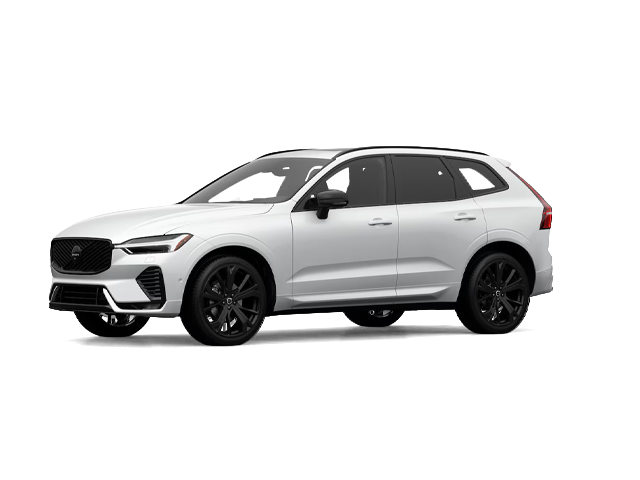
Photo for illustrative purposes only.
Find out moreVolvo Cars Hamilton

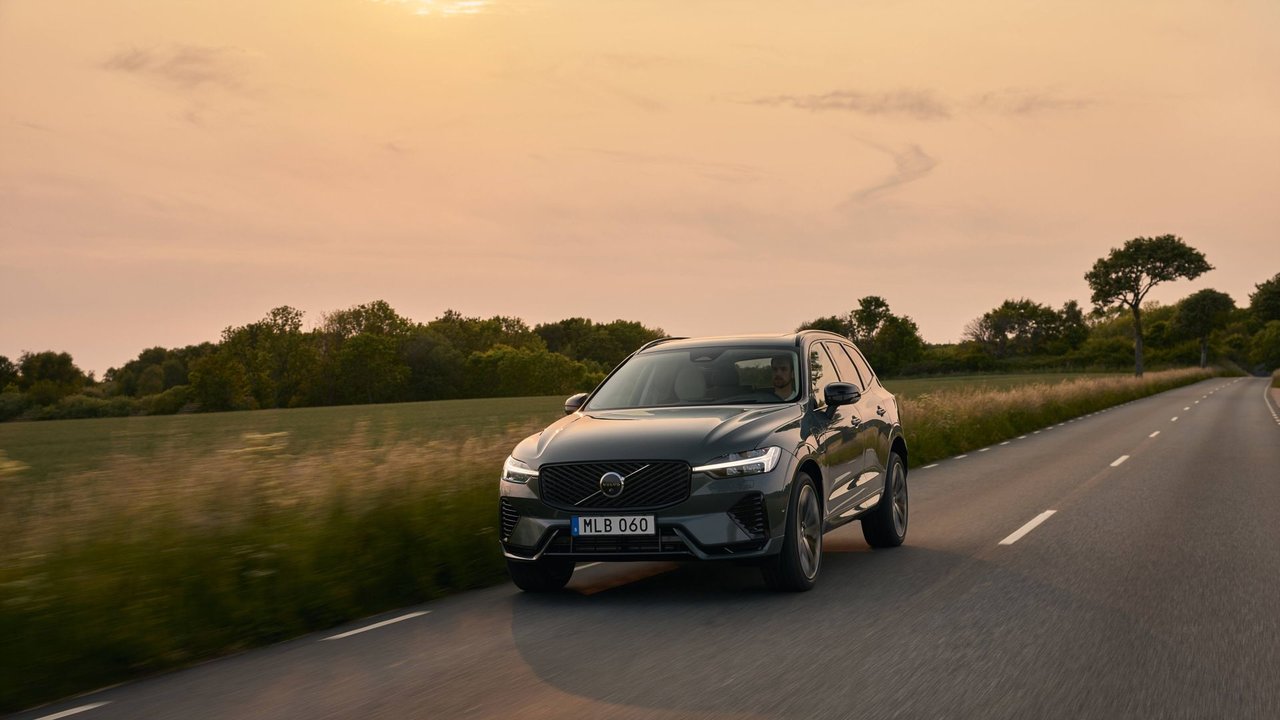
Volvo offers two plug-in hybrid SUVs in its current lineup, each serving different family needs while sharing core powertrain technology. The XC60 T8 and XC90 T8 both combine turbocharged four-cylinder engines with electric motors, enabling electric-only commuting for shorter trips and extended range through gasoline power for longer journeys across Ontario.
For Hamilton-area buyers evaluating plug-in hybrid options, the choice between these models comes down to seating capacity, cargo requirements, and physical dimensions rather than fundamental powertrain differences. Both vehicles deliver 455 horsepower combined output and operate on the same 18.8 kWh battery architecture.
Powertrain Architecture: Shared Foundation
Both the XC60 T8 and XC90 T8 use identical powertrain components, creating consistent performance characteristics across the two models.
Engine and Electric Motor Configuration
Each vehicle pairs a 2.0-litre turbocharged four-cylinder engine with an electric motor. The gasoline engine produces 312 horsepower and 295 lb-ft of torque, while the electric motor adds 143 horsepower and 228 lb-ft. Combined output reaches 455 horsepower and 523 lb-ft of torque.
The engine drives the front wheels through an eight-speed automatic transmission. The electric motor drives the rear wheels independently, creating an electric all-wheel drive system. This configuration allows pure electric rear-wheel drive at low speeds, traditional front-wheel drive when the battery depletes, or full all-wheel drive when maximum traction or acceleration is needed.
Battery Capacity and Electric Range
Both models use an 18.8 kWh lithium-ion battery pack with 14.7 kWh of usable capacity. The battery mounts centrally in the vehicle tunnel, positioned low to minimize impact on cargo space and maintain a low centre of gravity.
Electric-only range differs slightly between the two models:
|
Model |
Electric Range |
|---|---|
|
XC60 T8 |
58 km |
|
XC90 T8 |
53 km |
The XC60's five additional kilometres of range result from its lower weight and slightly better aerodynamics. Both ranges cover typical daily commutes in the Hamilton area, allowing drivers to complete short trips without using gasoline when starting with a full battery charge.
Charging Time and Options
Charging times remain identical across both models:
Both vehicles accept Level 2 charging through a standard household outlet or dedicated charging station. Neither supports DC fast charging, as the battery capacity doesn't warrant the additional hardware cost and complexity.
Many XC60 T8 and XC90 T8 owners in Ontario install dedicated 16-amp charging circuits in their garages, enabling overnight charging that fully replenishes the battery during off-peak electricity hours.
Fuel Efficiency Comparison
Despite similar powertrains, the two models show different fuel consumption figures due to weight and aerodynamic differences.
XC60 T8 Fuel Economy
XC90 T8 Fuel Economy
The XC60's lower fuel consumption reflects its lighter curb weight and more compact dimensions. The difference of 0.4 L/100 km translates to approximately 280 litres of fuel over 70,000 kilometres of driving—meaningful savings for drivers who frequently travel beyond electric range.
Performance and Acceleration
Despite sharing the same 455 horsepower output, the two models deliver different acceleration performance due to their weight differences.
|
Model |
0-100 km/h |
Curb Weight |
|---|---|---|
|
XC60 T8 |
4.8 seconds |
2,114-2,150 kg |
|
XC90 T8 |
5.3 seconds |
2,350 kg |
The XC60's advantage of 0.5 seconds results from carrying approximately 200-230 kg less weight. This difference becomes most noticeable during full-throttle acceleration from a stop, when merging onto highways, or when passing slower traffic.
Both vehicles limit top speed electronically to 180 km/h, consistent with Volvo's broader commitment to speed limitation across its product line.
Dimensions and Physical Size
The most apparent difference between these models appears in their exterior dimensions and interior space.
Exterior Measurements
|
Dimension |
XC60 T8 |
XC90 T8 |
|---|---|---|
|
Length |
4,708 mm |
4,953 mm |
|
Width |
1,902 mm |
1,923 mm |
|
Height |
1,651 mm |
1,767 mm |
|
Wheelbase |
2,865 mm |
2,984 mm |
The XC90 measures 245 mm longer, 21 mm wider, and 116 mm taller than the XC60. This size difference translates directly to interior space, particularly in the third seating row that the XC90 provides.
Ground Clearance
The XC90's additional ground clearance provides increased confidence on rough roads or when navigating deep snow, though both vehicles clear typical Ontario winter conditions without difficulty.
Seating Capacity and Configurations

The fundamental decision point for many families comes down to seating requirements.
XC60 T8: Five Seats
The XC60 accommodates five passengers across two rows. Second-row legroom measures 965 mm, providing comfortable space for adult passengers on longer trips. The absence of a third row allows for more cargo space behind the second row compared to the XC90 when both vehicles have their rearmost seats in use.
XC90 T8: Seven Seats
The XC90 adds a third seating row, creating space for seven passengers. The third row suits children or shorter adults for trips of moderate duration. Third-row legroom of 811 mm provides adequate but not excessive space.
Available in both six-seat and seven-seat configurations, the XC90 offers the six-seat option with second-row captain's chairs that provide easier access to the third row.
Interior Room Comparison
|
Measurement |
XC60 T8 |
XC90 T8 (7-seat) |
|---|---|---|
|
Front legroom |
1,055 mm |
1,038 mm |
|
Second-row legroom |
965 mm |
940 mm |
|
Third-row legroom |
— |
811 mm |
|
Front headroom |
1,009 mm |
987 mm |
|
Second-row headroom |
966 mm |
979 mm |
|
Third-row headroom |
— |
923 mm |
The XC60 provides slightly more front and second-row legroom, while the XC90 distributes space across three rows. Both vehicles include panoramic sunroofs as standard, though the measurements above reflect the reduced headroom with this feature.
Cargo Capacity Analysis
Cargo space represents another key differentiator between these models.
XC60 T8 Cargo Volume
The XC60's cargo area provides sufficient space for three large suitcases plus a cabin bag with seats in use. Folding the second row creates a generous load area suitable for furniture, sporting equipment, or bulk shopping trips.
XC90 T8 Cargo Volume
With all seats in use, the XC90 offers substantially less cargo space than the XC60—a natural consequence of accommodating two additional passengers. However, folding the third row restores useful cargo capacity for typical family needs.
The XC90's maximum cargo volume of 1,005 litres (with all rear seats folded) falls short of the XC60's 1,395 litres due to the structural requirements of the third seating row.
Practical Cargo Considerations
For families who regularly need seven seats, the reduced cargo space with all seats occupied requires careful packing. Weekend trips with seven passengers typically necessitate a roof box or trailer to carry luggage.
Families who occasionally need seven seats but primarily travel with five or fewer occupants benefit from the XC90's flexibility—the third row folds flat when not needed, and the resulting cargo space of 640 litres serves most daily requirements.
Towing Capability
Both vehicles offer identical maximum towing capacity:
This capacity accommodates boat trailers, camping trailers, and utility trailers suitable for family recreational activities. Both vehicles include integrated trailer hitch wiring and stability control systems that adjust when towing.
Price and Value Considerations
The XC90 T8 commands a premium over the XC60 T8, reflecting its larger size, third-row seating, and additional features. The price difference typically ranges from $15,000 to $20,000 depending on package levels.
For families who will use the seven-seat capacity regularly, this premium represents the cost of accommodating two additional passengers. For those who rarely need seven seats, the XC60 provides similar performance and technology at a lower entry price.
Operating Cost Comparison
Several factors influence long-term operating costs:
Fuel Consumption
The XC60's advantage of 0.4 L/100 km translates to approximately $200-$300 annually in fuel savings at typical Ontario fuel prices, assuming 20,000 km of annual driving with regular charging habits.
Insurance
Insurance costs typically run higher for the XC90 due to its increased replacement value. Exact differences vary by driver profile and insurer, but buyers should expect 10-15 percent higher premiums for the larger SUV.
Tire Replacement
The XC90's larger tire sizes and heavier weight result in higher replacement costs. Four new tires for an XC90 typically cost $100-$200 more than equivalent tires for an XC60.
Which Model Suits Your Needs?
The choice between XC60 T8 and XC90 T8 depends on specific family requirements:
Choose the XC60 T8 if:
Choose the XC90 T8 if:
Experience Both Models at Volvo Cars Hamilton
The XC60 T8 and XC90 T8 share core powertrain technology while serving different family configurations. Visit Volvo Cars Hamilton to compare both models side-by-side, assess cargo space with seats in various positions, and determine which plug-in hybrid SUV aligns with your seating and cargo requirements. Our team can demonstrate charging procedures and explain how electric range integrates into typical driving patterns in the Hamilton area.
Photo for illustrative purposes only.
Find out more
The First Details About the Extended-Range 2028 Volvo XC60 and XC90 PHEVs
Volvo has stretched the electric range on two of its plug-in hybrid SUVs, and both the XC60 and XC90 now share the same updated powertrain...
Read more
Natural Resources Canada Increases Its Range Rating for the 2027 Volvo EX60 to 531 km
Range numbers matter when you are thinking about going electric, and the Volvo EX60 just picked up some good news on that front. Natural Resources...
Read more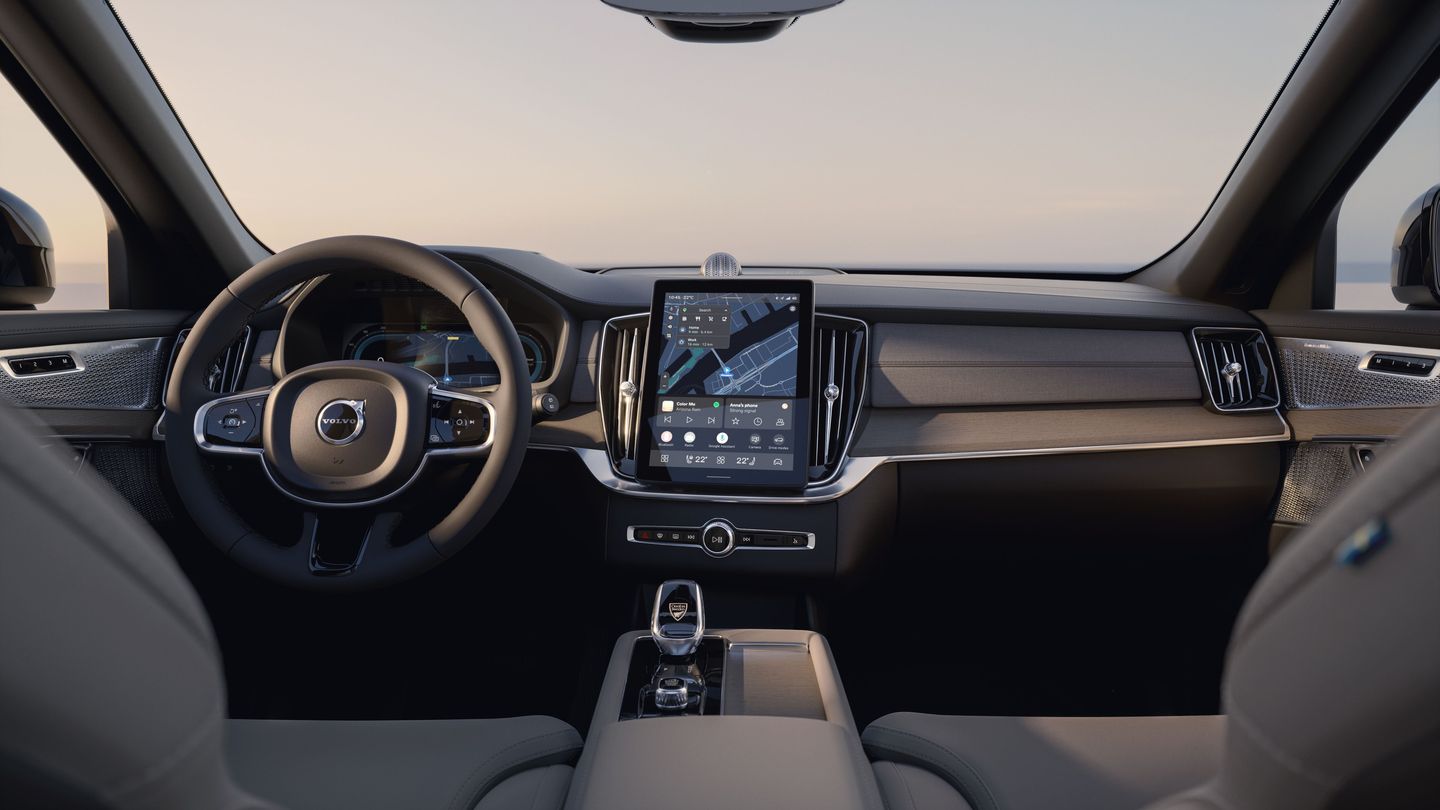
What Can the Volvo Cars App Do for You?
If you drive a Volvo, there is a good chance you have seen the Volvo Cars app on your phone but never dug into everything it can do. It is built to...
Read morePowered and developed by
