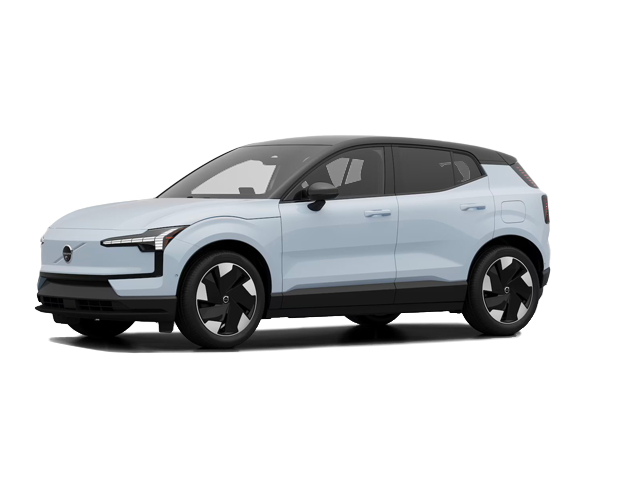
Photo for illustrative purposes only.
Find out moreVolvo Cars Hamilton

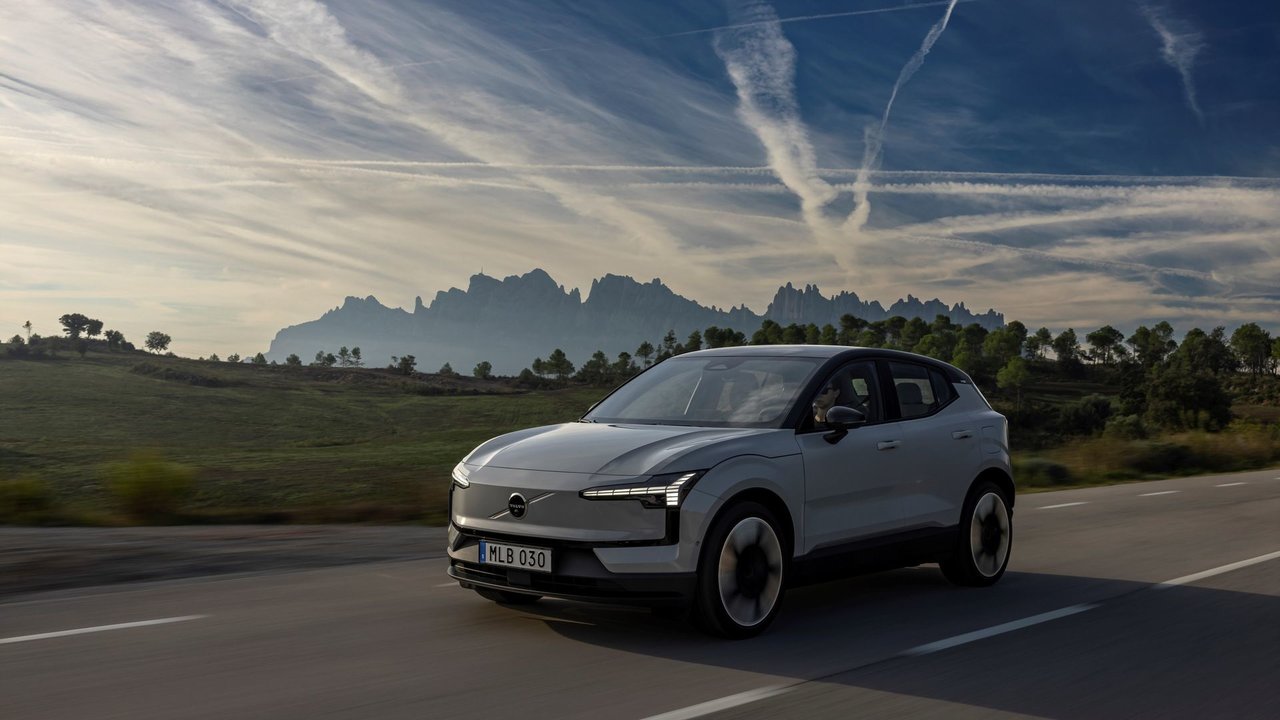
Volvo now offers three distinct compact electric SUVs, each designed for different priorities. The EX30 emphasizes affordability and urban agility. The EC40 prioritizes aerodynamic efficiency with coupe styling. The EX40 provides traditional SUV proportions with maximum cargo flexibility. Understanding the specific differences helps Ontario drivers identify which model aligns with their family size, budget, and usage requirements.
This detailed comparison examines dimensions, cargo capacity, range figures, and pricing across all three models to clarify how each fits different needs.
Primary Specifications Comparison
|
Specification |
EX30 Single Motor |
EX30 Twin Motor |
EC40 Single Motor |
EC40 Twin Motor |
EX40 Single Motor |
EX40 Twin Motor |
|---|---|---|---|---|---|---|
|
Length |
4,233 mm |
4,233 mm |
4,440 mm |
4,440 mm |
4,440 mm |
4,440 mm |
|
Width |
1,837 mm |
1,837 mm |
1,873 mm |
1,873 mm |
1,863 mm |
1,863 mm |
|
Height |
1,555 mm |
1,555 mm |
1,591 mm |
1,591 mm |
1,647 mm |
1,647 mm |
|
Wheelbase |
2,650 mm |
2,650 mm |
2,702 mm |
2,702 mm |
2,702 mm |
2,702 mm |
|
Ground Clearance |
177 mm |
177 mm |
171 mm |
171 mm |
175 mm |
175 mm |
The EX30: Compact Dimensions for Urban Driving
The EX30 serves as Volvo's entry point to electric vehicle ownership. Its subcompact proportions suit city parking, tight streets, and garage constraints.
At 4,233 mm in length, the EX30 measures 207 mm shorter than the EC40 and EX40. This difference impacts maneuverability in parking lots and narrow driveways but also affects interior space.
EX30 Cargo Capacity
Total cargo volume reaches 1,000 litres with rear seats folded flat. With seats upright, available space drops to 400 litres, accommodating groceries or daily cargo but limiting capability for larger items.
The compact dimensions create trade-offs. Rear seat legroom measures 821 mm, suitable for adults on shorter trips but less comfortable for taller passengers during extended highway travel.
A small 7-litre front trunk provides secure storage for charging cables and small valuables.
EX30 Powertrain Options
Single Motor Extended Range:
Twin Motor Performance:
Both configurations use a 69 kWh battery (65 kWh usable) and support DC fast charging at up to 153 kW peak power.
EX30 Pricing and Value Proposition
The EX30 positions as Volvo's most affordable electric offering. Entry pricing starts below $50,000, making premium electric vehicle ownership accessible to more buyers.
This lower cost comes with compact proportions and simplified equipment levels compared to the larger models. The value equation favours buyers prioritizing affordability and daily commuting over maximum interior space.
The EC40: Coupe Styling with Aerodynamic Focus
The EC40 shares its platform and many components with the EX40 but adopts sloped roofline styling that improves aerodynamic efficiency.
EC40 Design and Dimensions
The coupe-style roofline drops the overall height to 1,591 mm, creating a sleeker profile than the EX40's 1,647 mm height. This design choice impacts rear headroom slightly but delivers measurable aerodynamic benefits.
Aerodynamic drag coefficient measures 0.319, contributing to efficient energy consumption and extended range compared to boxier SUV shapes.
EC40 Cargo Space
Despite the sloped roof, cargo capacity matches the EX40's specifications:
The sloped rear window requires loading larger items carefully, but the floor space remains identical to the EX40.
EC40 Powertrain Performance
Single Motor Extended Range:
Twin Motor:
Both EC40 variants use an 82 kWh battery (79 kWh usable) and support DC fast charging at up to 200 kW, enabling faster charging stops than the EX30's 153 kW capability.
EC40 Target Buyer
The EC40 appeals to buyers who value contemporary styling and maximum range. The coupe silhouette creates visual differentiation from traditional SUVs while the larger battery provides confidence for longer trips.
Buyers should consider whether the styling preference justifies similar pricing to the more practical EX40.
The EX40: Traditional SUV Proportions
The EX40 prioritizes interior space and upright visibility over aerodynamic styling. Its traditional SUV shape provides the most headroom and easiest cargo loading of the three models.
EX40 Cabin Space
The upright roofline creates 1,040 mm of maximum front headroom with the panoramic sunroof, exceeding both the EC40 and EX30. Rear passengers gain additional headroom compared to the EC40's sloped roof.
This extra headroom matters for taller drivers and passengers who prioritize comfort during highway travel.
EX40 Cargo Flexibility
Maximum cargo volume reaches 1,328 litres with seats folded, exceeding both the EX30 and EC40. With seats upright, 578 litres of space accommodates weekly grocery runs, sports equipment, or luggage for family trips.
The vertical rear hatch opening simplifies loading large boxes or equipment. Items stack more easily in the upright cargo area compared to the EC40's sloped configuration.
A 21-litre front trunk matches the EC40's capacity, providing secure storage for charging cables and valuables.
EX40 Powertrain Options
The EX40 offers identical powertrain specifications to the EC40:
Single Motor Extended Range:
Twin Motor:
Range figures fall slightly short of the EC40 due to less favorable aerodynamics, but the difference rarely impacts practical use.
EX40 Practical Advantages

The EX40 suits families and buyers who regularly transport cargo or passengers. The traditional SUV shape maximizes usable interior volume without requiring compact-car compromises.
For Ontario families managing hockey equipment, camping gear, or cottage supplies, the EX40's cargo flexibility and easy loading justify its slightly reduced range compared to the EC40.
Range Comparison: Real-World Ontario Driving
EPA range figures provide standardized comparison points, but real-world results vary based on driving conditions, climate, and individual driving style.
Winter Range Considerations
Cold temperatures reduce battery efficiency across all electric vehicles. Ontario winters typically reduce range by 20-30% compared to summer driving.
Using conservative winter estimates:
|
Model |
EPA Summer Range |
Estimated Winter Range |
|---|---|---|
|
EX30 Single Motor |
420 km |
295-335 km |
|
EX30 Twin Motor |
402 km |
280-320 km |
|
EC40 Single Motor |
480 km |
335-385 km |
|
EC40 Twin Motor |
431 km |
300-345 km |
|
EX40 Single Motor |
476 km |
330-380 km |
|
EX40 Twin Motor |
418 km |
290-335 km |
These winter estimates still cover typical daily driving and most weekend trips from Hamilton to nearby destinations. Longer winter trips require planning charging stops.
Charging Capability Comparison
All three models support both AC (home) charging and DC fast charging, but capabilities differ:
EX30:
EC40 and EX40:
The higher DC charging rate provides minimal practical advantage since most charging occurs overnight at home. The difference matters primarily for road trips requiring midday charging stops.
Technology and Features Across the Range
All three models include Google built-in as standard equipment, providing Google Maps, Google Assistant, and Google Play integration without requiring phone connection.
Standard safety features span the lineup:
Higher trim levels add:
Equipment availability and trim structure remain consistent across all three models, allowing buyers to prioritize size and capability over features.
Which Compact Electric Volvo Fits Your Needs?
Choose the EX30 if you:
Choose the EC40 if you:
Choose the EX40 if you:
Experience Volvo's Electric Lineup at Volvo Cars Hamilton
All three compact electric SUVs demonstrate different approaches to electric vehicle design. The EX30 prioritizes affordability and urban agility. The EC40 emphasizes style and range. The EX40 maximizes practical utility and cargo space.
Visit our team at Volvo Cars Hamilton in Hamilton to compare all three models and determine which combination of size, capability, and value matches your driving requirements.
Photo for illustrative purposes only.
Find out more
How to Prepare Your Volvo for Fall and Winter
Cooler mornings and shorter days are the first signs that driving conditions are about to change. A little preparation in the fall makes for calm,...
Read more
How to Choose Between the 2026 Volvo XC60 Plug-In Hybrid and the 2027 Volvo EX60
Volvo builds two mid-size SUVs that let you drive on electricity, and each one does it in its own way. The 2026 XC60 T8 plug-in hybrid pairs a gas...
Read more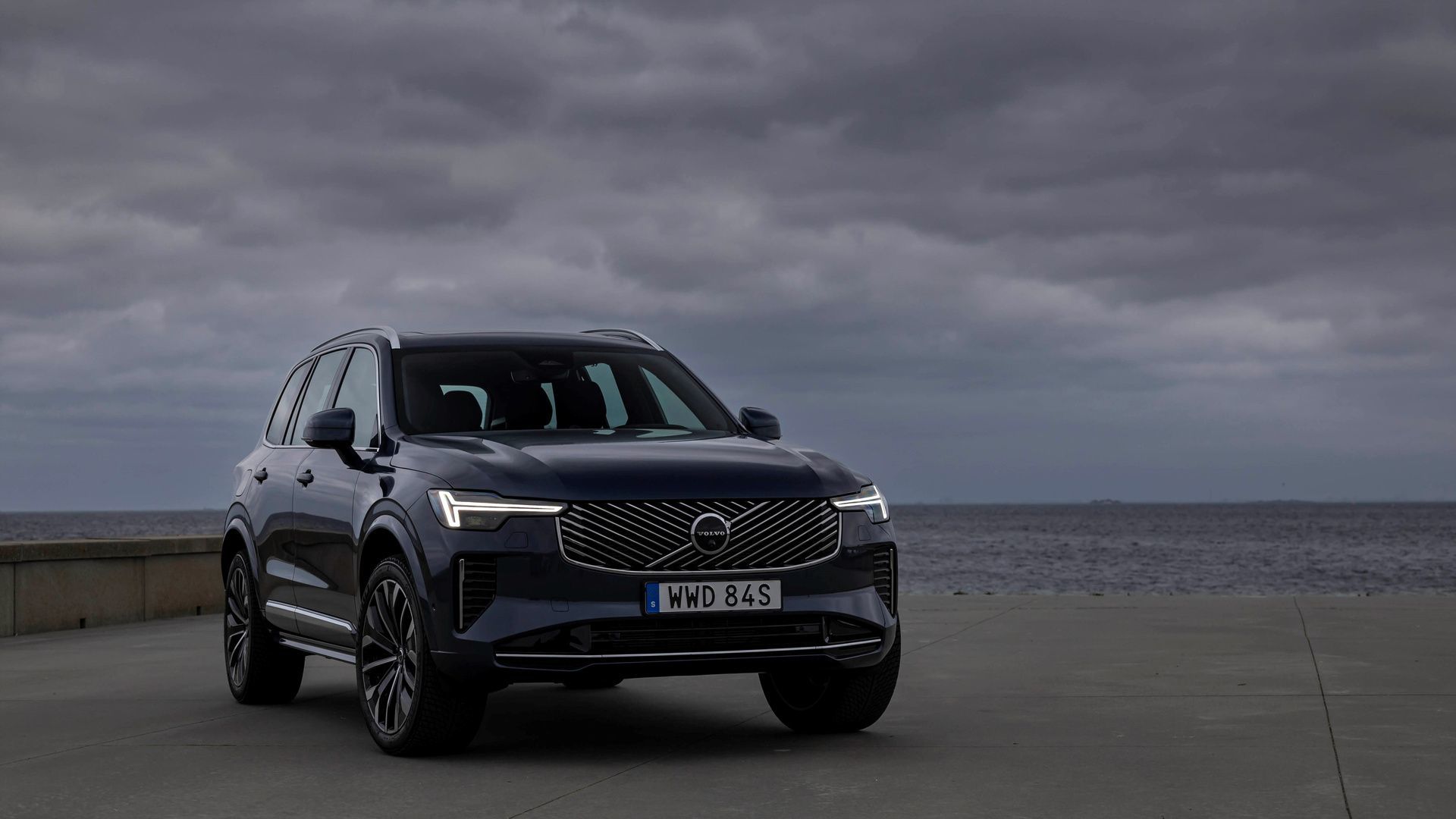
How 2027 Volvo Vehicles Help Prevent and Mitigate Collisions with Large Animals
A deer at the edge of the road at dusk. A moose standing in the middle of a dark highway. Most Canadian drivers have had a close call like this, or...
Read morePowered and developed by
