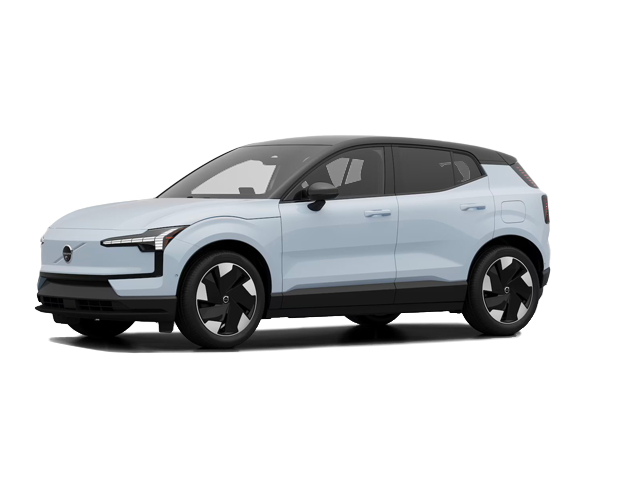
Photo for illustrative purposes only.
Find out moreVolvo Cars Hamilton

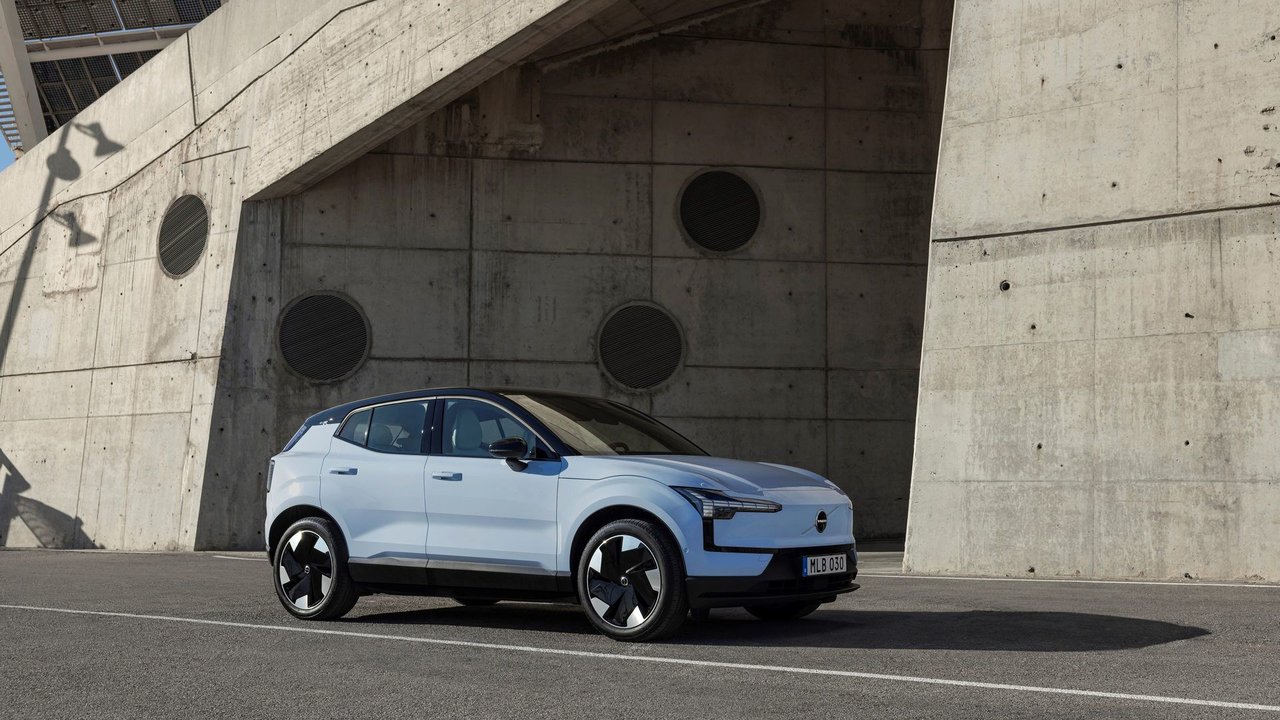
If you've already decided the 2026 Volvo EX30 is the right vehicle for your life in Hamilton, the next decision is which powertrain to choose. The EX30 lineup offers two distinct electric drivetrains — a rear-wheel-drive Single Motor Extended Range and an all-wheel-drive Twin Motor Performance — and the differences between them go well beyond a spec sheet. For buyers navigating the Niagara Escarpment, the QEW in winter, or gravel roads outside the city, the choice of powertrain has real consequences on how the car performs in conditions that matter.
This guide covers what each variant delivers, where the tradeoffs land, and how to think through the decision based on how Hamilton drivers actually use their vehicles.
At a Glance: EX30 Single Motor vs. Twin Motor
|
Specification |
Single Motor Extended Range RWD |
Twin Motor Performance AWD |
|---|---|---|
|
Configuration |
Rear-wheel drive |
All-wheel drive |
|
Output |
268 hp |
422 hp |
|
0–100 km/h |
5.3 seconds |
3.6 seconds |
|
Electric Range (19" or 20" wheels) |
Up to 420 km |
Up to 402 km |
|
DC Fast Charging Peak Power |
153 kW |
153 kW |
|
Battery (Usable) |
65 kWh |
65 kWh |
|
Drive Modes |
Standard |
Standard + AWD traction distribution |
Understanding the Single Motor Extended Range RWD
The Single Motor Extended Range is the EX30 that most buyers encounter first, and for good reason. A 268 hp rear-mounted electric motor and a 65 kWh usable battery give it a solid combination of performance and range. The 420 km NRCan estimate (on 19" or 20" wheels) covers a Hamilton–Toronto return trip and a half, or a run to Niagara Falls and back with considerable range remaining.
At 5.3 seconds to 100 km/h, it is not a slow vehicle by any measure. Day-to-day driving in Hamilton — whether that's the King Street corridor, the Linc, or the Red Hill Valley Parkway — gives the Single Motor plenty of room to perform.
The main consideration for this variant is traction. Rear-wheel drive in a capable electric vehicle is not inherently problematic — torque delivery in modern EVs is precise and can be managed with stability systems — but Hamilton winters introduce real variables. Ice, packed snow, and freeze-thaw surface conditions on the Escarpment access roads or the QEW between December and March create scenarios where AWD provides a measurable advantage.
Single Motor key considerations:
Understanding the Twin Motor Performance AWD

The Twin Motor Performance adds a second electric motor at the front axle, converting the EX30 into an all-wheel-drive vehicle. The combined output reaches 422 hp — more than many performance sedans in a package the size of a compact SUV. The 0–100 km/h sprint takes 3.6 seconds.
For day-to-day driving in Hamilton, that performance figure is more a confidence statement than a necessity. The more practical benefit of the Twin Motor is how AWD distributes torque between axles. On a slick on-ramp, a salted highway, or a packed-snow driveway, the system can shift power to the axle with available traction before wheelspin occurs. For Hamilton buyers who use the Escarpment routes or drive regularly through the winter months without covered parking, this is the relevant advantage.
Range comes in at up to 402 km on the same 19" or 20" wheel sizing — roughly 18 km less than the Single Motor. In practice, the real-world gap will depend on temperature and driving patterns. Both variants use the same 153 kW DC peak charging rate and the same 65 kWh usable battery, so charging behaviour is identical regardless of the drivetrain choice.
Twin Motor key considerations:
Winter Driving in Hamilton: Where the Drivetrain Decision Gets Practical
Ontario winters test any vehicle. Hamilton specifically sits at the base of the Niagara Escarpment, where elevation changes, lake-effect precipitation from Lake Ontario, and rapid temperature shifts create driving conditions that vary significantly from the city's lower streets to the communities above the brow. Ancaster, Dundas, Flamborough, and the routes in and out of the upper city can carry substantially different road conditions than the lower city during and after a storm.
For buyers in those areas, or for anyone who commutes up and down the Escarpment regularly, AWD provides a consistent traction advantage. For buyers who remain primarily in Hamilton's lower city, park in a heated garage, and do most highway driving between April and November, the Single Motor's additional range and simplicity may be the better fit.
Both variants come equipped with Volvo's IntelliSafe driver assistance suite as standard, including stability control, lane-keeping assistance, and blind-spot monitoring — technology that provides meaningful support regardless of drivetrain.
Which EX30 Is Right for You?
|
Your Driving Profile |
Recommended Variant |
|---|---|
|
Urban Hamilton commuter, mild winters, covered parking |
Single Motor Extended Range RWD |
|
Mixed city-highway, Escarpment routes, exposed parking |
Twin Motor Performance AWD |
|
Maximum range is the top priority |
Single Motor Extended Range RWD |
|
AWD confidence and acceleration are priorities |
Twin Motor Performance AWD |
|
Towing a small trailer or bike carrier occasionally |
Twin Motor Performance AWD |
Neither variant is the wrong choice in absolute terms. The Single Motor delivers range efficiency and a 268 hp driving experience that exceeds most combustion alternatives in its class. The Twin Motor delivers the kind of traction security that Ontario winters reward, backed by 422 hp that makes highway on-ramps an afterthought.
Experience Both at Volvo Cars Hamilton
The best way to settle the debate is behind the wheel. Volvo Cars Hamilton carries both EX30 variants, and our team can walk you through the powertrain differences, pricing, and delivery timelines for each. Book a test drive at our Hamilton location and find out which EX30 fits your life on Ontario's roads.
Photo for illustrative purposes only.
Find out more
The First Details About the Extended-Range 2028 Volvo XC60 and XC90 PHEVs
Volvo has stretched the electric range on two of its plug-in hybrid SUVs, and both the XC60 and XC90 now share the same updated powertrain...
Read more
Natural Resources Canada Increases Its Range Rating for the 2027 Volvo EX60 to 531 km
Range numbers matter when you are thinking about going electric, and the Volvo EX60 just picked up some good news on that front. Natural Resources...
Read more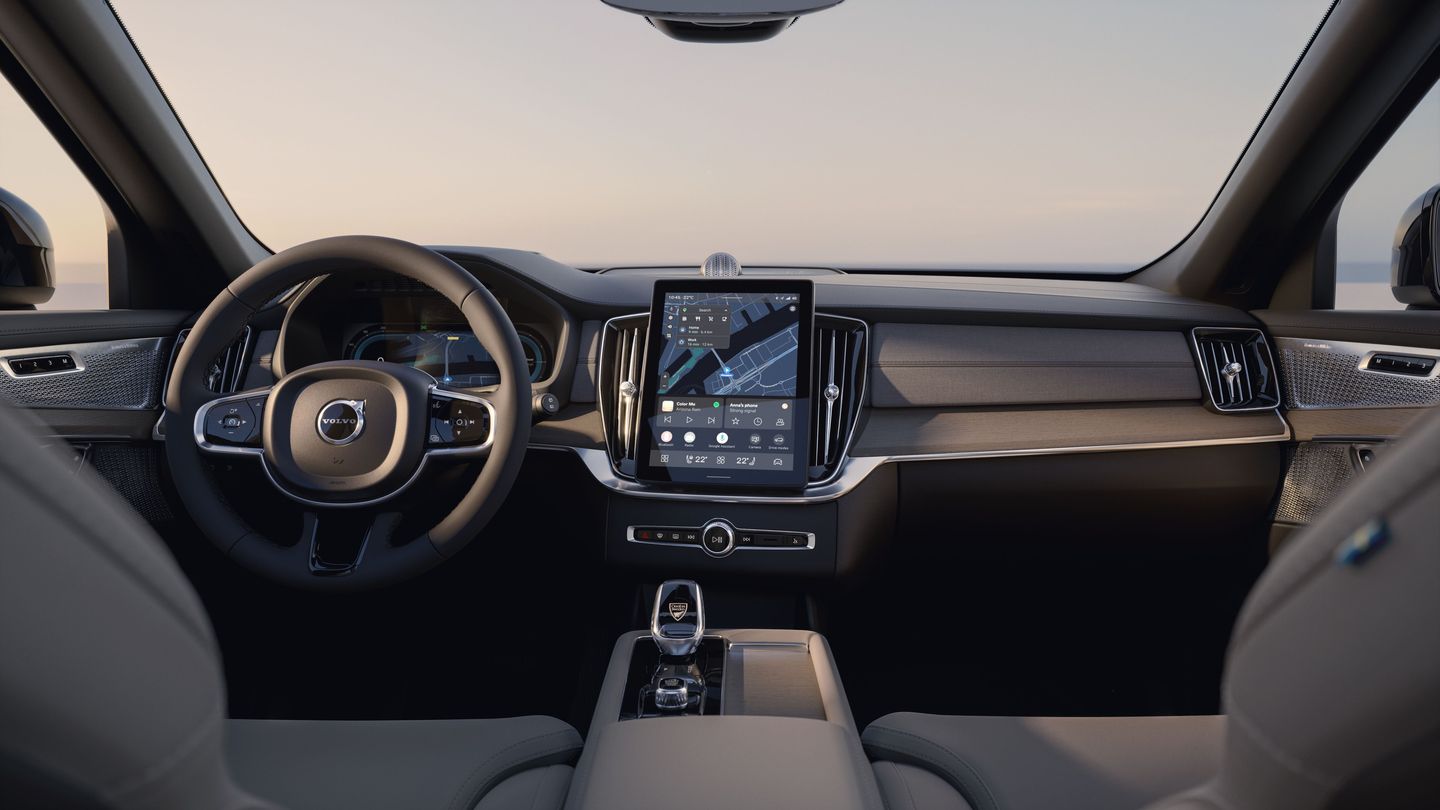
What Can the Volvo Cars App Do for You?
If you drive a Volvo, there is a good chance you have seen the Volvo Cars app on your phone but never dug into everything it can do. It is built to...
Read morePowered and developed by
