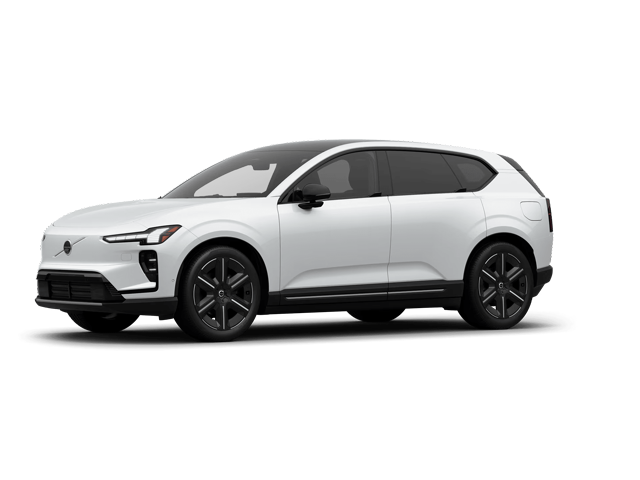
Photo for illustrative purposes only.
Find out moreVolvo Cars Hamilton

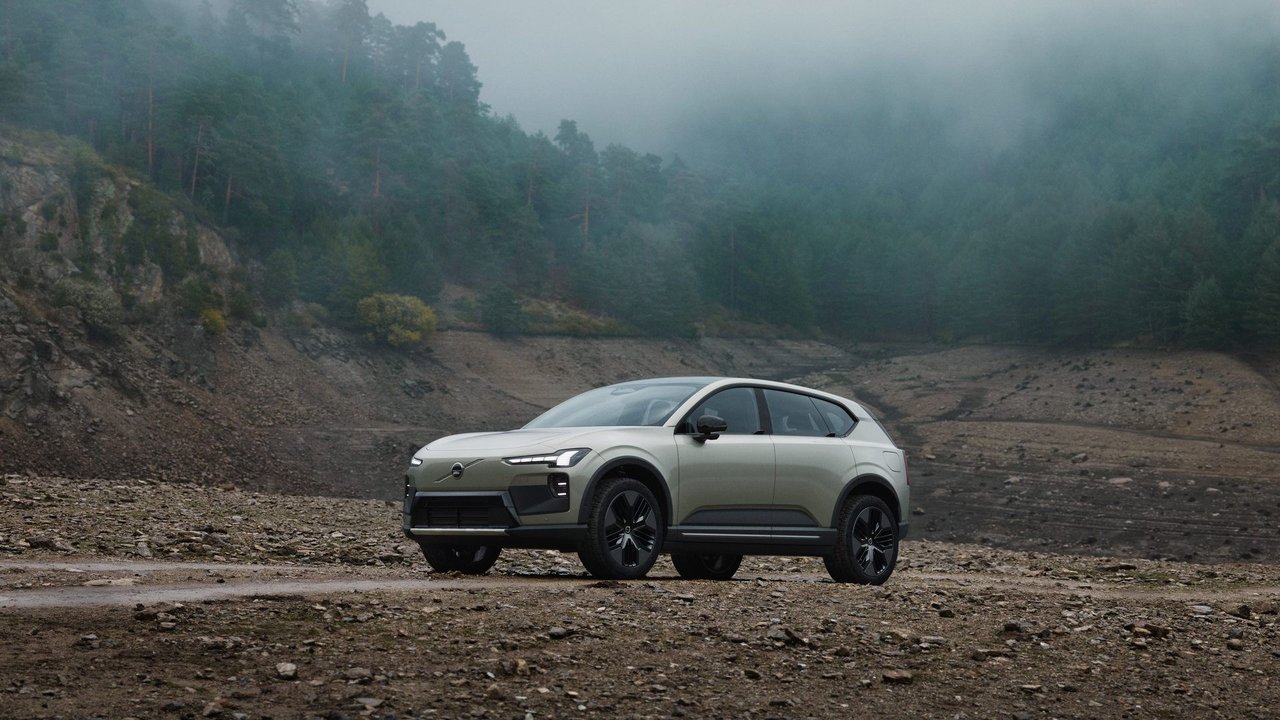
Most people shopping for a new vehicle don't start by researching vehicle platforms. That's reasonable — a platform is invisible, buried under the body panels and the interior trim, and its name rarely appears in a brochure headline. But the platform is where every decision about a vehicle's architecture originates. Interior space, weight, charging speed, how the battery is housed, how the software talks to the hardware — all of it flows from the platform up.
The Volvo EX60, which opened for Canadian orders in April 2026 with deliveries expected to begin later this year, is the first vehicle built on Volvo's SPA3 architecture. For buyers in Hamilton who are curious about what separates the EX60 from earlier electric Volvos, or from the electric SUVs they've been reading about in competing lineups, SPA3 is where that story starts.
What SPA3 Is — and Why It Matters That It's Electric-Only
Volvo's previous vehicle architectures — SPA and SPA2 — were designed to accommodate both combustion engines and electric powertrains. That sounds like flexibility, and in a transitional product sense, it was. But designing a platform around an engine bay, a fuel tank, and an exhaust system while also trying to package a battery, electric motors, and power electronics means making compromises on all sides. The battery ends up where there's leftover space. The floor can't be flat because the architecture wasn't designed for it from the start.
SPA3 was designed for electric propulsion only. No combustion engine constraints, no fuel tank packaging, no driveshaft tunnel to route around. The architecture was built from a clean sheet around what an electric vehicle actually needs.
The practical consequences of that decision show up in three specific areas.
Three Things SPA3 Makes Possible
A Flat Floor and More Rear Legroom
Combustion-engine vehicles — and electric vehicles built on platforms adapted from combustion architecture — often have a raised centre tunnel running through the cabin floor. That tunnel exists because the platform needed it: for a driveshaft, a transmission, or exhaust routing. When you build an electric platform from scratch, that tunnel disappears.
The EX60's flat floor is a direct result of SPA3's clean-slate design. Combined with the long wheelbase that the architecture allows, the EX60 delivers more rear-seat legroom than a converted-platform equivalent could offer in the same external footprint. For Hamilton families who regularly carry adults in the back seat on runs down to Niagara or across to Toronto, that extra space changes how the car feels on longer trips.
Cell-to-Body Battery Integration
In most electric vehicles, the battery pack is a self-contained module — a heavy box that gets bolted to the floor structure of the car. That box needs its own protective housing, its own structural reinforcement, and it adds weight and height to the vehicle.
In the EX60, Volvo uses cell-to-body technology, which integrates individual battery cells directly into the floor structure of the car itself. The battery becomes part of the car's architecture rather than a separate unit sitting beneath it. The result is a reduction in redundant protective enclosures, which reduces overall vehicle weight. Less weight means less energy required to move the car, which contributes directly to driving range. It also improves structural rigidity — a stiffer floor structure is a safer one.
Megacasting

The EX60 is the first Volvo vehicle built using megacasting in its production process. Megacasting is a manufacturing technique that replaces hundreds of smaller stamped and welded metal components with a single, high-precision casting. A rear underbody section that would traditionally require dozens of individual parts welded together is produced as one piece.
For buyers, the relevant benefit is reliability: fewer joints and welds mean fewer potential failure points. For Volvo, the manufacturing benefit is consistency and reduced weight, both of which filter through to the vehicle's performance and lifespan.
What SPA3 Means for the EX60's Charging and Software
The SPA3 platform underpins two further capabilities that buyers in Hamilton will notice in everyday use.
800-volt architecture: The EX60 uses an 800-volt electrical system rather than the more common 400-volt architecture found in most current electric vehicles. This allows the car to accept DC fast charging at speeds up to 370 kW for the P10 AWD variant. When connected to a compatible 400 kW fast charger, the EX60 can add approximately 270 km of range in 10 minutes, or charge from 10 percent to 80 percent in as little as 18 minutes. For Hamilton drivers planning a trip to Montreal or a longer run north, that changes the calculation on how often a charging stop is needed and how long it takes.
HuginCore and over-the-air updates: SPA3 supports Volvo's HuginCore central computing system, which is capable of processing over 250 trillion operations per second. That processing capacity enables the EX60 to function as a software-defined vehicle — one that can receive meaningful over-the-air updates that improve the car's performance, features, and behaviour after purchase. The EX60 you order today can become a more capable vehicle two years from now through software updates delivered wirelessly, in the same way a smartphone improves over time.
Key Takeaways
|
Feature |
What SPA3 Enables |
Buyer Benefit |
|---|---|---|
|
Electric-only architecture |
No combustion compromises |
More efficient packaging |
|
Flat floor |
No centre tunnel |
More rear-seat legroom |
|
Cell-to-body battery |
Structural integration |
Reduced weight, improved rigidity |
|
Megacasting |
Fewer components |
Reduced weight, consistent build quality |
|
800V electrical system |
Up to 370 kW DC charging |
Faster charge stops |
|
HuginCore computing |
Software-defined vehicle |
OTA improvements over time |
Find Out More at Volvo Cars Hamilton
The EX60 is now open for orders and deposits through Volvo Car Canada's One Price Promise program, with Canadian deliveries expected later in 2026. If you'd like to understand how the EX60's technology compares to what's currently in your driveway, or how it fits alongside Volvo's existing lineup, the team at Volvo Cars Hamilton is here to walk you through it. Stop by or get in touch to learn more.
Photo for illustrative purposes only.
Find out more
The First Details About the Extended-Range 2028 Volvo XC60 and XC90 PHEVs
Volvo has stretched the electric range on two of its plug-in hybrid SUVs, and both the XC60 and XC90 now share the same updated powertrain...
Read more
Natural Resources Canada Increases Its Range Rating for the 2027 Volvo EX60 to 531 km
Range numbers matter when you are thinking about going electric, and the Volvo EX60 just picked up some good news on that front. Natural Resources...
Read more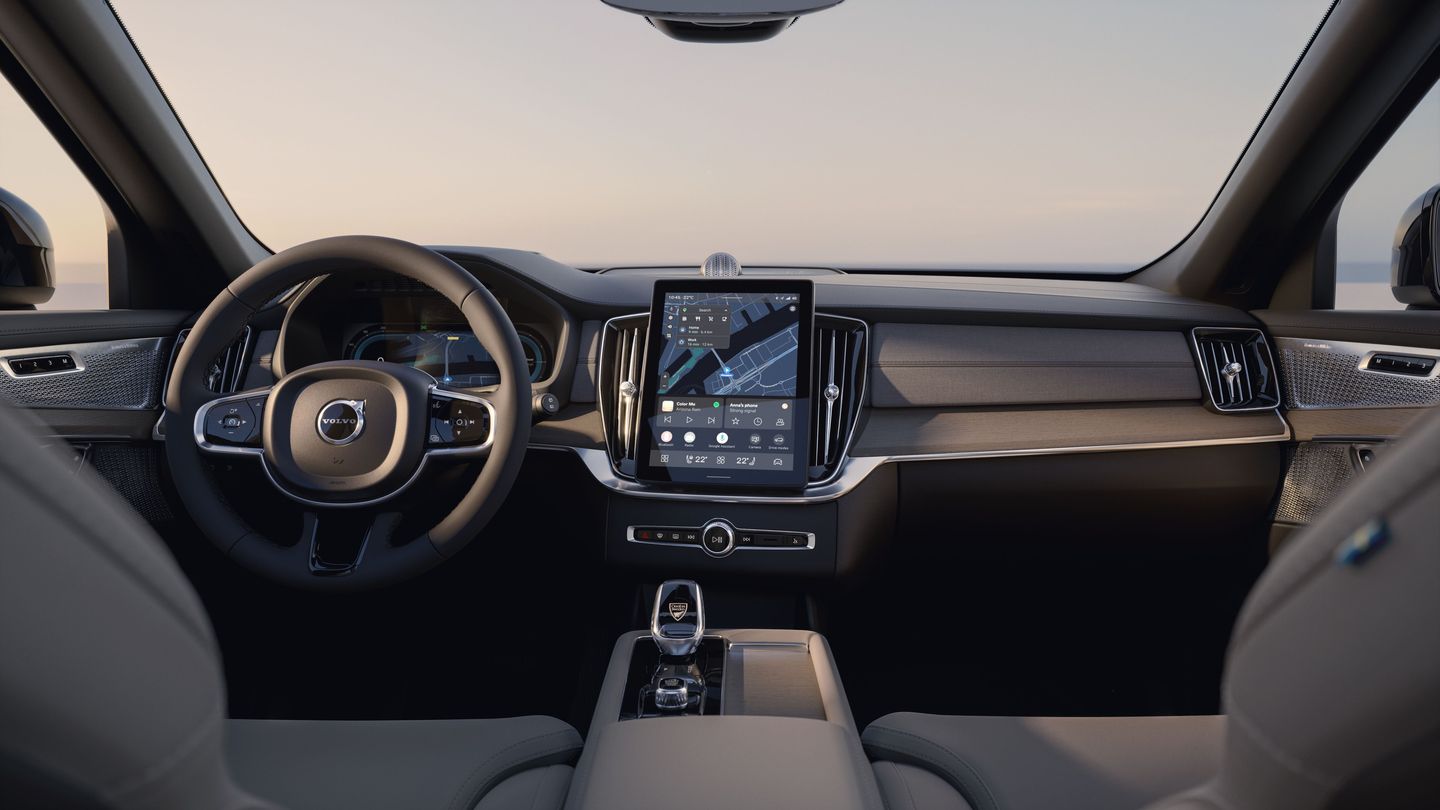
What Can the Volvo Cars App Do for You?
If you drive a Volvo, there is a good chance you have seen the Volvo Cars app on your phone but never dug into everything it can do. It is built to...
Read morePowered and developed by
