Photo for illustrative purposes only.
Find out moreVolvo Cars Hamilton

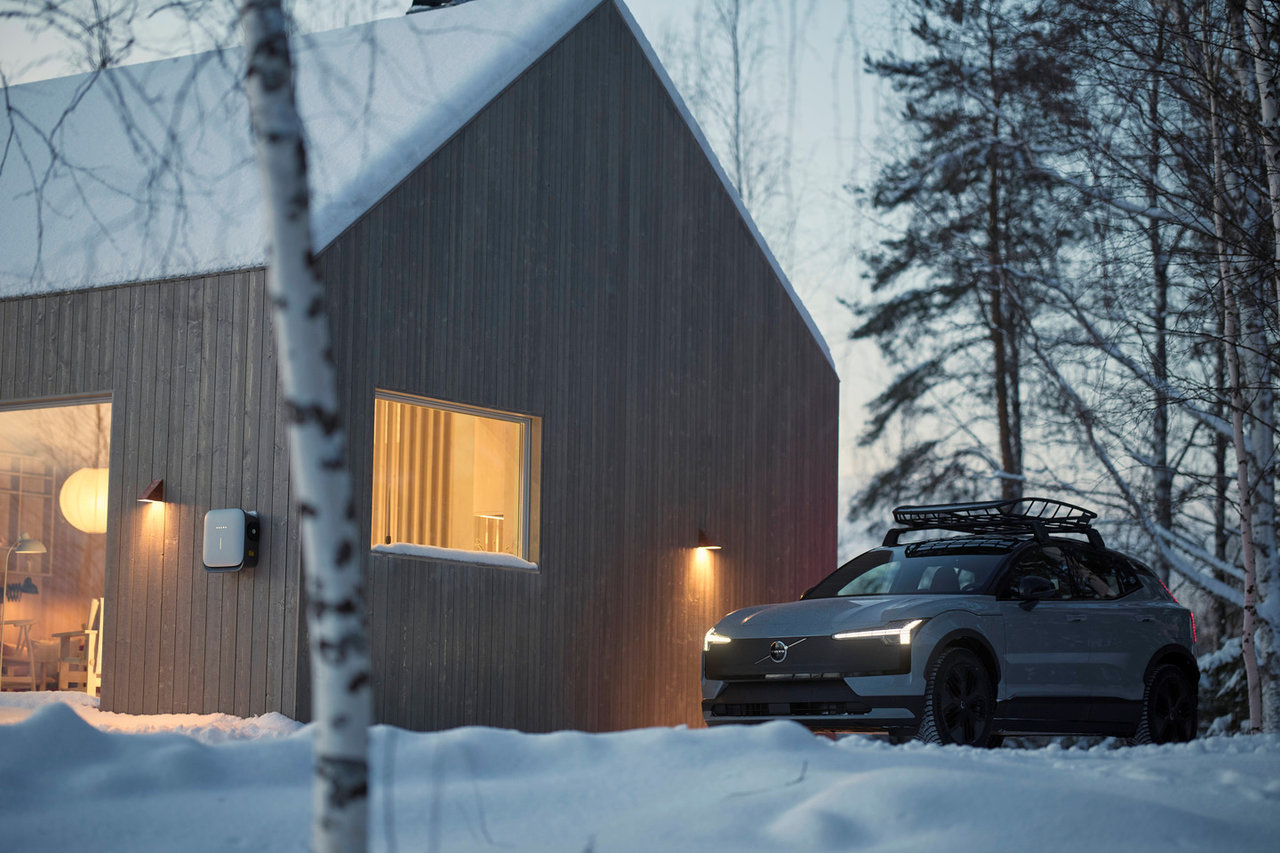
Volvo engineers design vehicles in Gothenburg, Sweden, where winter conditions match or exceed Ontario's seasonal challenges. This geographical reality shapes how Volvo approaches vehicle development—winter capability isn't an afterthought added for Canadian markets, but a fundamental design criterion integrated from initial engineering.
Ontario drivers face specific winter challenges: freezing rain that coats windshields, ice accumulation in driveways, variable traction during snowfall, and sustained cold that affects driver alertness. Volvo addresses these conditions through specific technologies engineered to manage winter realities. This examination details five Volvo features designed specifically for cold-weather operation and explains the winter problems each system solves.
Heated Steering Wheel and Seats: Maintaining Driver Alertness
Cold vehicle interiors affect driver comfort and, more importantly, driver reaction time and decision-making capability. Research conducted by automotive safety organizations demonstrates that cold exposure reduces fine motor control and increases reaction times measurably.
The Alertness Factor
When drivers enter cold vehicles, their bodies prioritize core temperature maintenance over peripheral functions. Blood flow reduces to extremities, including hands. This physiological response decreases tactile sensitivity and finger dexterity, making precise steering inputs more difficult.
Volvo's heated steering wheel addresses this issue directly. The heating element warms the rim quickly, typically reaching comfortable temperature within two to three minutes of activation. This rapid warming restores hand temperature and maintains the fine motor control needed for precise steering during challenging winter driving.
Heated front seats complement the steering wheel by accelerating whole-body warming. Rather than waiting for cabin air temperature to rise slowly through the HVAC system, seat heating delivers warmth directly to the driver's core body mass. This direct heating approach improves comfort more quickly than air-based heating alone.
Multi-Zone Heating Strategy
Available heated rear seats extend comfort to passengers, particularly valuable for families with children. Cold passengers create distractions as they complain about temperature, diverting driver attention from road conditions.
Volvo's four-zone climate system available on models like the XC90 allows independent temperature control for driver, front passenger, and each side of the rear seat. This granular control addresses individual comfort preferences without requiring compromise between occupants.
The heated steering wheel integrates with the vehicle's remote start function available through the Volvo Cars app. Drivers can activate climate systems before entering the vehicle, ensuring warm steering wheel and seats when they begin their journey. This pre-conditioning reduces the initial shock of cold exposure and enables immediate alertness when driving begins.
Heated Windshield Washer Nozzles: Maintaining Critical Visibility
Winter driving depends absolutely on windshield visibility. Freezing rain, salt spray, and snow create constant windshield contamination that requires frequent washer fluid application. Frozen washer nozzles eliminate this capability precisely when it's most needed.
The Visibility Challenge
Hamilton winter roads involve constant exposure to road spray. Salt brine, sand particles, and melting snow create a film on windshields that reduces visibility dramatically. This contamination builds quickly during highway driving, requiring washer fluid application every few kilometres during active precipitation or heavy traffic conditions.
Traditional washer systems route fluid through unheated lines to unheated nozzles. When temperatures drop below freezing, water in the nozzles freezes solid, blocking fluid delivery. Even with proper winter-grade washer fluid in the reservoir, frozen nozzles prevent the fluid from reaching the windshield.
Heated Nozzle Operation
Volvo's heated washer nozzles include small heating elements that activate automatically when outside temperature drops below 2°C. These elements draw power from the vehicle's electrical system and begin warming the nozzle assembly whenever the ignition is on.
The heating prevents freezing in two ways. First, it maintains nozzle temperature above freezing point, preventing ice formation. Second, if ice has already formed during overnight parking, the heating elements melt the ice within minutes of starting the vehicle.
This system operates transparently. Drivers don't activate heated nozzles manually—the system monitors outside temperature through the vehicle's ambient temperature sensor and manages nozzle heating automatically.
The practical benefit manifests during challenging driving situations. When road spray suddenly obscures windshield visibility on the Red Hill Parkway during a winter storm, heated nozzles ensure washer fluid delivery remains available. This consistent function eliminates the dangerous situation where drivers cannot clear windshield contamination due to frozen nozzles.
All-Wheel Drive with Torque Vectoring: Managing Mixed-Surface Traction
Ontario winter roads present constantly changing surface conditions. A single stretch of highway might include bare pavement, packed snow, ice patches, and slush within a few hundred metres. Managing traction across these varying surfaces requires sophisticated AWD systems that adapt continuously.
Beyond Basic AWD Distribution
Volvo's AWD system doesn't simply split power between front and rear axles. The system monitors individual wheel speeds, steering angle, throttle position, and brake application to determine optimal power distribution for current conditions.
When the system detects front wheel slip, it redirects power to the rear axle. This happens within milliseconds, faster than drivers can perceive wheel slip developing. The seamless power transfer maintains forward momentum without the hesitation or hunting behaviour common in older AWD systems.
During cornering, the AWD system works with torque vectoring capability to optimize stability. If sensors detect the vehicle beginning to understeer (front end pushing wide), the system can apply individual rear brakes while redirecting power to help rotate the vehicle through the corner. This intervention happens smoothly, correcting the vehicle's path without abrupt changes that might alarm drivers.
Real-World Traction Scenarios
Consider accelerating from a stop at the intersection of Main Street and the Red Hill Valley Parkway during freezing rain. The front tires encounter ice while rear tires find better traction on pavement. Volvo's AWD system detects the front slip instantly and shifts power rearward, allowing the vehicle to accelerate smoothly rather than struggling as front wheels spin uselessly.
On the Lincoln M. Alexander Parkway during a snow squall, conditions change every few seconds as wind redistributes snow across lanes. One moment provides good traction, the next encounters slippery packed snow. The AWD system adapts to these rapid changes, continuously adjusting power distribution to maintain acceleration capability and stability.
The system's benefit extends beyond acceleration. During deceleration and coasting, the AWD can maintain power distribution that stabilizes the vehicle even when not actively accelerating. This all-condition management provides consistent stability regardless of driver input.
Hill Descent Control: Managing Steep Ice Safely
Ontario's escarpment geography creates numerous steep grades throughout the Hamilton region. The Niagara Escarpment generates elevation changes that become treacherous when coated with ice or packed snow. Descending steep icy hills safely requires managing speed without allowing wheels to lock and lose directional control.
The Steep Descent Challenge
Traditional driving technique for steep descents involves selecting a low gear and using engine braking to control speed. This approach works effectively on dry surfaces but becomes problematic on ice. If engine braking force exceeds available traction, wheels begin sliding. Once sliding begins, directional control disappears and the vehicle descends at increasing speed.
Attempting to modulate brake pressure manually while descending icy slopes requires precise control. Too much pressure locks wheels and eliminates steering capability. Too little pressure allows speed to increase dangerously. Maintaining the precise pressure that maximizes deceleration without wheel lock is difficult for experienced drivers and nearly impossible for those with less experience.
How Hill Descent Control Functions
Hill Descent Control automates this precise brake modulation. The driver activates the system (typically through a button or the vehicle's drive mode selector), and the system takes over speed management.
The system uses the ABS wheel speed sensors to monitor each wheel independently. When it detects a wheel beginning to lock, it reduces brake pressure to that specific wheel just enough to restore rotation. This individual wheel management maintains the maximum possible deceleration while preserving directional control.
Target descent speed is typically set around 5-8 km/h, a walking pace that provides maximum control. The driver maintains steering control but doesn't need to manage brake pressure. This allows full attention to steering inputs and path selection rather than splitting focus between multiple controls.
Practical Application in Hamilton Region
Exiting driveways on Escarpment properties during icy conditions represents a common scenario where Hill Descent Control provides value. These driveways often feature grades of 10-15%, which become treacherous when coated with ice or hard-packed snow.
Activating Hill Descent Control before beginning the descent allows the system to manage speed automatically. The driver can focus on steering straight down the driveway rather than worrying about brake modulation. The system maintains safe speed while preserving steering control.
Certain rural roads accessing cottage country north of Hamilton include steep descents. During spring thaw when ice remains in shaded sections, these descents can surprise drivers with sudden traction loss. Hill Descent Control manages these unexpected ice patches safely, maintaining control when manual braking might cause wheel lock.
The system's value isn't limited to extreme situations. Even moderate slopes become difficult to manage in icy conditions. Hill Descent Control provides consistent, reliable performance across the full range of winter descent scenarios.
Advanced Climate System with Rapid Cabin Heating
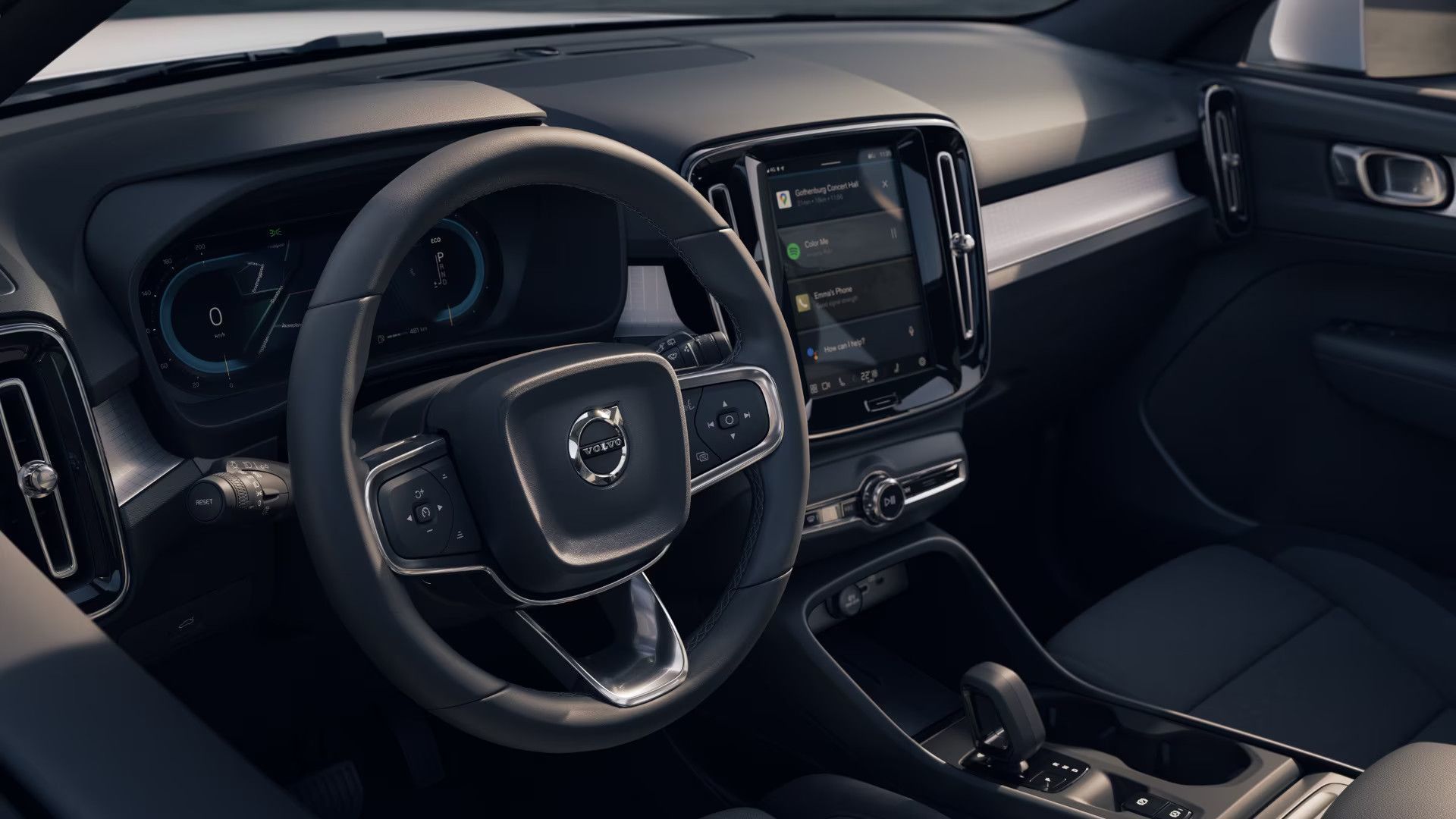
Cold vehicle cabins create multiple challenges beyond simple discomfort. Fogged windows obscure visibility. Cold air affects breathing comfort. Extended cold exposure before the cabin warms causes distraction and discomfort that reduces driver focus.
Traditional Heating System Limitations
Conventional vehicle heating systems rely on engine coolant circulating through a heater core. This approach requires the engine to warm up before heat becomes available. In winter conditions with modern efficient engines that warm slowly, this delay can extend 10-15 minutes before meaningful heat reaches the cabin.
During this warm-up period, drivers must manage fogged windows, cold discomfort, and reduced HVAC fan speed to avoid blowing cold air. This transitional period is when drivers are most distracted and least comfortable.
Volvo's Multi-Source Heating Approach
Volvo's climate system addresses this challenge through multiple heat sources working together. The primary system uses engine coolant heat, but supplemental systems accelerate cabin warming.
Electric heating elements supplement coolant-based heating during the initial warm-up period. These elements activate immediately when the vehicle starts, providing heat flow even while the engine remains cold. This electric boost delivers warm air to the cabin within 30-60 seconds of starting, dramatically reducing the delay before heat becomes available.
The system's air distribution management directs initial heat strategically. Rather than distributing equally to all vents, the system prioritizes windshield defogging and driver-area heating. This focused distribution clears critical visibility areas quickly while warming the driver before addressing passenger comfort.
Residual Heat Function
Many Volvo models include a residual heat function that extracts remaining warmth from the engine after shutdown. This feature activates automatically when the driver parks and exits. If ambient temperature is cold, the system continues circulating coolant through the heater core for up to 30 minutes, using the engine's retained heat to keep the cabin warm during short stops.
This function benefits drivers making brief stops at stores or other errands. Rather than returning to a cold vehicle, they re-enter a cabin that has maintained temperature during their absence. The system requires no manual activation—it operates automatically when conditions warrant.
Remote Climate Pre-Conditioning
The Volvo Cars app enables remote climate system activation before entering the vehicle. This pre-conditioning can be scheduled for regular departure times or activated on-demand through the smartphone app.
Pre-conditioning accomplishes multiple objectives. It warms the cabin to comfortable temperature before the driver enters. It heats the steering wheel and seats. Most importantly, it allows the vehicle's defroster to clear ice and fog from windows while the vehicle sits parked.
For Ontario drivers facing ice-covered windshields on cold mornings, pre-conditioning eliminates the need to scrape ice manually. Starting the climate system 15-20 minutes before departure allows the defroster to melt windshield ice completely, leaving clear glass ready for safe driving.
The system draws power from the vehicle battery during pre-conditioning but operates within battery capacity limits to avoid discharge problems. Plug-in hybrid models can draw power from shore power when connected, preserving battery charge for driving.
Key Winter Technology Benefits
|
Technology |
Winter Problem Solved |
Available Models |
|---|---|---|
|
Heated Steering Wheel & Seats |
Maintains driver alertness and fine motor control in cold conditions |
Standard or available across lineup |
|
Heated Washer Nozzles |
Ensures windshield cleaning capability when temperatures drop below freezing |
Standard on most models |
|
AWD with Torque Vectoring |
Manages traction on mixed winter surfaces (ice, snow, bare pavement) |
All AWD-equipped models |
|
Hill Descent Control |
Controls speed safely on steep icy descents without wheel lock |
XC90, XC60, XC40, V60/V90 Cross Country |
|
Advanced Climate with Rapid Heat |
Eliminates cold cabin delays; enables remote pre-conditioning |
All models; features vary by trim |
How These Technologies Work Together
Winter driving capability emerges from the interaction between these technologies rather than individual feature operation. Consider a typical winter scenario:
A driver remotely pre-conditions their XC60 parked in a Hamilton driveway on a -15°C morning. The climate system warms the cabin and clears ice from the windshield. Heated seats and steering wheel reach comfortable temperature.
Upon entering, the driver finds a warm cabin with clear visibility. The heated steering wheel maintains hand temperature and tactile sensitivity. During the drive down the icy driveway, Hill Descent Control manages speed safely.
On the Linc during light snowfall, AWD with torque vectoring manages traction smoothly despite changing surface conditions. When salt spray from a passing truck coats the windshield, heated washer nozzles deliver fluid reliably to restore visibility.
Each technology addresses specific winter challenges, but together they create a winter driving experience where cold-weather obstacles become manageable rather than threatening.
Swedish Engineering for Canadian Conditions
Volvo's Swedish origins create natural alignment with Canadian winter requirements. Engineers working in Gothenburg experience winters that mirror Ontario conditions—sustained cold, frequent snow, ice, and the freeze-thaw cycles that create treacherous mixed surfaces.
This shared climate means features developed for the Swedish market translate directly to Canadian usefulness. Technologies aren't adapted after the fact to suit winter markets—they're designed from the beginning with winter as a primary consideration.
The result is a suite of features that address real winter driving challenges rather than providing superficial cold-weather capability. Heated steering wheels aren't luxury amenities—they're alertness maintenance tools. AWD isn't simply about snow acceleration—it's about managing mixed surfaces safely.
Experience Volvo Winter Technology at Volvo Cars Hamilton
These five technologies represent Volvo's systematic approach to winter driving challenges. Rather than addressing winter as an occasional edge case, Volvo engineers design for winter as a default operating condition.
Visit our team at Volvo Cars Hamilton in Hamilton to experience how these winter technologies work together in current Volvo models and learn which features are included in different trim levels.
Photo for illustrative purposes only.
Find out more
How to Prepare Your Volvo for Fall and Winter
Cooler mornings and shorter days are the first signs that driving conditions are about to change. A little preparation in the fall makes for calm,...
Read more
How to Choose Between the 2026 Volvo XC60 Plug-In Hybrid and the 2027 Volvo EX60
Volvo builds two mid-size SUVs that let you drive on electricity, and each one does it in its own way. The 2026 XC60 T8 plug-in hybrid pairs a gas...
Read more
How 2027 Volvo Vehicles Help Prevent and Mitigate Collisions with Large Animals
A deer at the edge of the road at dusk. A moose standing in the middle of a dark highway. Most Canadian drivers have had a close call like this, or...
Read morePowered and developed by
