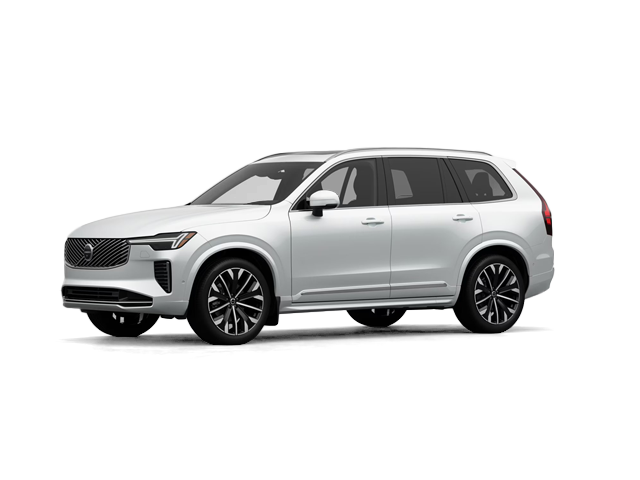
Photo for illustrative purposes only.
Find out moreVolvo Cars Hamilton

A deer at the edge of the road at dusk. A moose standing in the middle of a dark highway. Most Canadian drivers have had a close call like this, or know someone who has. Large animals appear with little warning, and they are hard to see at night.
Volvo comes from Sweden, a country with plenty of moose and reindeer of its own, so this risk has shaped its safety work for years. Across the 2027 Volvo lineup, several technologies work together to spot large animals, warn the driver, slow the car and even alert other drivers nearby. Here is how each layer works.
Why Large Animals Call for Special Attention
Most collision avoidance systems started with other cars. Animals are a harder problem. They do not follow lanes, signals or traffic rules. They often move at dawn, dusk and night, when a driver's view is at its weakest. And they can step out from trees or a ditch in a second.
That is why Volvo designs its safety technology to recognize large animals as their own type of hazard, alongside vehicles, pedestrians and cyclists.
Layer One: Detection, Day or Night

The first job is to see the animal early. On 2027 models, Volvo's safety assistance technology can help detect other vehicles, pedestrians, cyclists and large animals, day or night.
The car watches the road ahead while you drive, and it does not get tired or distracted on a long trip.
Layer Two: A Warning, Then Automatic Braking
Detection only helps if something happens next. Volvo's system responds in two steps.
First, it warns the driver. An early alert gives you time to brake or steer on your own. Then, if the driver fails to react, the car applies the brakes automatically.
This order matters. The driver stays in control whenever possible, and the car steps in only when time is running out.
Layer Three: Braking and Steering Support in the XC90
The XC90 adds steering to the response. It can use both braking and steering to help avoid collisions with other vehicles, pedestrians, cyclists and large animals, including, in Volvo's words, the moose from its native Sweden.
The same seven-seat SUV uses radar and a front camera to detect if you have drifted into the oncoming lane, and it can steer you back into your own. It also helps you avoid leaving the road by accident, which is a real risk when a driver swerves around an animal.
Layer Four: Large Animal Alert on the EX60 and EX90
The newest layer lets Volvo cars help one another. Volvo Cars' connected safety technology, first launched in 2016, shares real-time hazard alerts based on data from other cars. A new feature called Large Animal Alert extends that idea to wildlife.
Large Animal Alert joins existing connected features such as Slippery Road Alert and Hazard Light Alert. More than 1 million Volvo cars have activated connected safety technology, and every one that shares an alert gives the drivers behind it more time to slow down.
When a Collision Cannot Be Avoided
No system can prevent every collision. When contact is unavoidable, the goal shifts to reducing the impact. Volvo's active safety technology is designed to help avoid a collision or reduce its force, and automatic braking in the final moments lowers the speed of the car.
After that, the structure of the car goes to work. The XC90 is built around an advanced safety cage. The 2027 EX60 has a safety cage strengthened with boron steel, and its multi-adaptive front safety belts are designed to give more personalized protection to the people in the front row.
What Drivers Can Still Do
Technology works best alongside a careful driver. A few habits make a real difference in wildlife areas.
Key Takeaways

|
Volvo Technology |
How It Helps With Large Animals |
|---|---|
|
Large animal detection (V60 Cross Country, V90 Cross Country) |
Helps detect large animals ahead, day or night |
|
Driver warning and automatic braking |
Warns the driver first, then brakes if the driver fails to react |
|
Braking and steering support (XC90) |
Uses braking and steering to help avoid a collision |
|
Large Animal Alert (EX60, EX90, ES90) |
Warns other drivers when a large animal is detected on or near the road ahead |
|
Connected safety network |
More than 1 million Volvo cars sharing hazard alerts in real time |
|
Safety cage and safety belts |
Help protect occupants if a collision cannot be avoided |
Learn More at Volvo Cars Hamilton
Safety technology is easier to trust once you understand how it works. Visit our team at Volvo Cars Hamilton in Hamilton to learn more about large animal detection, Large Animal Alert and the other systems that look out for you on every drive. We are happy to walk you through the features on the Volvo model that interests you.
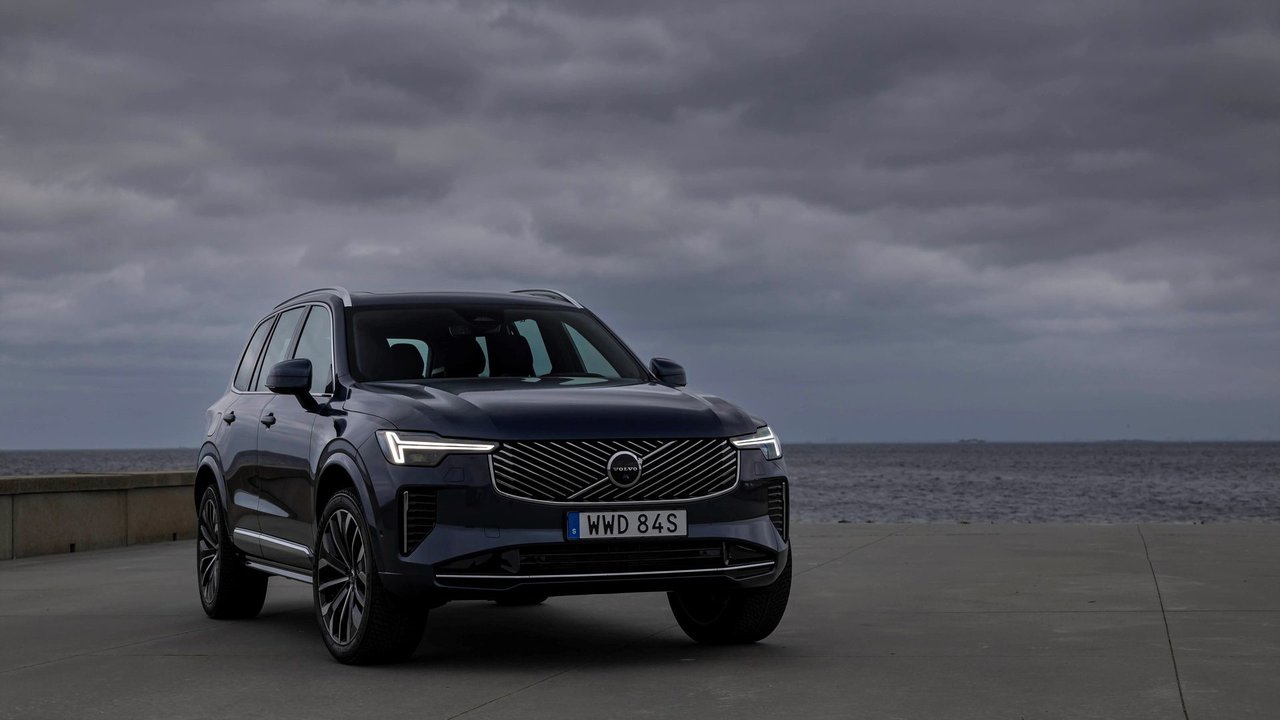
Photo for illustrative purposes only.
Find out more
How to Prepare Your Volvo for Fall and Winter
Cooler mornings and shorter days are the first signs that driving conditions are about to change. A little preparation in the fall makes for calm,...
Read more
How to Choose Between the 2026 Volvo XC60 Plug-In Hybrid and the 2027 Volvo EX60
Volvo builds two mid-size SUVs that let you drive on electricity, and each one does it in its own way. The 2026 XC60 T8 plug-in hybrid pairs a gas...
Read more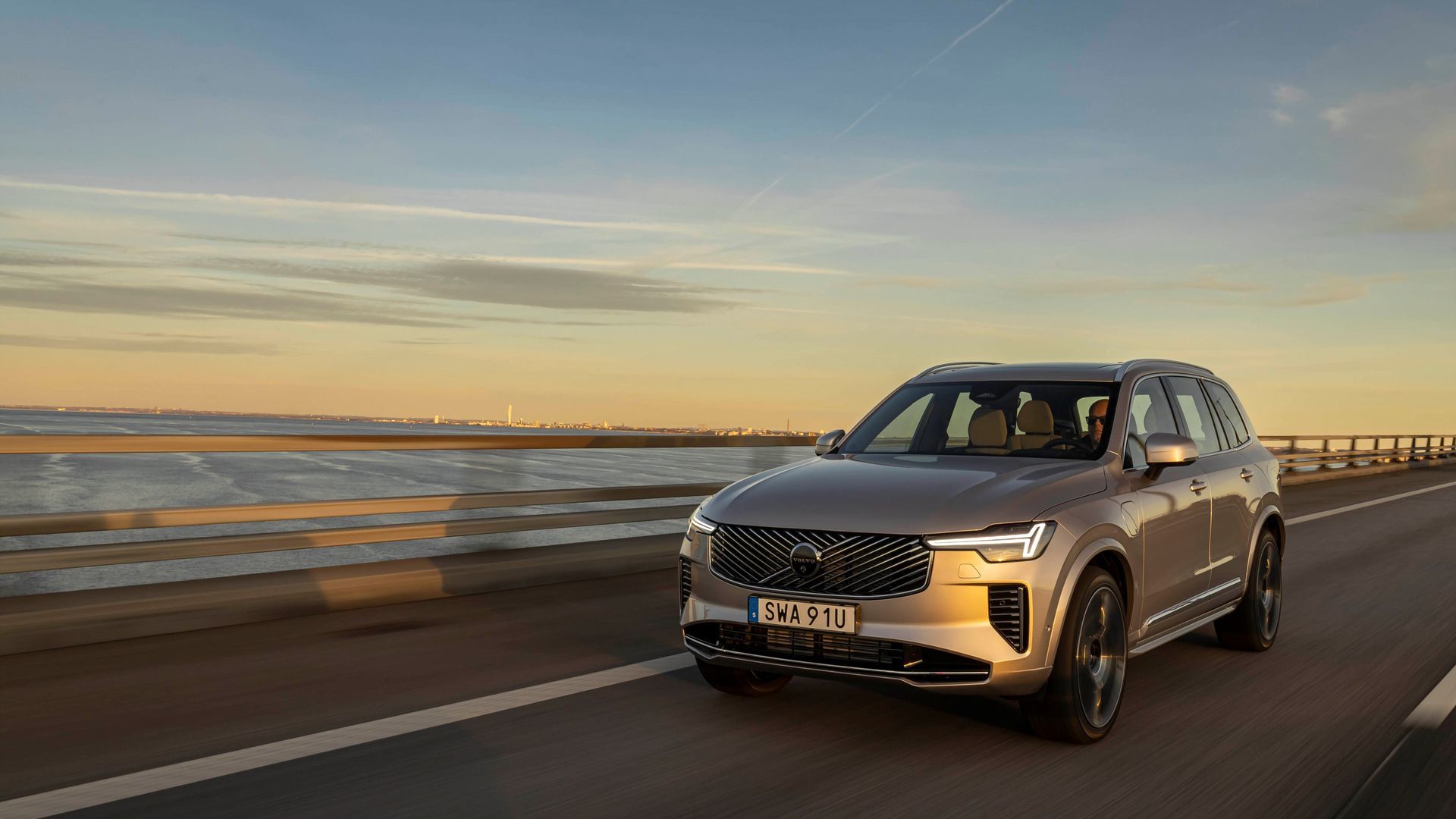
What Makes the 2027 Volvo XC90 a Friend of Families?
Family life asks a lot from a vehicle. It has to carry children, grandparents, friends, sports gear and groceries, often all in the same week. It...
Read morePowered and developed by
