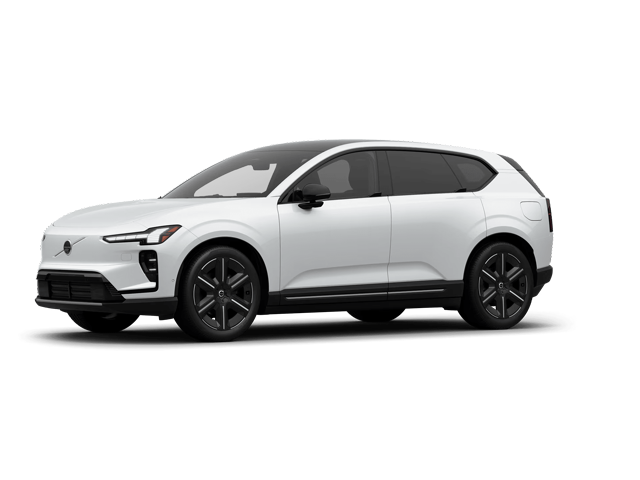
Photo for illustrative purposes only.
Find out moreVolvo Cars Hamilton

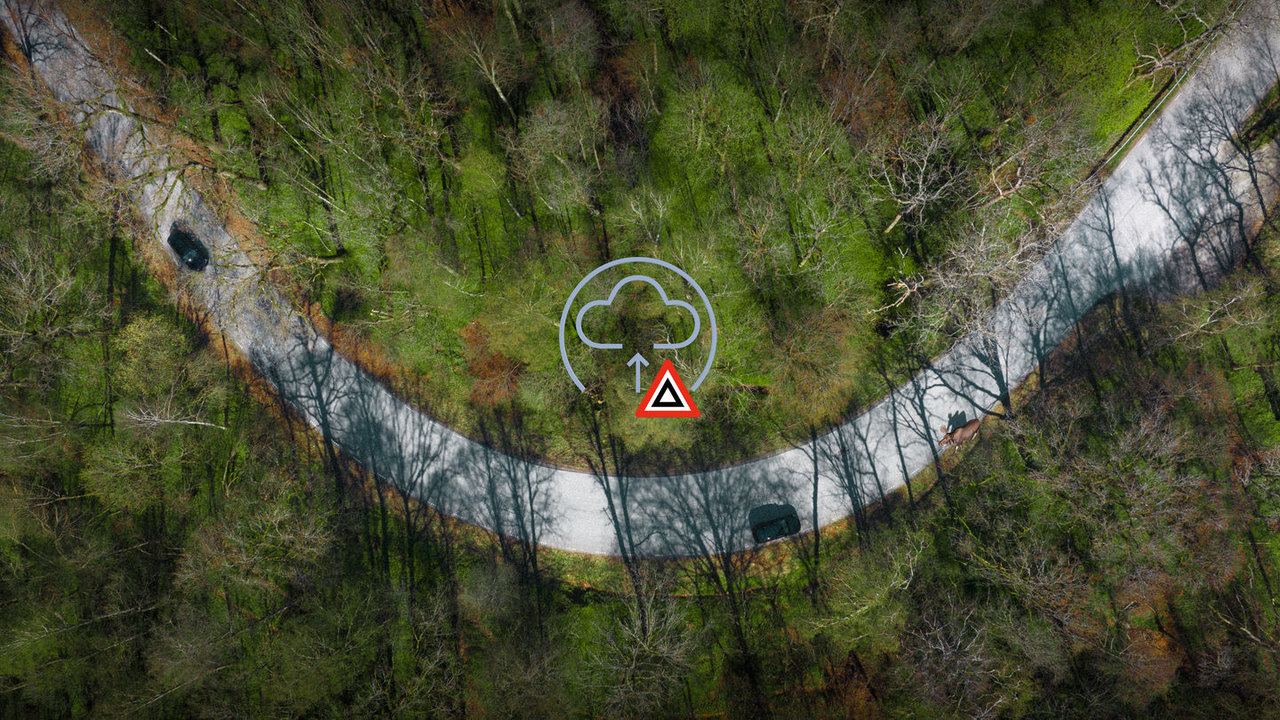
No driver can see everything coming, especially around a blind curve or in poor weather. Volvo has spent years building technology that helps close that gap, and the EX60 carries some of the most advanced hazard alert features in the lineup.
If you are curious how a car can warn you about danger before you even see it, here is how the EX60's connected safety system works.
Built on a Decade of Connected Safety
Volvo first introduced connected safety technology in 2016, using real-time data shared from other cars on the road to alert drivers of hazards ahead. More than 1 million Volvo cars have now activated this connected safety tech, turning everyday trips into a shared source of road information.
The EX60 builds on that foundation with four newer alerts layered on top of existing features like Slippery Road Alert and Hazard Light Alert.
Four New Ways the EX60 Watches the Road Ahead
These alerts are especially useful in low-visibility conditions, such as winding roads or poor weather, where a driver might not spot trouble until it is too close for comfort.
A Shared Safety Network
What makes this system stand out is how the information travels. Through the European Data for Road Safety ecosystem, alert data collected by Volvo cars can also be shared with vehicles from other brands and with national traffic management centres. That means a hazard detected by one connected Volvo can help protect drivers well beyond the Volvo lineup.
“Built on decades of our real-world safety insight, these innovations represent another step towards our vision of zero collisions,” says Åsa Haglund, head of Volvo Cars Safety Centre. “Every time a Volvo car shares safety intelligence, it helps other drivers prepare earlier to avoid accidents and feel safer.”
Software That Keeps Improving
Like the rest of the EX60, these connected safety features arrive through a software update rather than requiring a trip to the dealership for new hardware. Volvo Cars has been recognized by S&P Global Mobility as the only legacy carmaker to reach Level 5 capability in software-defined cars, which is part of how the company keeps adding features like these to cars already on the road.
More Than Just Alerts

The connected safety alerts work alongside the EX60's broader safety foundation rather than standing alone. The EX60 is built around the Volvo Cars Safety Standard, going above and beyond regulations and rating requirements, with advanced sensors and core computing continuously monitoring the car's surroundings. At the centre of that setup is the multi-adaptive safety belt, a world-first Volvo innovation designed to offer smarter, more personalized protection for front-seat occupants depending on the situation.
That combination of proactive alerts and structural protection reflects how Volvo approaches safety in layers. The connected alerts are designed to help a driver avoid a dangerous situation altogether, while the car's structure and restraint systems are there to help protect occupants if a collision cannot be avoided.
Delivered the Way Volvo Delivers Everything Now
Because these alerts arrive through the same kind of over-the-air software update used across the rest of the EX60's technology, the car does not need a dealership visit or new hardware to gain the feature. That approach lines up with how Volvo has built the EX60 from the start, as a car meant to improve after it leaves the factory rather than stay fixed at the specification it had on day one.
The same software update that introduced these connected safety alerts also expanded the audio experience in related Volvo models with Spatial Audio support in Apple CarPlay, a reminder that these updates tend to touch more than one part of the car at once. For EX60 drivers, though, the headline is straightforward: more advance warning, delivered automatically, without any extra effort required behind the wheel.
Why Early Warning Matters
A few extra seconds of notice can be the difference between reacting calmly and reacting in a panic. Whether that means easing off the accelerator before a deer steps onto the road, giving a cyclist more space near a highway on-ramp, or slowing down well before reaching a stretch of roadwork, these alerts are built to work quietly in the background until the moment they are needed.
Key Takeaways
|
Alert |
What It Warns About |
|---|---|
|
Large Animal Alert |
Large animals on or near the road |
|
Vulnerable Road User Alert |
Pedestrians and cyclists near highways |
|
Roadwork Alert |
Roadwork ahead |
|
Accident Ahead Alert |
Accidents further down the road |
See It for Yourself at Volvo Cars Hamilton
Hazard alerts like these are built to give you a few extra seconds to react, which can make a real difference on the road. If you would like to see how the EX60's safety technology works up close, stop by our team in Hamilton to find out more.
Photo for illustrative purposes only.
Find out more
The First Details About the Extended-Range 2028 Volvo XC60 and XC90 PHEVs
Volvo has stretched the electric range on two of its plug-in hybrid SUVs, and both the XC60 and XC90 now share the same updated powertrain...
Read more
Natural Resources Canada Increases Its Range Rating for the 2027 Volvo EX60 to 531 km
Range numbers matter when you are thinking about going electric, and the Volvo EX60 just picked up some good news on that front. Natural Resources...
Read more
What Can the Volvo Cars App Do for You?
If you drive a Volvo, there is a good chance you have seen the Volvo Cars app on your phone but never dug into everything it can do. It is built to...
Read morePowered and developed by
