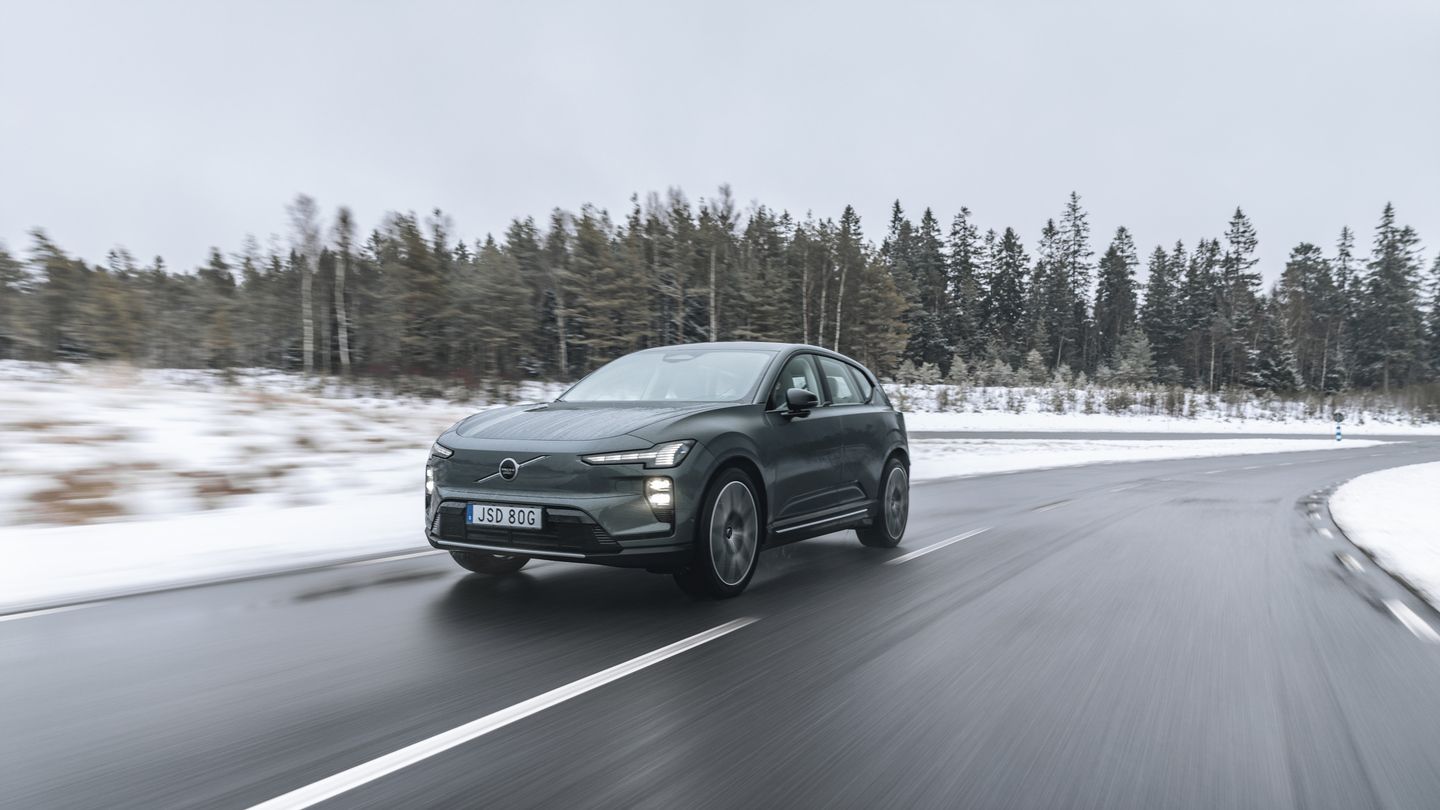
How to Prepare Your Volvo for Fall and Winter
Cooler mornings and shorter days are the first signs that driving conditions are about to change. A little preparation in the fall makes for calm,...
Read moreVolvo Cars Hamilton

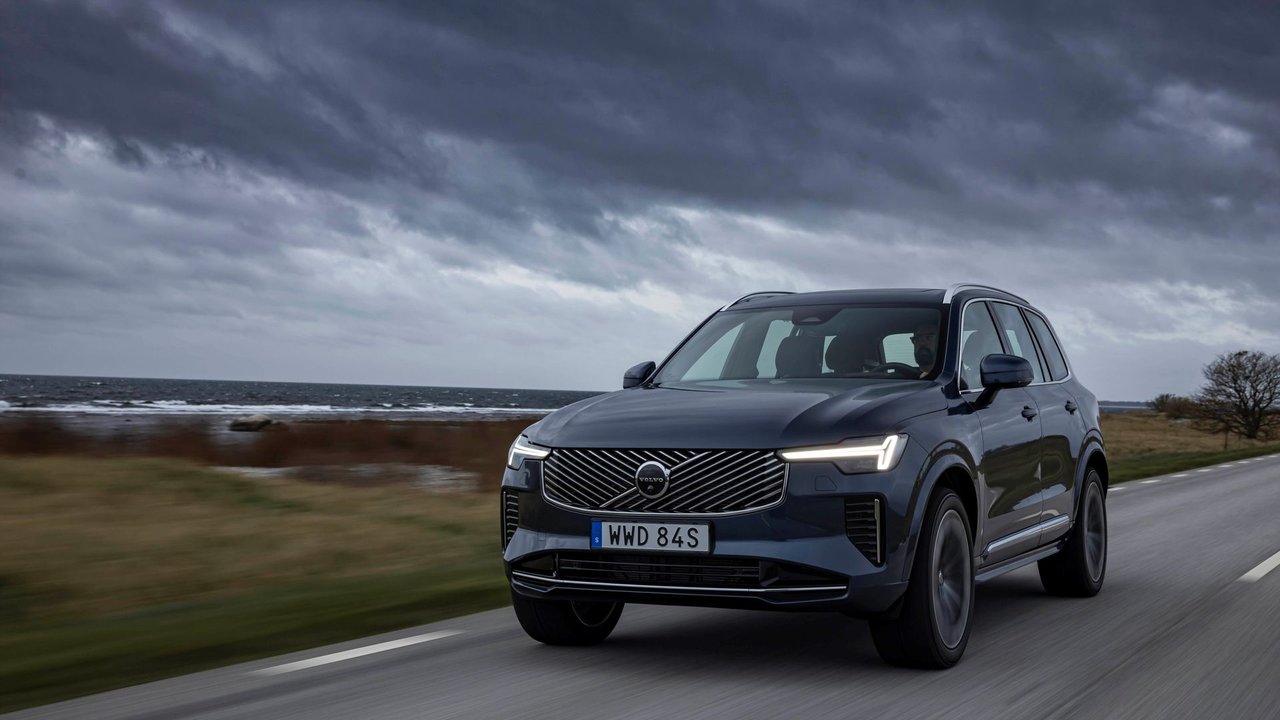
Modern vehicles incorporate numerous sensors and cameras directed at the road ahead, monitoring surroundings for potential hazards. The 2025 Volvo XC60 and XC90 add a different dimension to safety monitoring: cameras directed at the driver. This technology, marketed as the Driver Understanding System, tracks driver attention, distraction, and signs of drowsiness—intervening before inattention leads to collisions.
For Hamilton drivers navigating Highway 403 during rush hour or making late-night drives on the QEW, distraction and fatigue represent measurable collision risks. Transport Canada data indicates that driver inattention contributes to a significant percentage of serious crashes. The Driver Understanding System addresses this reality by continuously monitoring driver behavior and escalating interventions when attention shifts away from the road.
What the System Monitors
The Driver Understanding System uses two driver-facing cameras mounted in the dashboard. One camera tracks eye movement and gaze direction, determining where the driver is looking and for how long. The second camera captures head position and orientation. Together, these cameras build a real-time model of driver attention.
The system does not simply detect whether eyes are open or closed. Instead, it analyzes multiple factors: how frequently the driver's gaze leaves the road, duration of those glances, whether the head turns away from the forward direction, and patterns of blinking or eye movement that indicate drowsiness. This information combines with data from the vehicle's other systems—steering wheel angle, lane position, vehicle speed, and steering corrections—to assess overall attentiveness.
The technology differentiates between normal driving behaviors and concerning patterns. Brief glances to the rearview mirror, side mirrors, or instrument cluster are expected and do not trigger warnings. Extended periods where the driver's gaze remains fixed on the center display, looks down toward a phone, or repeatedly drifts toward the passenger side indicate problematic distraction. Similarly, the system distinguishes between deliberate, smooth steering inputs and the small, frequent corrections that characterize drowsy driving.
Intervention Levels and Escalation
The Driver Understanding System operates on a graduated intervention model. Initial warnings are subtle, designed to refocus attention without startling the driver. If inattention continues, interventions become progressively more assertive.
Level 1: Visual and Audible Warnings
When the system detects initial signs of reduced attention—such as extended glances away from the road combined with minor lane drift—it displays a visual alert in the instrument cluster. This typically appears as a coffee cup icon with text suggesting a break. A gentle audible tone accompanies the visual cue.
These alerts address situations where the driver has begun to lose focus but has not yet created an immediate hazard. The intervention serves as a reminder to refocus on driving or consider pulling over if fatigue is the underlying cause. Many drivers find this early warning valuable for recognizing their own declining attention before it becomes dangerous.
Level 2: Steering Corrections
If the driver fails to respond to visual and audible warnings and continues displaying inattention—particularly if the vehicle begins drifting within or out of the lane—the system initiates gentle steering corrections. This functions through the Lane Keeping Aid system, which uses the forward-facing camera to detect lane markings.
The steering intervention feels similar to the resistance encountered when parallel parking close to a curb with electric power steering. It's sufficient to guide the vehicle back toward the lane center but not forceful enough to feel alarming. The driver can override this intervention at any time by applying deliberate steering input. This level addresses situations where the driver's attention has lapsed long enough that the vehicle's path is becoming erratic.
Level 3: Automatic Braking
The highest intervention level activates only when the driver shows no response to previous warnings and the vehicle's monitoring systems detect an imminent collision risk. This combines input from the Driver Understanding System, forward collision warning, and lane departure detection.
If the driver-facing cameras indicate the driver is completely inattentive (eyes closed, head tilted away from the road, or gaze fixed elsewhere) while the forward-facing systems detect a stopped vehicle ahead, a pedestrian in the path, or departure from the road surface, the system initiates automatic braking. This intervention aims to reduce collision severity or avoid the crash entirely when the driver has become completely non-responsive.
This level represents a last-resort intervention. It activates only when multiple systems confirm both driver inattention and immediate danger. The goal is not to enable inattentive driving but to provide a safety net when normal interventions have failed.
Real-World Scenarios Where the System Activates
Understanding when and why the system intervenes clarifies its practical value for Ontario driving conditions.
Highway Hypnosis on Long Straight Roads
Sections of Highway 401 between London and Windsor, or portions of Highway 11 north of Barrie, feature long stretches of straight, monotonous road. These conditions often lead to "highway hypnosis," where drivers maintain lane position and speed while experiencing reduced awareness of surroundings.
The Driver Understanding System detects this state through analysis of micro-corrections in steering and reduced frequency of deliberate eye movements. Even when the driver maintains lane position, the system recognizes the pattern of diminished attention and issues alerts suggesting a rest break before fatigue becomes critical.
Distraction in Stop-and-Go Traffic

Dense traffic on the QEW or Highway 403 during evening rush hour creates frustration and boredom. Drivers frequently reach for phones, adjust entertainment systems, or engage in extended conversations with passengers while traffic moves slowly.
When the system detects the driver's gaze fixed on the center display for extended periods, combined with the vehicle moving at low speed in traffic, it issues visual and audible warnings. If the driver continues looking away while the vehicle ahead brakes, the forward collision warning and automatic braking systems prepare to intervene. This addresses the common scenario where a driver looks down at their phone while stopped, fails to notice traffic resuming, and rear-ends the vehicle ahead.
Late-Night Drowsiness
Drivers returning to Hamilton from Toronto events or cottage weekends after dark face increased drowsiness risk, particularly after midnight. The combination of darkness, monotonous highway driving, and natural circadian rhythms creates conditions where attention lapses occur.
The system monitors for drowsiness indicators: extended periods between blinks, slower blink speed, gradual head drooping, and increasing frequency of lane position corrections. When these patterns emerge, the system issues coffee cup warnings and suggests rest stops before the driver reaches a dangerous level of impairment. This early intervention encourages drivers to stop before fatigue progresses to the point where they might fall asleep at the wheel.
Privacy and Data Handling
The use of driver-facing cameras raises privacy considerations that Volvo addresses through specific technical and policy constraints.
The camera system processes data locally within the vehicle's computers. Images are analyzed in real-time to extract relevant information (gaze direction, head position, eye state) but the actual video footage is not stored or transmitted. The system retains no visual record of the driver's face or activities inside the vehicle.
Data about intervention frequency and types—such as how many times the system issued warnings during a trip—is logged in aggregate form for safety analysis and system improvement. This data does not include identifying information about individual drivers and cannot be used to reconstruct what the driver was doing or looking at.
The system operates independently of any wireless connectivity. It does not transmit data to Volvo servers, insurance companies, or third parties. The technology functions identically whether the vehicle has an active cellular connection or not.
Drivers can review system status through the vehicle settings menu, which displays basic information about when the Driver Understanding System is active and what factors it monitors. However, the system cannot be permanently disabled, as it is integrated into the vehicle's core safety architecture. This design reflects Volvo's position that certain safety features should remain active regardless of driver preferences.
Comparison to Traditional Driver Monitoring Systems
Earlier driver monitoring technologies relied on simpler inputs. Basic drowsiness detection systems monitored steering wheel movements, looking for the pattern of small corrections that indicate reduced attention. These systems provided value but generated frequent false alerts, particularly on winding roads where constant steering input is normal.
Some systems used only time-based alerts, issuing break recommendations after a fixed duration of highway driving—typically 2 hours. This approach ignored individual differences in fatigue resistance and failed to account for varying driving conditions.
The Driver Understanding System combines multiple data sources to build a more complete assessment. By analyzing both driver behavior (eye tracking, head position) and vehicle behavior (steering inputs, lane position), the system reduces false alerts while improving detection of genuine attention problems. The graduated intervention approach also allows for proportionate responses rather than binary warnings.
System Limitations and Driver Responsibility
The Driver Understanding System enhances safety but does not replace driver responsibility. Several limitations require acknowledgment.
The system cannot detect all forms of cognitive distraction. A driver whose eyes remain on the road but whose mind is preoccupied with personal concerns may pass the system's attention checks while still experiencing reduced awareness. The technology monitors physical indicators of distraction but cannot assess mental engagement.
Sunglasses, particularly polarized or mirrored types, can interfere with eye tracking accuracy. The system typically continues functioning with sunglasses but may experience reduced precision in determining exact gaze direction. Very dark tinted glasses may prevent the system from operating properly, in which case it issues a notification that the driver should remove them or the system will revert to traditional lane-keeping warnings.
The system's effectiveness depends on proper calibration to the individual driver. When multiple drivers regularly use the same vehicle, the system must adapt to different eye positions, head sizes, and driving styles. The technology learns these variations over time but may require an adaptation period after a driver change.
Environmental conditions can affect system operation. Direct sunlight on the driver's face, particularly during sunrise or sunset when the sun is at windshield level, can create glare that interferes with camera accuracy. The system alerts the driver when conditions prevent proper monitoring, reverting to traditional lane-keeping and collision warning systems.
Key Takeaways
Experience Driver Understanding Technology at Volvo Cars Hamilton
The Driver Understanding System represents one element of Volvo's broader safety philosophy: preventing accidents before they occur rather than solely protecting occupants during crashes. For Hamilton drivers who regularly face the attention challenges of highway commuting, stop-and-go traffic, and late-night driving, the technology provides an additional layer of protection against the momentary lapses that can lead to serious consequences. Visit our Hamilton location to experience the system and learn how it integrates with the XC60 and XC90's other safety technologies.
How to Prepare Your Volvo for Fall and Winter
Cooler mornings and shorter days are the first signs that driving conditions are about to change. A little preparation in the fall makes for calm,...
Read more
How to Choose Between the 2026 Volvo XC60 Plug-In Hybrid and the 2027 Volvo EX60
Volvo builds two mid-size SUVs that let you drive on electricity, and each one does it in its own way. The 2026 XC60 T8 plug-in hybrid pairs a gas...
Read more
How 2027 Volvo Vehicles Help Prevent and Mitigate Collisions with Large Animals
A deer at the edge of the road at dusk. A moose standing in the middle of a dark highway. Most Canadian drivers have had a close call like this, or...
Read morePowered and developed by
