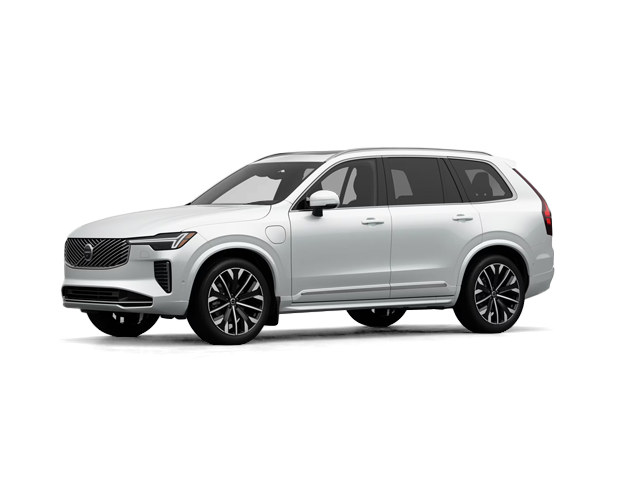
Photo for illustrative purposes only.
Find out moreVolvo Cars Hamilton

Plug-in hybrid vehicles occupy a unique position in the automotive landscape. For drivers in Hamilton and across Ontario, they offer a practical solution to a common dilemma: the desire for electric driving without the limitations of charging infrastructure or range constraints.
Volvo's plug-in hybrid system, found in the XC60 T8 and XC90 T8, delivers this balance through a dual-powertrain design. The system pairs an 18.8 kWh lithium-ion battery with a turbocharged 2.0-litre four-cylinder engine, enabling electric-only driving for daily commutes while maintaining the flexibility of extended range for longer trips. In 2025, Volvo Car Canada sold 3,660 plug-in hybrid vehicles—representing 25 percent of total sales—confirming strong demand for this approach to electrification without compromise.
How the Dual-Powertrain System Functions
The plug-in hybrid system in both the XC60 T8 and XC90 T8 uses two distinct power sources that operate independently or together depending on driving conditions.
The 18.8 kWh battery pack is centrally mounted in the vehicle's tunnel, providing a low center of gravity for stability. This battery supplies power to a 143 hp electric motor mounted on the rear axle, delivering 228 lb-ft of torque. The front wheels are driven by the 2.0-litre turbocharged engine, which produces 312 hp and 295 lb-ft of torque on its own.
When combined, the system delivers 455 hp and 523 lb-ft of total output, with all-wheel drive capability as a standard feature. The vehicle's control system automatically determines which power source to use based on battery charge level, driver input, and road conditions.
In electric-only mode, the XC60 T8 can travel 58 km on a full charge, while the XC90 T8 offers 53 km of battery range. For many Hamilton drivers, this covers the daily commute to downtown or Burlington without using any gasoline. When the battery depletes, the system transitions to the gasoline engine or operates in hybrid mode, blending both power sources for optimal efficiency.
Charging Requirements and Options
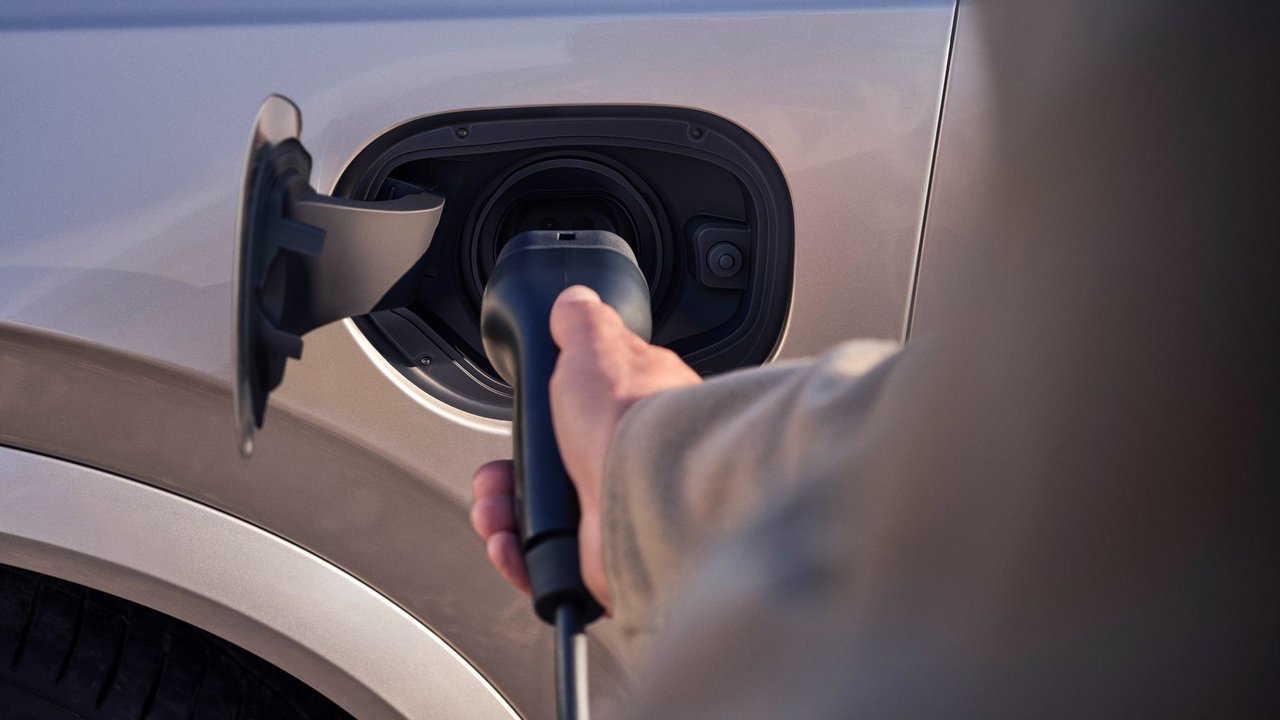
Charging a plug-in hybrid is simpler than many drivers expect. The system uses standard Level 2 charging equipment, which is the same type used for full battery-electric vehicles.
At home, drivers can use a 240-volt outlet with varying amperage. At 16 amps, a full charge takes approximately 5 hours. At 10 amps, the time extends to 7 hours. At the lowest setting of 6 amps, charging requires 12 hours. Most owners charge overnight, ensuring a full battery each morning.
Public Level 2 charging stations work identically to home equipment. Hamilton has multiple public charging locations, including sites at municipal facilities and retail locations throughout the city. The XC60 T8 and XC90 T8 do not support DC fast charging, as the smaller battery size makes rapid charging unnecessary for typical usage patterns.
The charging port is located on the driver's side rear quarter panel. A cable is included with the vehicle, and the system provides real-time charging status through the vehicle's center display and the Volvo Cars app.
Real-World Driving Scenarios for Ontario
The plug-in hybrid design addresses specific challenges common to Ontario driving patterns.
For the daily commute from Hamilton to Burlington or Oakville, the 53-58 km electric range covers the round trip on battery power alone. This eliminates fuel costs for weekday driving while producing zero tailpipe emissions. The vehicle automatically recharges during overnight hours at home.
Weekend trips to cottage country or Niagara require no planning beyond filling the fuel tank. The gasoline engine provides several hundred kilometres of additional range, removing any concern about charging availability in rural areas. The 71-litre fuel tank in both models supports extended driving without frequent stops.
Winter weather affects electric range, as cold temperatures reduce battery efficiency. In typical Ontario winter conditions, drivers can expect the electric range to decrease by approximately 30-40 percent. However, the gasoline engine immediately compensates for this loss, maintaining total vehicle range without inconvenience.
Highway driving above 100 km/h automatically engages the gasoline engine to optimize efficiency. The electric motor supplements acceleration and provides additional power when needed, but the combustion engine handles sustained high-speed cruising more efficiently than battery power alone.
Regenerative Braking and Energy Recovery

The plug-in hybrid system recovers energy during deceleration through regenerative braking. When the driver releases the accelerator or applies the brakes, the electric motor reverses function and operates as a generator, converting kinetic energy back into electrical energy stored in the battery.
This process occurs automatically and transparently. The brake pedal feels conventional, as the system blends regenerative braking with traditional friction braking seamlessly. In stop-and-go traffic common on Highway 403 or the QEW, regenerative braking extends electric range by capturing energy that would otherwise be lost as heat.
The driver can adjust regenerative braking strength through the vehicle's drive mode settings. Higher regeneration provides more aggressive deceleration when lifting off the accelerator, which some drivers prefer in urban environments. Lower regeneration creates a more traditional coasting feel suitable for highway driving.
Fuel Efficiency and Operating Costs
Plug-in hybrids deliver fuel efficiency that varies significantly based on charging frequency and driving habits.
When operating on battery power alone, the XC60 T8 and XC90 T8 consume no gasoline. For drivers who charge daily and complete most trips within the electric range, fuel consumption can approach zero for weeks at a time.
When the battery is depleted and the vehicle operates in hybrid mode, the XC60 T8 achieves 8.5 L/100 km combined fuel economy. The XC90 T8 achieves 8.9 L/100 km combined. These figures represent efficiency comparable to much smaller vehicles, despite the size and capability of these SUVs.
Natural Resources Canada rates the XC60 T8 at 3.5 Le/100 km combined, which reflects a blend of electric and gasoline operation. The XC90 T8 is rated at 3.8 Le/100 km combined. These ratings assume regular charging, which most owners maintain as part of their routine.
Operating costs depend heavily on the ratio of electric to gasoline driving. Ontario electricity rates average approximately $0.10-0.15 per kWh depending on time of use. A full charge of the 18.8 kWh battery costs roughly $2-3, providing 50+ km of driving. Gasoline, by comparison, costs significantly more per kilometre traveled.
Key Takeaways
|
Feature |
XC60 T8 |
XC90 T8 |
|---|---|---|
|
Battery Capacity |
18.8 kWh (nominal) |
18.8 kWh (nominal) |
|
Electric Range |
58 km |
53 km |
|
Combined Power |
455 hp |
455 hp |
|
Combined Torque |
523 lb-ft |
523 lb-ft |
|
Fuel Economy (Hybrid Mode) |
8.5 L/100 km combined |
8.9 L/100 km combined |
|
Charging Time (Level 2, 16A) |
~5 hours |
~5 hours |
|
Seating Capacity |
5 |
6 or 7 |
Experience Plug-in Hybrid Technology at Volvo Cars Hamilton
Understanding how plug-in hybrid technology works provides the foundation for determining whether it suits your driving needs. For Hamilton drivers who maintain regular charging habits and complete most daily trips within 50 km, the XC60 T8 and XC90 T8 deliver the benefits of electric driving without the constraints of battery-only vehicles. Visit our team in Hamilton to explore how this powertrain fits your lifestyle.
Photo for illustrative purposes only.
Find out more
How to Prepare Your Volvo for Fall and Winter
Cooler mornings and shorter days are the first signs that driving conditions are about to change. A little preparation in the fall makes for calm,...
Read more
How to Choose Between the 2026 Volvo XC60 Plug-In Hybrid and the 2027 Volvo EX60
Volvo builds two mid-size SUVs that let you drive on electricity, and each one does it in its own way. The 2026 XC60 T8 plug-in hybrid pairs a gas...
Read more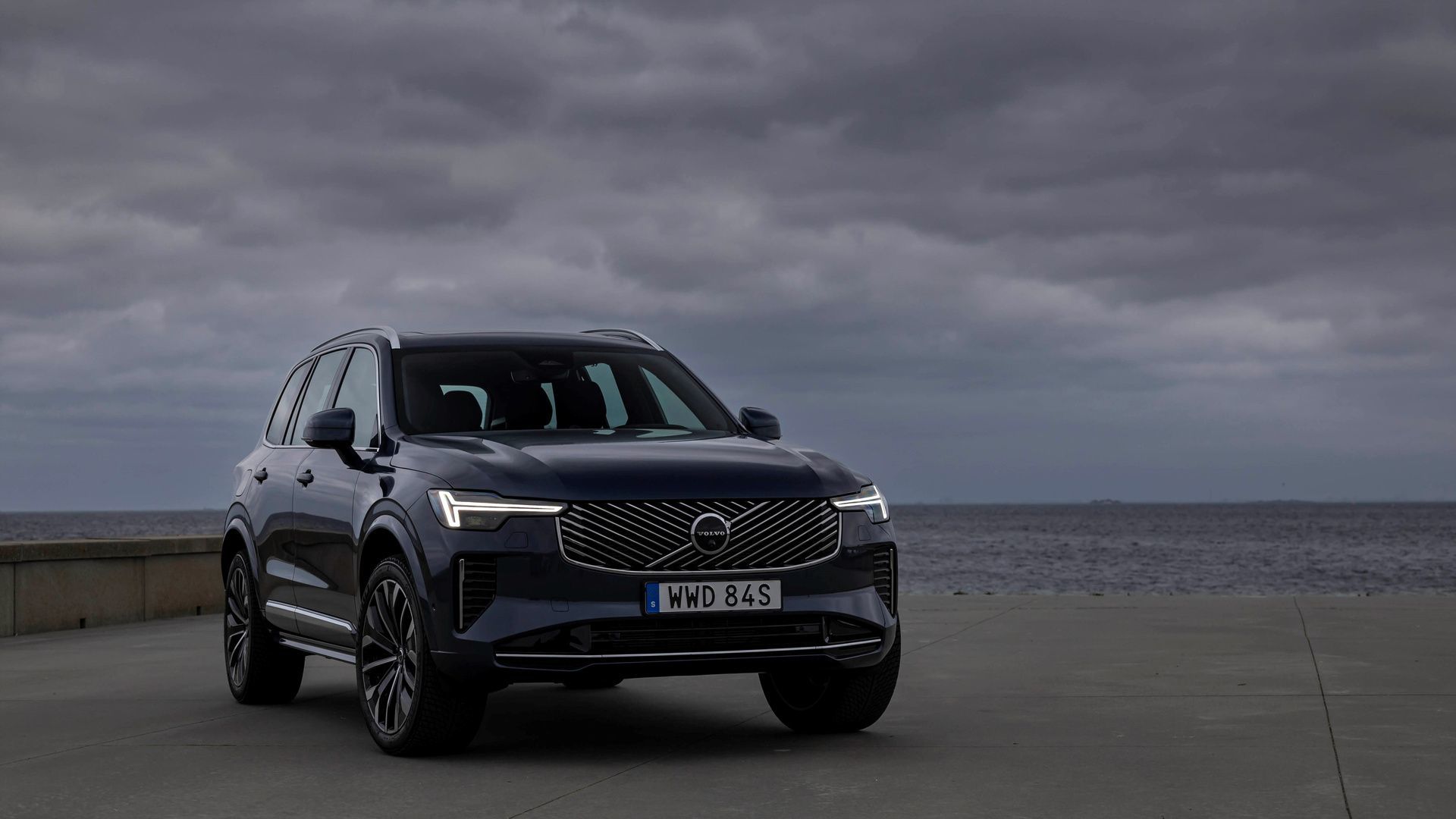
How 2027 Volvo Vehicles Help Prevent and Mitigate Collisions with Large Animals
A deer at the edge of the road at dusk. A moose standing in the middle of a dark highway. Most Canadian drivers have had a close call like this, or...
Read morePowered and developed by
