How to Prepare Your Volvo for Fall and Winter
Cooler mornings and shorter days are the first signs that driving conditions are about to change. A little preparation in the fall makes for calm,...
Read moreVolvo Cars Hamilton

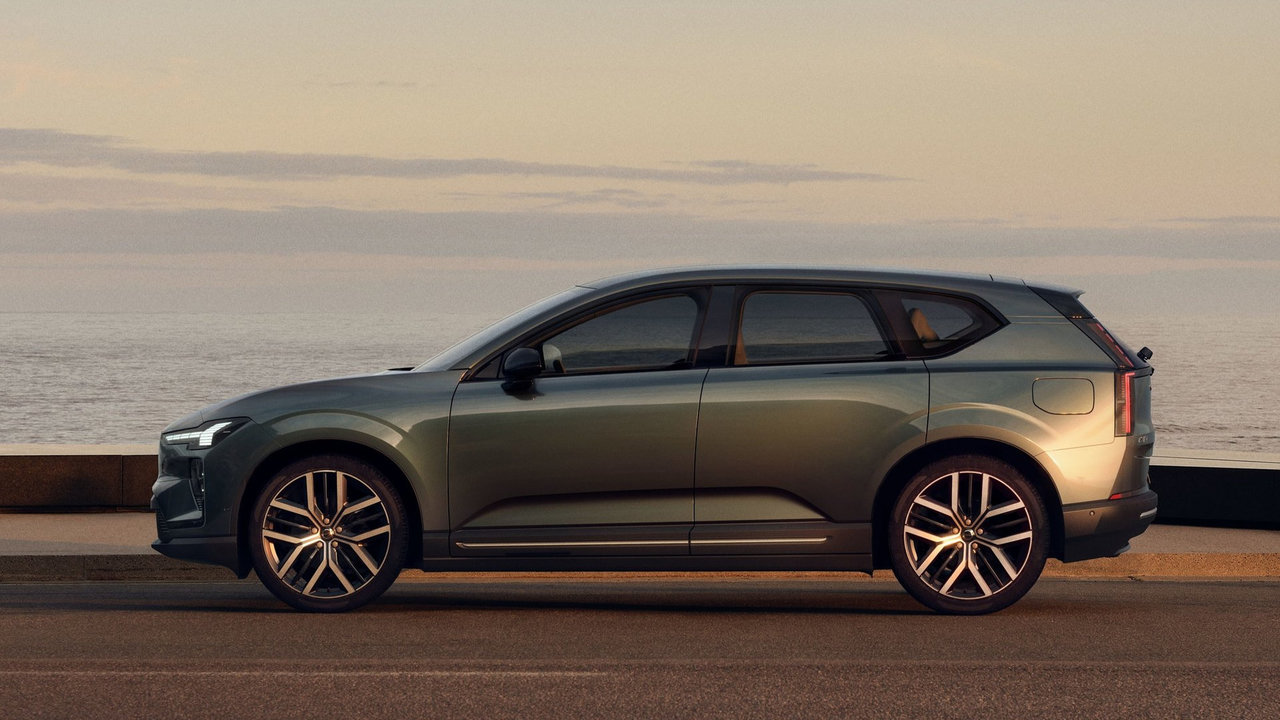
The 2027 Volvo EX60 represents a fundamental shift in how electric vehicles are engineered. Revealed on January 21, 2026, this all-electric mid-size SUV introduces cell-to-body technology to the Volvo lineup—a construction method where the battery pack becomes a structural component of the vehicle rather than a separate add-on. For drivers in Hamilton and across Ontario considering the transition to electric vehicles, understanding this engineering approach explains why the EX60 delivers up to 640 kilometres of range in the P12 AWD variant while maintaining the handling dynamics expected from a premium SUV.
Traditional vehicle construction treats the battery as cargo. Electric vehicles built on adapted gasoline platforms typically mount battery packs beneath the floor, suspended in protective housings. This approach adds weight and raises the vehicle's centre of gravity. Cell-to-body integration takes a different path: the battery becomes part of the chassis itself, eliminating redundant structural elements and distributing loads more efficiently.
How Cell-to-Body Technology Works
In the EX60's SPA3 platform, individual battery cells are bonded directly to the floor structure. This creates a rigid, load-bearing assembly that replaces traditional battery enclosures and portions of the underbody framework. The battery isn't simply carried by the vehicle—it helps hold the vehicle together.
This integration reduces weight in two ways. First, it eliminates the need for a separate battery housing with its own protective structure. Second, because the battery assembly contributes to chassis rigidity, engineers can use thinner materials in surrounding structures without compromising safety or strength. Every kilogram saved translates directly to extended range, as the electric motors consume less energy moving a lighter vehicle.
The EX60 combines cell-to-body technology with mega casting, a manufacturing process that replaces hundreds of smaller stamped and welded parts with single high-precision aluminum castings. The rear structure, traditionally assembled from numerous components, becomes a single piece. This approach further reduces weight, minimizes potential failure points, and improves manufacturing consistency.
Real-World Benefits for Ontario Drivers
Range anxiety remains the primary concern preventing many drivers from choosing electric vehicles. The EX60's 640-kilometre range in the P12 AWD variant addresses this directly. To put that in perspective, a driver could travel from Hamilton to Ottawa (approximately 450 kilometres) with range to spare, even accounting for winter conditions that typically reduce electric vehicle efficiency by 20 to 30 percent.
Weight reduction from cell-to-body construction contributes to this range in measurable ways. The new battery cell design balances energy density and power delivery, optimized for real-world driving rather than laboratory test cycles. The result is a vehicle that delivers consistent performance whether navigating Highway 403 during rush hour or maintaining highway speeds on the QEW in February.
The structural advantages extend beyond range. A lower centre of gravity improves handling stability, particularly in emergency maneuvers or during Ontario's unpredictable weather transitions. The rigid battery-integrated floor reduces body flex, creating a more connected driving feel and improving suspension performance. These characteristics make the EX60 handle more like a sport sedan than a traditional SUV, despite its 2,985-millimetre wheelbase and five-seat capacity.
Comparing Construction Methods

To understand cell-to-body's advantages, consider how traditional electric vehicles are built. The Volvo EX90, based on the SPA2 platform, uses a conventional battery pack design. The 111 kWh battery sits in a protective housing bolted to the underbody. This approach provides flexibility—the same platform can accommodate different battery sizes—but adds approximately 150 to 200 kilograms compared to integrated designs.
The EX60's SPA3 platform was designed as an electric-only architecture from the beginning. Without the need to accommodate internal combustion components or adapt existing structures, engineers could optimize every element for electric propulsion. The flat floor, enabled by the integrated battery, creates additional interior space. Rear seat legroom benefits from the extended wheelbase and absence of transmission tunnels, while cargo capacity remains competitive at 1,328 litres with seats folded.
Cell-to-body construction also improves crash performance. In a collision, energy disperses through the integrated battery structure rather than concentrating in isolated mounting points. The safety cage, strengthened with boron steel, works in conjunction with the battery assembly to manage impact forces. Volvo's multi-adaptive safety belt system, a world-first innovation available in the EX60, provides additional protection tailored to occupant size and seating position.
Manufacturing Innovation at Torslanda
The EX60 will be produced at Volvo's Torslanda plant in Sweden, where mega casting equipment has been installed specifically for SPA3 production. This manufacturing approach represents one of the automotive industry's most significant changes in decades.
Traditional body assembly involves stamping hundreds of individual parts, welding them together, and finishing the assembly with corrosion protection and paint. Mega casting reduces this complexity dramatically. A single high-pressure aluminum injection creates the rear underbody structure in approximately 90 seconds. The process requires significant upfront investment in equipment but delivers long-term benefits in reduced assembly time, improved quality consistency, and lower production costs.
These manufacturing efficiencies contribute to the EX60's accessible pricing. Canadian deliveries of the P10 AWD variant begin in fall 2026, with the model starting from $77,500 before freight, PDI, fees, and taxes. This positions the EX60 competitively against plug-in hybrid SUVs in Volvo's lineup while delivering full electric capability.
The SPA3 Platform's Future
The EX60 is the first vehicle built on SPA3, but the platform will underpin future Volvo electric vehicles. This scalability is intentional. By establishing a single electric architecture, Volvo can deploy improvements across multiple models through over-the-air software updates and hardware refinements in subsequent production runs.
The platform's 800-volt electrical system supports ultra-fast charging. At compatible 400 kW chargers, the EX60 can add 270 kilometres of range in 10 minutes—roughly the time required for a coffee break during highway travel. This charging speed, combined with the vehicle's extended range, eliminates the primary practical objections to electric SUV ownership for families in Hamilton who regularly travel between cities or to seasonal properties.
The EX60 also debuts Volvo's partnership with Google at a deeper level. The vehicle launches with Gemini, Google's AI assistant, integrated directly into the car's systems. This allows natural conversation without memorizing specific voice commands. The system understands context, learns driver preferences, and provides information through the vehicle's interface rather than requiring smartphone connectivity.
What This Means for Your Next Vehicle Decision
Cell-to-body construction represents the maturation of electric vehicle engineering. Early electric vehicles adapted existing platforms, accepting compromises in weight and efficiency. The EX60's ground-up electric design eliminates these compromises, delivering range and performance that match or exceed gasoline-powered SUVs.
For Hamilton drivers evaluating electric vehicles, the EX60 addresses the practical concerns that matter: sufficient range for both daily driving and longer trips, charging speed that fits within normal travel routines, interior space that accommodates families and cargo, and driving dynamics that maintain the premium feel expected from a Volvo.
The technology isn't theoretical—production begins in spring 2026 at Torslanda, with Canadian deliveries starting in fall 2026. Online configurations and deposits open this spring through Volvo's One Price Promise program, which provides pricing transparency and delivery estimates without negotiation.
Visit our team at Volvo Cars Hamilton in Hamilton to learn more about the EX60's engineering and how cell-to-body construction translates to real-world benefits for Ontario drivers.
How to Prepare Your Volvo for Fall and Winter
Cooler mornings and shorter days are the first signs that driving conditions are about to change. A little preparation in the fall makes for calm,...
Read more
How to Choose Between the 2026 Volvo XC60 Plug-In Hybrid and the 2027 Volvo EX60
Volvo builds two mid-size SUVs that let you drive on electricity, and each one does it in its own way. The 2026 XC60 T8 plug-in hybrid pairs a gas...
Read more
How 2027 Volvo Vehicles Help Prevent and Mitigate Collisions with Large Animals
A deer at the edge of the road at dusk. A moose standing in the middle of a dark highway. Most Canadian drivers have had a close call like this, or...
Read morePowered and developed by
