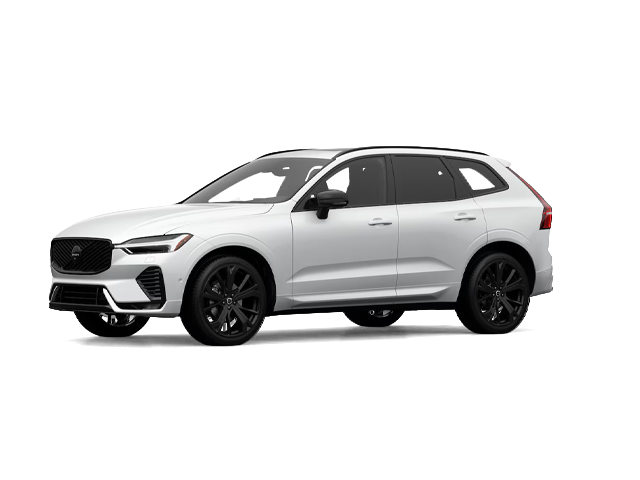
Photo for illustrative purposes only.
Find out moreVolvo Cars Hamilton

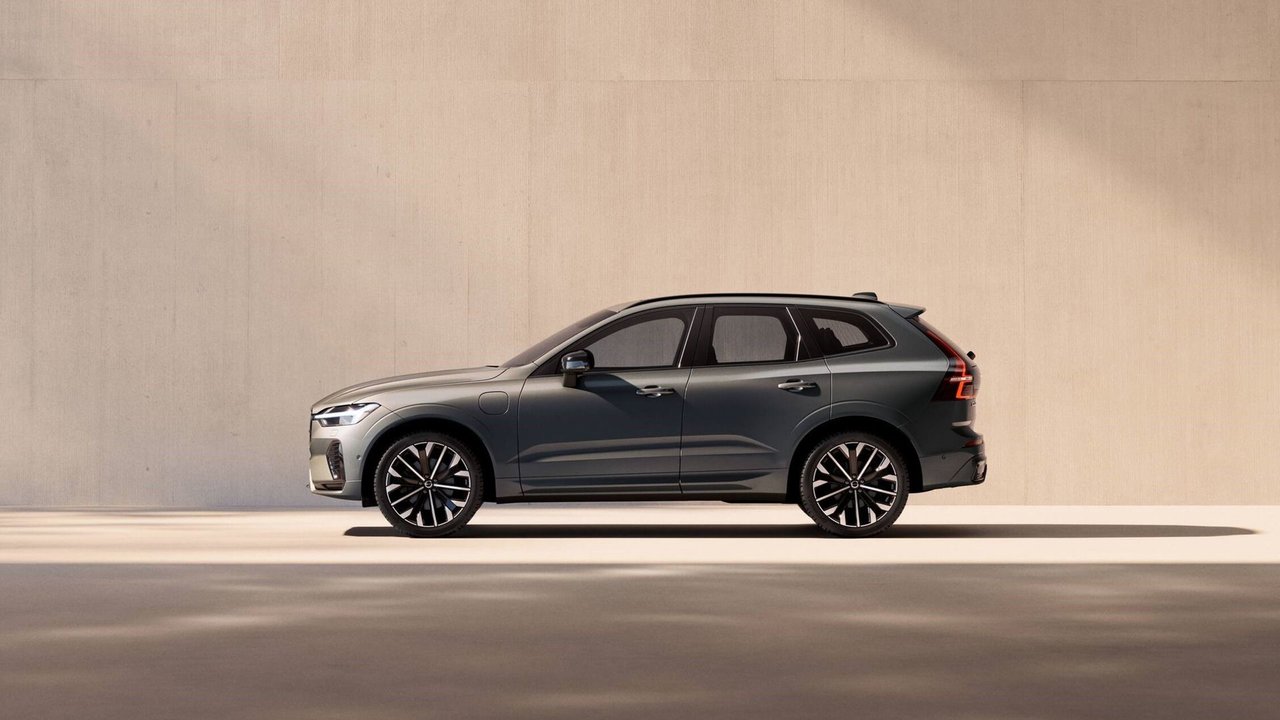
The 2025 Volvo XC60 offers two distinct electrified powertrain approaches. Both deliver all-wheel drive capability and premium features, but they serve different driving patterns and priorities. Understanding the practical differences between the B5 mild hybrid and T8 plug-in hybrid helps Ontario drivers select the configuration that aligns with their specific needs.
This comparison examines how each powertrain operates, the real-world fuel economy implications for typical Hamilton-area driving, and the performance characteristics that separate these two approaches to electrification.
At a Glance: XC60 B5 vs. T8 Specifications
|
Specification |
XC60 B5 AWD |
XC60 T8 Plug-in Hybrid |
|---|---|---|
|
Engine |
2.0 L 4-cylinder turbocharged |
2.0 L 4-cylinder turbocharged with e-boost |
|
Total Power Output |
247 hp |
455 hp (combined) |
|
Torque |
258 lb-ft |
523 lb-ft (combined) |
|
Mild Hybrid System |
48V battery, 13 hp ISG |
Not applicable |
|
Electric Motor |
10 kW (mild hybrid assist) |
107 kW rear axle motor |
|
Electric-Only Range |
Not applicable |
58 km |
|
Fuel Economy (Combined) |
9.0 L/100 km |
8.5 L/100 km (with depleted battery) |
|
Electric Consumption |
Not applicable |
3.5 Le/100 km (combined rating) |
|
Acceleration (0-100 km/h) |
6.9 seconds |
4.8 seconds |
|
Transmission |
8-speed automatic |
8-speed automatic |
Understanding Mild Hybrid Technology: The B5 System
The XC60 B5 uses a 48-volt mild hybrid system that assists the gasoline engine without providing electric-only driving capability. This system includes an Integrated Starter Generator (ISG) that replaces the traditional starter and alternator.
During deceleration and braking, the ISG recovers kinetic energy and stores it in a compact 48V battery. This stored energy then assists the engine during acceleration, reducing fuel consumption and improving throttle response.
The system provides 13 hp of supplemental power during acceleration, helping the turbocharged 2.0-litre engine deliver its 247 hp and 258 lb-ft more efficiently. The electric assist reduces turbo lag, creating smoother power delivery from lower engine speeds.
Stop-start functionality operates seamlessly with the 48V system. The ISG restarts the engine instantly when you release the brake pedal, eliminating the delay and vibration common with conventional starter motors.
B5 Operation in Daily Driving
The mild hybrid system operates transparently. Drivers don't select modes or manage charging. The system automatically manages energy recovery and deployment based on driving conditions.
For Hamilton drivers navigating city traffic along King Street or commuting on the Linc and Red Hill Parkway, the B5 delivers consistent efficiency without requiring behaviour changes. You simply drive normally while the system optimizes fuel consumption in the background.
The B5's simplicity suits drivers who want improved efficiency without adding charging routines to their daily schedule. There are no cables, no charging ports, and no range calculations. The vehicle operates like a traditional gasoline SUV with enhanced fuel economy.
The T8 Plug-in Hybrid System Explained
The XC60 T8 adds a substantially more powerful electric motor and larger battery pack. An 18.8 kWh (nominal) battery provides 14.7 kWh of usable capacity, enabling 58 km of electric-only driving under typical conditions.
A 107 kW (143 hp) electric motor drives the rear axle independently from the front-axle gasoline engine. This creates an electric all-wheel drive system where the two power sources can operate together or independently.
The combined output reaches 455 hp and 523 lb-ft of torque when both power sources work together. This substantial output delivers 0-100 km/h acceleration in 4.8 seconds, providing performance that rivals dedicated sport SUVs.
Electric-Only Commuting Capability
The 58 km electric range covers typical daily driving for many Ontario commuters. Consider these common Hamilton-area distances:
Many drivers complete their daily errands, school runs, and work commutes entirely on electric power. The gasoline engine remains available for longer trips without the range limitations of pure electric vehicles.
T8 Charging Requirements
The T8 accepts Level 1 (120V) and Level 2 (240V) AC charging. Using a standard 120V household outlet, full charging requires approximately 12 hours. A 240V Level 2 charger reduces this to approximately 5 hours at 16A.
Most T8 owners install a Level 2 home charger for overnight charging convenience. This setup enables starting each day with a full battery, maximizing electric driving and minimizing gasoline consumption.
Public charging stations provide additional flexibility during longer trips, though the T8's gasoline backup eliminates the planning requirements of pure electric vehicles.
Performance Comparison: Daily Driving and Highway Travel

Both powertrains deliver confident acceleration suitable for highway merging and passing. The B5's 247 hp provides adequate power for most driving situations, while the T8's 455 hp offers substantially more capability.
The performance difference becomes most noticeable during:
Highway Passing: The T8's instant electric torque combined with gasoline engine power enables quick acceleration for passing slower traffic on Highway 403 or the QEW.
Merging: The T8's power reserves make merging onto busy highways less demanding, particularly when carrying passengers or cargo.
Hill Climbing: The Niagara Escarpment's elevation changes reveal the T8's torque advantage, maintaining speed effortlessly on sustained grades.
Sport Driving: The T8's performance capabilities satisfy drivers who prioritize acceleration and dynamic handling.
The B5 handles these situations competently but requires more deliberate throttle application and advance planning for passing maneuvers.
Fuel Economy Analysis for Hamilton-Area Driving
Real-world fuel economy depends heavily on driving patterns, but we can estimate costs based on typical usage scenarios.
Scenario 1: Urban Commuter (40 km daily, mostly city)
B5 Mild Hybrid:
T8 Plug-in Hybrid (charging daily):
Scenario 2: Mixed Driver (60 km daily, 50% highway)
B5 Mild Hybrid:
T8 Plug-in Hybrid (charging daily):
Scenario 3: Long-Distance Driver (120 km daily, mostly highway)
B5 Mild Hybrid:
T8 Plug-in Hybrid (charging daily):
These scenarios demonstrate the T8's operating cost advantage when charging regularly, even for drivers who exceed the electric range daily.
Interior Features and Technology: What's Different?
Both the B5 and T8 share the same cabin design, materials, and technology features at equivalent trim levels. The 2026 model year introduces a larger 11.2-inch touchscreen with improved processing power, addressing previous concerns about system responsiveness.
Google built-in comes standard on both models, providing Google Maps navigation, Google Assistant voice control, and access to Google Play apps without phone connection.
Available equipment includes:
The main interior difference relates to cargo space. The T8's battery pack location reduces maximum cargo capacity slightly:
This 15-litre difference rarely impacts practical use, as both configurations provide ample space for groceries, luggage, or sporting equipment.
Which Configuration Suits Your Driving?
Choose the XC60 B5 Mild Hybrid if you:
Choose the XC60 T8 Plug-in Hybrid if you:
The T8's higher initial cost gets offset by lower operating expenses for drivers who charge regularly and complete significant portions of their driving electrically.
Experience Both XC60 Powertrains at Volvo Cars Hamilton
The choice between XC60 B5 and T8 powertrains depends on your specific driving patterns and priorities. Both deliver Volvo's safety features, premium interior quality, and refined driving character in different ways.
Book your test drive today at our Hamilton dealership to experience how each powertrain performs and determine which configuration best matches your needs.
Photo for illustrative purposes only.
Find out more
How to Prepare Your Volvo for Fall and Winter
Cooler mornings and shorter days are the first signs that driving conditions are about to change. A little preparation in the fall makes for calm,...
Read more
How to Choose Between the 2026 Volvo XC60 Plug-In Hybrid and the 2027 Volvo EX60
Volvo builds two mid-size SUVs that let you drive on electricity, and each one does it in its own way. The 2026 XC60 T8 plug-in hybrid pairs a gas...
Read more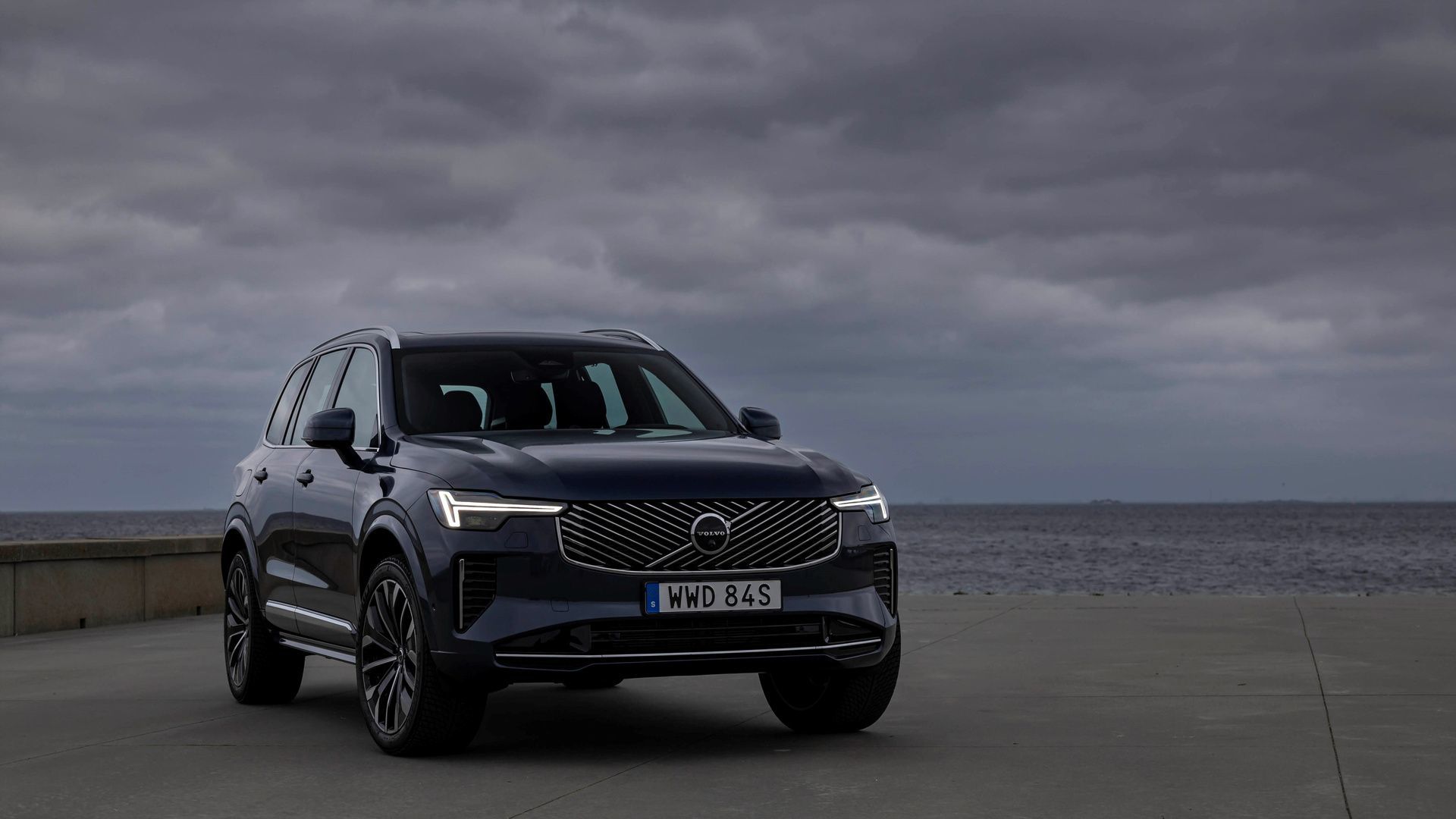
How 2027 Volvo Vehicles Help Prevent and Mitigate Collisions with Large Animals
A deer at the edge of the road at dusk. A moose standing in the middle of a dark highway. Most Canadian drivers have had a close call like this, or...
Read morePowered and developed by
