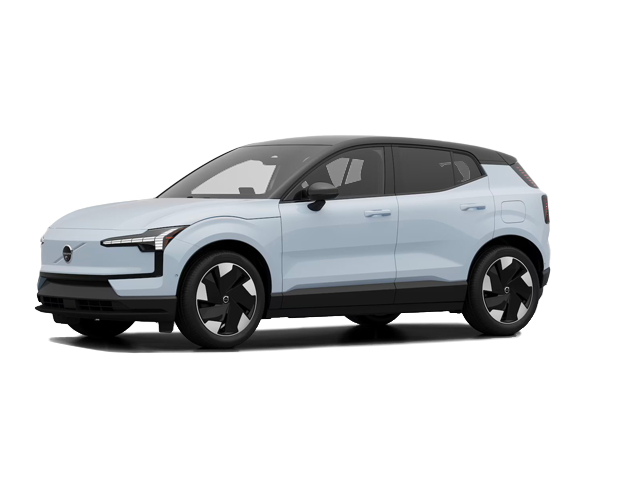
Photo for illustrative purposes only.
Find out moreVolvo Cars Hamilton

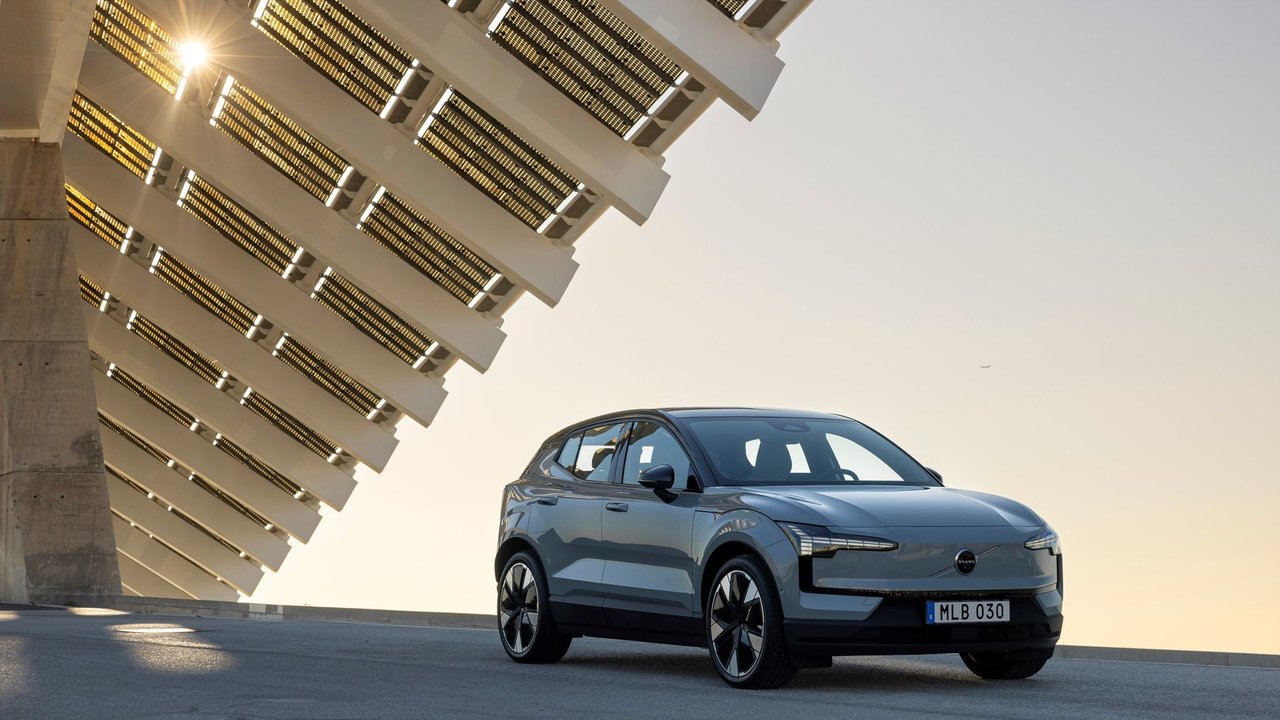
Sustainability claims are easy to print on a brochure and harder to back up with actual numbers. The Volvo EX30 is one of the few vehicles in its class where the materials story holds up to a closer look, from the metal in its body to the fabric on its seats.
For eco-conscious buyers in Hamilton comparing small electric SUVs, it's worth understanding exactly where these materials show up and what they add up to, rather than taking the sustainability label at face value.
Where the Recycled Content Actually Goes
Aluminum and steel are two of the largest contributors to a vehicle's production-related emissions, which is why Volvo focused on both when engineering the EX30.
What's Inside the Cabin
The materials story continues once you're sitting inside the car. Volvo uses a mix of recycled and renewable materials across the seats, dashboard, and door panels.
How the Numbers Add Up
Volvo tracks the EX30's environmental impact in two ways: the emissions created before the car ever reaches a dealer, and its footprint over a full driving lifecycle.
Volvo also uses blockchain technology to trace critical battery raw materials, including lithium, manganese, cobalt, graphite, and nickel, back through the supply chain — a detail that matters for buyers who want to know where the materials in their battery pack actually came from.
The Manufacturing Side of the Equation

Materials are only part of the picture. How and where a car is built also affects its overall footprint, and Volvo applied the same scrutiny to its EX30 production process as it did to the materials list.
Taken together, these choices mean the EX30's environmental story doesn't stop at the materials themselves — it extends into how efficiently those materials are turned into a finished vehicle in the first place.
At a Glance
|
Material or Process |
Detail |
|---|---|
|
Recycled aluminum |
About 25% of aluminum content |
|
Recycled steel |
About 17% of steel content |
|
Recycled plastics |
About 17% of all plastics used |
|
Interior fibres |
Denim, flax, and wool-blend with ~70% recycled polyester |
|
Cradle-to-gate CO2 |
Estimated 18 tonnes |
|
Lifecycle footprint (200,000 km) |
Below 30 tonnes |
|
End-of-life recovery rate |
95% |
Learn More at Volvo Cars Hamilton
Numbers on a spec sheet only tell part of the story until you've seen the materials in person. Visit our team right here in Hamilton to sit inside the EX30 and get a closer look at where these materials show up throughout the cabin.
Photo for illustrative purposes only.
Find out more
How to Prepare Your Volvo for Fall and Winter
Cooler mornings and shorter days are the first signs that driving conditions are about to change. A little preparation in the fall makes for calm,...
Read more
How to Choose Between the 2026 Volvo XC60 Plug-In Hybrid and the 2027 Volvo EX60
Volvo builds two mid-size SUVs that let you drive on electricity, and each one does it in its own way. The 2026 XC60 T8 plug-in hybrid pairs a gas...
Read more
How 2027 Volvo Vehicles Help Prevent and Mitigate Collisions with Large Animals
A deer at the edge of the road at dusk. A moose standing in the middle of a dark highway. Most Canadian drivers have had a close call like this, or...
Read morePowered and developed by
